
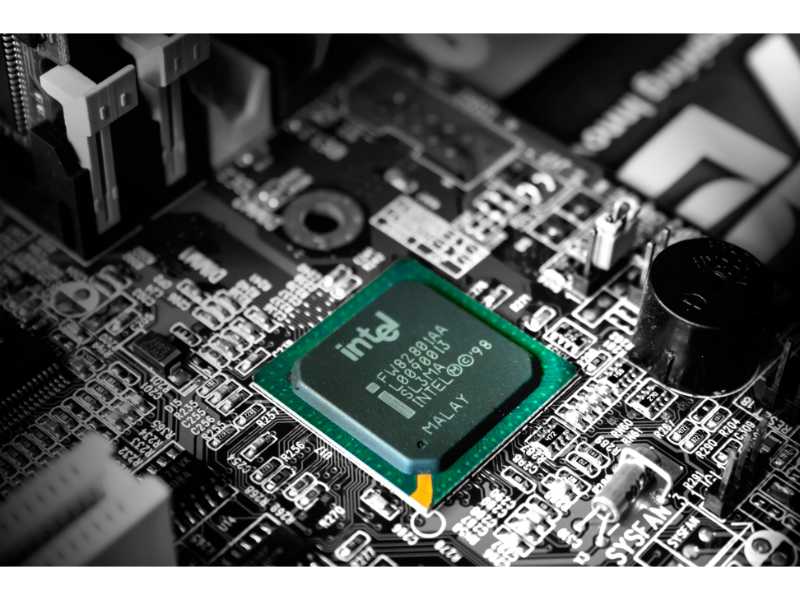
- Intel expect 8% drop in Q3 revenue to US$13.02 billion.
- intel’s revenue decline call for strategic innovation to recapture market share.
What happened
Intel set to announce a 8% drop in third quarter revenue to US$13.02 billion, according to LSEG data as of October 26, investors want Gelsinger to be clear about his plans to implement the company’s latest production technologies. A catastrophic quarterly report in August cast doubt on Gelsinger’s approach to resuscitate the faltering chipmaker.
Intel is anticipated to disclose its largest quarterly revenue loss in five quarters, potentially indicating further erosion of the once-iconic American chipmaker’s data center and personal computer market share.
Shareholders have turned their attention to CEO Pat Gelsinger’s efforts to reclaim the company’s lost market lead as losses mount at its contract manufacturing business, while Intel fails to capitalise on the generative AI-driven chip boom after a series of missteps, including passing up an investment in OpenAI.
Also read:Startup Lightmatter raises $400m advancing revolutionary photonic AI chips
Also read:The U.S. extends 25% of CHIPS Act tax breaks to wafer and solar panel factories
Why it’s important
Intel’s Q3 revenue drop underscores its struggle to stay competitive in an evolving chipmaking market. This decline reflects rising competition from companies like AMD, NVIDIA, and TSMC, which have gained traction in key areas such as AI, data centers, and graphics processing. Intel’s delayed shift to advanced manufacturing processes and recent supply chain issues have further strained its position.
The revenue decline signals Intel’s need for strategic innovation to recapture market share. To address this, Intel has increased investment in R&D and ramped up efforts in producing advanced chips. However, these strategies will take time to impact revenue meaningfully.
As tech giants and industries demand faster, energy-efficient chips, Intel’s ability to keep pace with these innovations is critical. This revenue drop serves as a reminder that Intel must prioritize agility and focus on emerging markets. Intel’s future position in the chipmaking industry hinges on its success in adapting to these technological shifts.