
Institution Profiling / Internet infrastructure institution

How to prevent RFID from being duplicated?

How to prevent RFID from being duplicated? is tracked as a internet infrastructure institution within the internet infrastructure ecosystem.

How to prevent RFID from being duplicated?
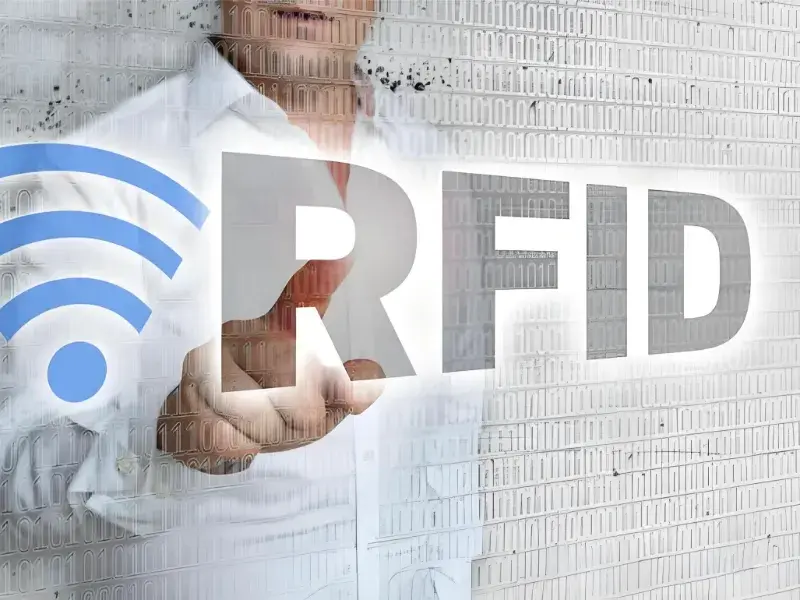
Caption: How to prevent RFID from being duplicated? visual context for BTW intelligence coverage. · Source context: Existing article media was retained or restored as the subject-specific visual basis. · Relevance reason: How to prevent RFID from being duplicated? is the primary subject or event subject; the image supports the article's market reading. · Image provenance: Existing curated article image retained because it is subject- or event-specific and not a generic pool placeholder.

Sources

Public references used for this article.

External references will appear here after editorial citation review.

CategoryInstitution

How to prevent RFID from being duplicated? is tracked as a internet infrastructure institution within the internet infrastructure ecosystem.

RegionGlobal

How to prevent RFID from being duplicated? has public-source relevance to network operations, governance, dependency mapping, or market structure.

Signal FocusInternet infrastructure institution

How to prevent RFID from being duplicated? has public-source relevance to network operations, governance, dependency mapping, or market structure.

Content TypeProfile

How to prevent RFID from being duplicated? is tracked as a internet infrastructure institution within the internet infrastructure ecosystem.

Primary DomainSecurity

Public-source signals support medium-impact monitoring for infrastructure visibility and dependency analysis.

TopicInternet infrastructure institution

How to prevent RFID from being duplicated? is profiled by BTW Media because published evidence links it to internet infrastructure, governance, operational dependencies, or market visibility.

ImpactMedium

Public-source signals support medium-impact monitoring for infrastructure visibility and dependency analysis.

Confidence?Confidence Grade
0.90–1.00AHigh — direct sources
0.75–0.89A/BStrong
0.55–0.74B/CMedium
0.35–0.54C/DWeak–medium
0.10–0.34DWeak signal
0.00–0.09DInternal monitoring
Limited confidence (82%)

Several public sources

How to prevent RFID from being duplicated? is profiled by BTW Media because published evidence links it to internet infrastructure, governance, operational dependencies, or market visibility.

  • RFID tags can be copied or cloned using various methods, which poses security risks in certain applications.
  • Use robust authentication mechanisms such as cryptographic protocols and secure encryption algorithms to protect RFID tag data.

Radio-frequency identification (RFID) technology has become ubiquitous in modern society, facilitating efficient tracking, inventory management, and contactless transactions. At the meantime, the question of whether RFID tags can be replicated raises important concerns about security, privacy, and potential misuse. This blog explores RFID’s susceptibility to replication, methods of copying and consequences of replication.

What is radio-frequency identification (RFID)

RFID is a technology that uses electromagnetic fields to automatically identify and track tags attached to objects. These tags contain electronically stored information that can be read from a distance using an RFID reader or scanner. The technology operates through radio waves, allowing for non-contact identification and data transfer.

Also read: The purpose of data encryption: The guardian of digital privacy

Can RFID be duplicated

RFID tags can be copied or cloned using various methods, which poses security risks in certain applications. The ability to replicate RFID tags stems from several factors.

Weak Authentication: Some RFID systems use weak or outdated authentication protocols, making it easier for unauthorised parties to intercept and clone tag information.

Vulnerabilities in Encryption: If RFID tags and systems use inadequate encryption methods or lack encryption altogether, tag data can be intercepted and duplicated.

When someone wants to copy RFID, it usually does. First, he intercepts the communication between the RFID tag and the reader to capture the tag’s unique identifier (UID), or data. A copy of the RFID tag’s electronic component is then created to simulate its function and data transmission, and a forged signal is sent to the RFID reader to simulate the UID or data of the legitimate tag. They also brute-force attacks, attempting multiple authentication attempts until they successfully copy or guess the tag’s authentication credentials.

Also read: CIS embraces post-WRC-23 spectrum and orbital regulation

Possible consequences of RFID duplication

The replication of RFID tags can have significant consequences depending on the context and application.

In retail and supply chain management, counterfeiters can clone RFID tags to create and distribute counterfeit products, undermining brand integrity and revenue. Replicated RFID tags can be used to gain unauthorised access to secure areas, bypass authentication measures, or conduct fraudulent transactions.

Cloned RFID tags may compromise personal data privacy if used in access control systems, transportation systems, or healthcare applications.

Methods to reduce the risk of RFID being copied

1. Strong authentication: Use robust authentication mechanisms such as cryptographic protocols and secure encryption algorithms to protect RFID tag data.

2. Unique identifiers: Ensure that each RFID tag has a unique identifier that is difficult to predict or replicate.

3. Regular audits: Conduct regular security audits and vulnerability assessments of RFID systems to identify and address potential weaknesses.

4. Physical security: Protect RFID tags from unauthorised access by implementing physical security measures and tamper-evident features.

At A Glance

  • Name: How to prevent RFID from being duplicated?
  • Type: Internet infrastructure institution
  • Base: Global
  • Profile focus: Institution

What It Does

  • Public records support monitoring of its role, services, and key relationships.

Why It Matters

  • Public-source signals support medium-impact monitoring for infrastructure visibility and dependency analysis.
  • Operational criticality: Medium
  • Time horizon: Next quarter

What To Watch

  • Monitoring focuses on verified service continuity, governance changes, and relationship signals.
NowMedium priority

Track verified source updates, role changes, and current public evidence.

QuarterMedium policy sensitivity

Public-source signals support medium-impact monitoring for infrastructure visibility and dependency analysis.

YearNext quarter outlook

Longer-term relevance depends on verified operating, policy, and relationship changes.

Member Briefing

Deeper Profile Context

Login is required to unlock the full profile briefing and source notes.

Only for Strategy Circle

Strategic Circle Access

Open to all readers. Unlock profile briefings after joining and logging in.

Join Strategic Circle

Only for Leadership Alliance

Leadership Alliance Access

For owners and management of IP-holding companies. Login required to unlock.

Join Leadership Alliance
← BackAll Companies