
Cross-jurisdiction governance and policy interface.

Governance / ICANN
ICANN Intelligence Briefing Profile
Coverage of ICANN policy decisions, domain name governance, WHOIS/RDAP developments, and DNS ecosystem changes.
GlobalDNS GovernanceAccountability
Institution design, policy process, and accountability trust.
Multi-stakeholder legitimacy and process clarity.
Structural policy changes usually materialize in 120d+ cycles.
Member Unlock
Restricted Profile Intelligence
Login is required to unlock full profile briefings and deep-dive sections.
Strategic Circle Access
Open to all readers. Unlock profile briefings after joining and logging in.
Join Strategic CircleLeadership Alliance Access
For owners and management of IP-holding companies. Login required to unlock.
Join Leadership AllianceBasic Profile
- Entity: Internet Corporation for Assigned Names and Numbers
- Role: Global DNS and identifier coordination body
- Core Function: Policy and operational coordination framework
- Model: Multi-stakeholder governance process
Strategic Functions
- Root zone and naming system governance oversight
- Policy forums across multiple stakeholder constituencies
- Accountability review and institutional process controls
- Cross-community consensus and implementation coordination
Current Risk Briefing
- Process complexity can dilute operational clarity
- Stakeholder asymmetry may shift decision influence
- Slow reform cycles can reduce response to market pace
- Governance opacity can weaken coordination confidence
Decision Use
- Incorporate DNS governance timing into risk planning
- Track process transparency for trust and compliance posture
- Map policy trajectory to infrastructure investment windows
- Use governance indicators to stress-test continuity scenarios
Latest Coverage
ICANN Headlines
Mauritius politics and AFRINIC crisis challenge ICANN
Mauritius politics shapes AFRINIC crisis, raising questions over ICANN’s role and Africa’s internet governance future.
AFRINIC elections and Mauritius constitution: Law vs governance
AFRINIC’s election rules, shaped by Mauritius’ constitution, spark repeated disputes and question governance legitimacy.
How AFRINIC’s electoral future relies on stronger constitutional safeguards
AFRINIC’s June and September 2025 election failures highlight the urgent need for stronger constitutional safeguards.
Archive
ICANN Article Archive
766 articles
Governance
Mauritius politics and AFRINIC crisis challenge ICANN
Mauritius politics shapes AFRINIC crisis, raising questions over ICANN’s role and Africa’s internet governance future.

Governance
AFRINIC elections and Mauritius constitution: Law vs governance
AFRINIC’s election rules, shaped by Mauritius’ constitution, spark repeated disputes and question governance legitimacy.
Governance
How AFRINIC’s electoral future relies on stronger constitutional safeguards
AFRINIC’s June and September 2025 election failures highlight the urgent need for stronger constitutional safeguards.

Governance
AFRINIC elections and the consequences of weak legal remedies in Mauritius
Mauritius’ AFRINIC election annulment shows how weak legal safeguards invite state capture and foreign interference.

Governance
AFRINIC elections and policy development
AFRINIC’s policy process suffers as election legitimacy fails; procedural reform is essential for progress.

Governance
How AFRINIC board elections affect IPv4 and IPv6 allocation in Africa
The governance crisis at AFRINIC is directly impacting IP resource management in Africa, with implications for IPv4 and IPv6 allocation.
Governance
AFRINIC’s elections in global perspective
AFRINIC’s election disputes highlight the need for clear processes to maintain Africa’s internet governance credibility.
Governance
How AFRINIC can rebuild confidence after election dispute
AFRINIC must follow law, recognise June election, and resist government interference to regain African community trust.
Governance
Why AFRINIC’s election security needs stronger legal guarantees in Mauritius
Mauritius annulled AFRINIC’s June vote and staged a September rerun, a process which is lacking legal legitimacy.

Governance
Decentralization vs. centralization in AFRINIC’s electoral model
AFRINIC’s electoral crisis shows how decentralised member control can be undermined by unconstitutional state interference.
Governance
Could AFRINIC elections be challenged under international arbitration law?
AFRINIC’s disputed elections face international arbitration challenges, raising questions on governance, legitimacy, and regional autonomy.
Governance
Startups and AFRINIC elections: Africa’s digital future
Structural barriers keep African startups from voting in AFRINIC elections, weakening representation and leaving governance to legacy actors.
Governance
The hidden cost of AFRINIC elections: Who pays for governance?
AFRINIC’s 2025 elections reveal hidden costs of governance, including legal disputes, procedural delays, and financial burdens.
Governance
How AFRINIC elections affect cloud and CDN providers in Africa
AFRINIC’s governance crisis impacts cloud services and CDN providers in Africa, urgently requiring reform to restore trust.
Governance
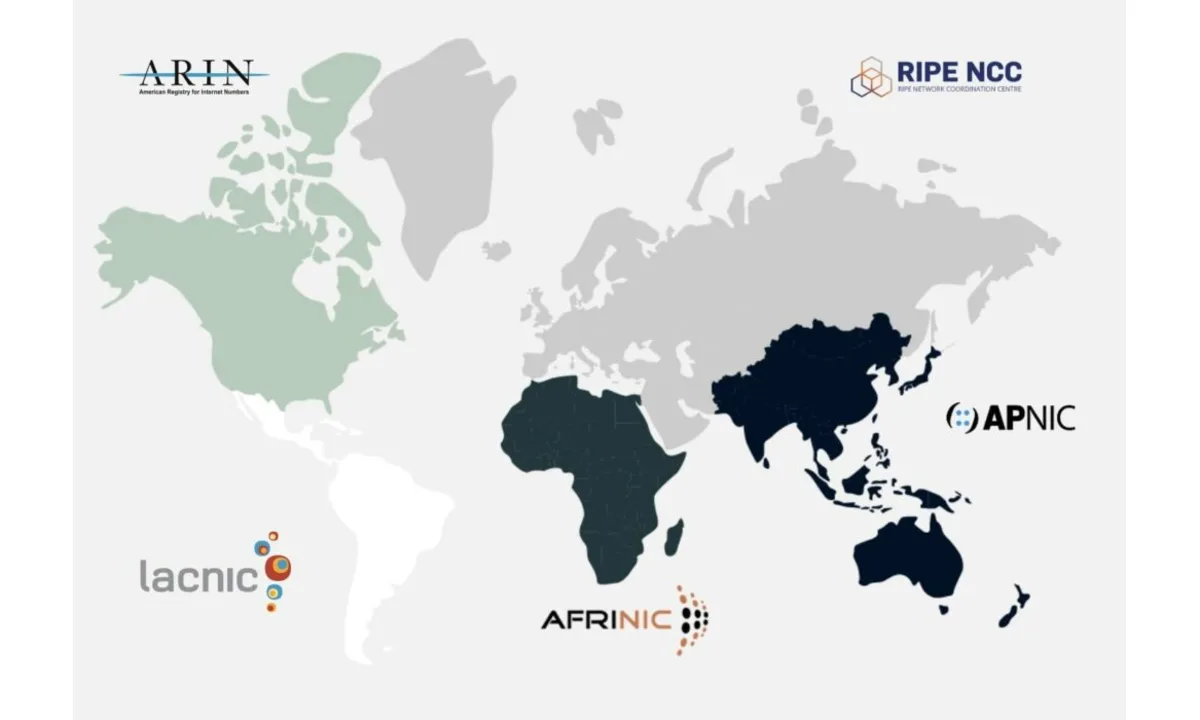
How AFRINIC can learn from RIPE and ARIN election systems
AFRINIC’s 2025 board election is annulled after one disputed proxy vote causes cancellation of all ballots.
Governance
AFRINIC governance under Mauritius law
Mauritian law and court interventions shape AFRINIC governance, raising concerns over autonomy, accountability and member influence.
Governance
The role of civil society in AFRINIC elections
Civil society voices warn AFRINIC’s flawed elections undermine democracy, transparency and community-led internet governance in Africa.
Governance
From ballot disputes to global trust: AFRINIC at a crossroads
AFRINIC election disputes and ICANN transparency demands seriously threaten Africa’s overall internet governance credibility.
Governance
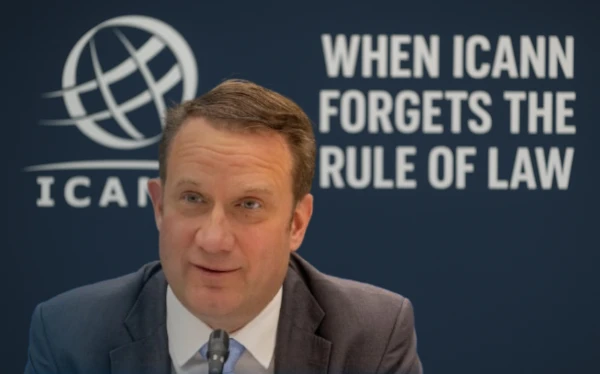
When ICANN forgets the law: How CEO Kurtis Lindqvist is undermining AFRINIC and Mauritius’ constitution
ICANN CEO Kurtis Lindqvist undermines Mauritius’ courts and AFRINIC’s bylaws, threatening Africa’s internet sovereignty through overreach.
Governance
The role of AFRINIC members in shaping election outcomes: Power and participation
AFRINIC members have formal powers in governance, but their votes are hollowed out when political actors can annul outcomes.