
Topic
Regional ISP Economics
Within the Topic facet, Regional ISP Economics topic intelligence connects articles that share a specific subject, signal focus, or monitoring theme. The page gives readers a richer path through related reporting, source evidence, market actors, and infrastructure implications, with enough context to understand why the topic matters across company movements, governance decisions, regional exposure, and operational risk. Readers can compare recurring signals, affected organisations, public evidence, market context, service continuity, procurement, competition, compliance, and strategic planning questions behind the subject instead of stopping at a thin list of matching articles. It explains what the topic covers, which infrastructure actors or policies are involved, what evidence supports the coverage, and why the subject may matter for operators, customers, investors, and policy readers.

Europe and Middle East Regional ISP
Vilna Ukraina Must Make River Mall's Reach Pay for Resilience
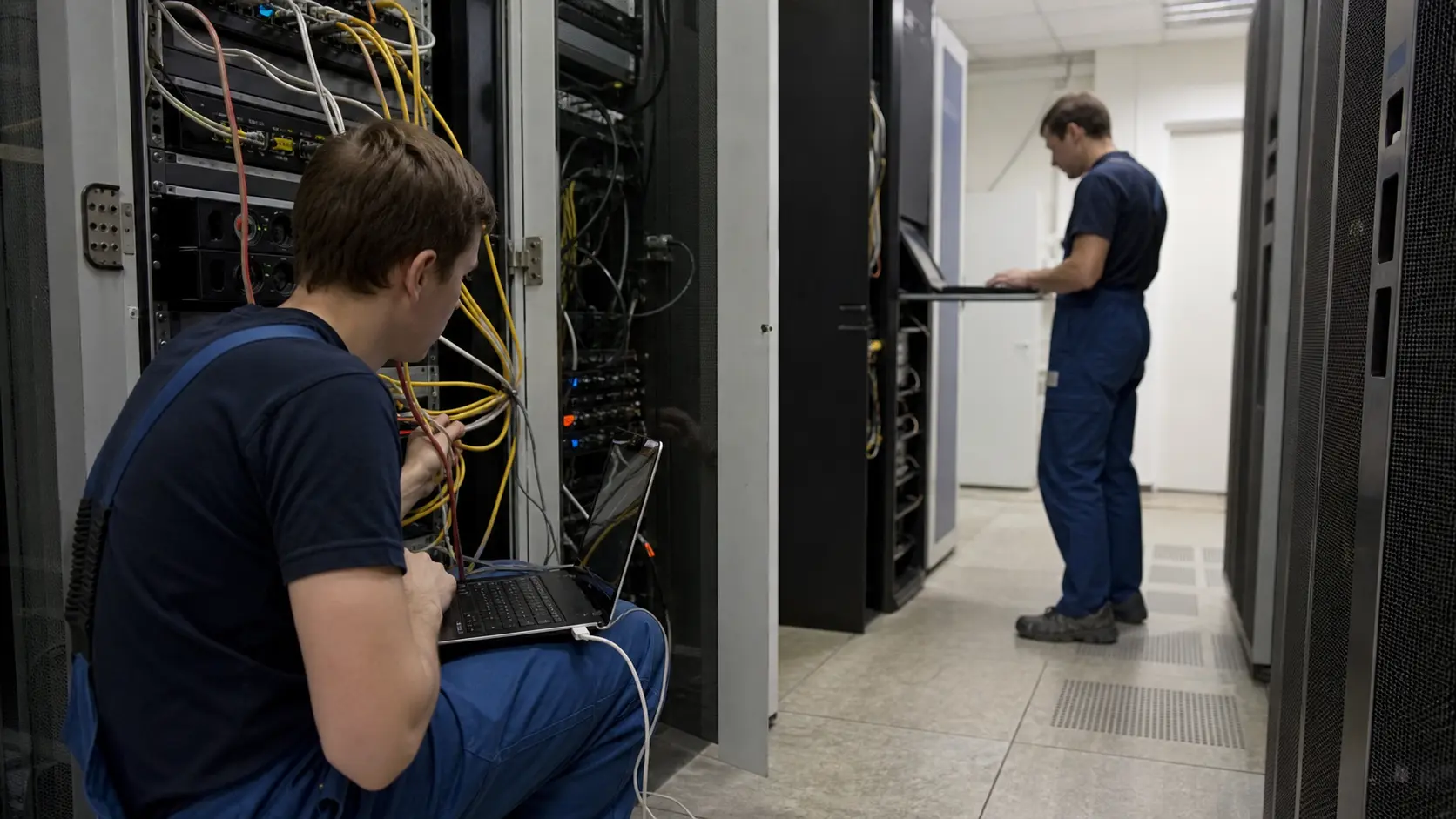
River Mall can charge tenants, shoppers and promotion partners only if the destination remains reachable, powered and commercially alive. The company's small autonomous network footprint is useful, but the investment case still turns on whether mall revenue can cover power…
Europe and Middle East Regional ISP
Informatsionnye Tekhnologii must turn local network control into accountable service revenue
The economic incentive is straightforward: a local network operator can earn defensible recurring revenue only if its control of routes, wires, support, billing and building-level services is tight enough that households and small businesses keep paying despite cheaper national…

Europe and Middle East Regional ISP
Infoservice must make local support density pay for network operations
Infoservice Ltd. is not trying to win Russia's internet market by scale. Its economic incentive is narrower and more testable: turn a concentrated office-tenant base into recurring connectivity and telephony revenue, while pushing enough outage, installation and support risk onto…

Europe and Middle East Regional ISP
Infotelecom SP must price business connectivity above service complexity
One business connection in Sergiev Posad looks small until the invoice is asked to carry upstream bandwidth, a field visit, address space, support calls, payment friction, regulated storage, cable-TV noise and the replacement cost of network equipment. Infotelecom SP Ltd. has…

Europe and Middle East Regional ISP
INETCOM Carrier and the margin test behind borrowed reach
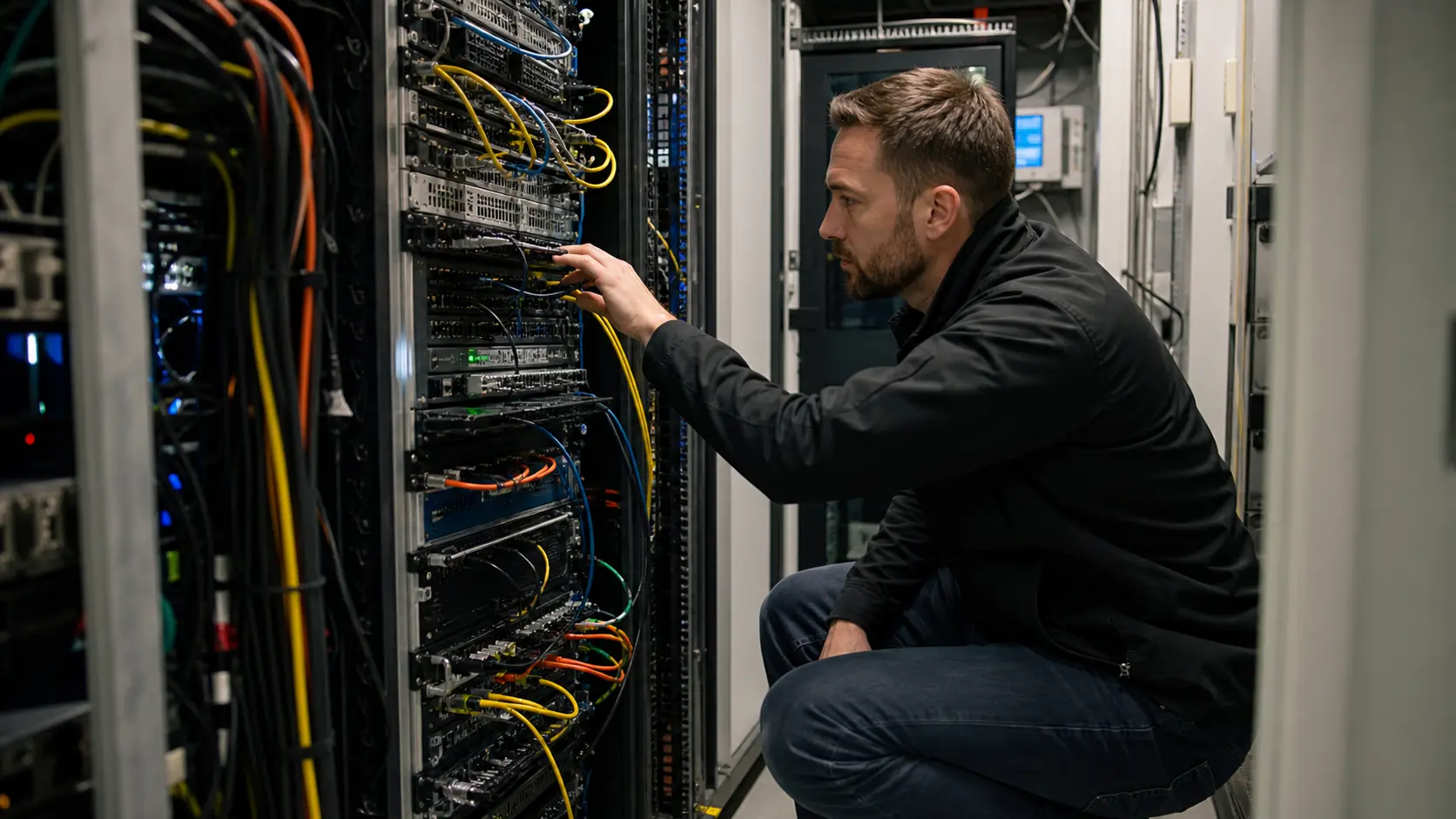
A wholesale buyer pays INETCOM CARRIER LLC for a practical promise: reach, routes, local support and enough accountability to avoid building the same backbone and interconnection position itself. The judgment is that Inetcom's network evidence is real, but its durable margin is…
Europe and Middle East Regional ISP
Information and Communication Technologies and the Cash-Flow Test Behind Infolink's Local Reach
Information and Communication Technologies LLC makes money only when local households, builders, public buyers and small businesses believe Infolink can keep a connection working better than the alternatives available at a specific address. The evidence points to a real regional…

Europe and Middle East Regional ISP
Information and Computing Center must make legacy infrastructure earn its renewal
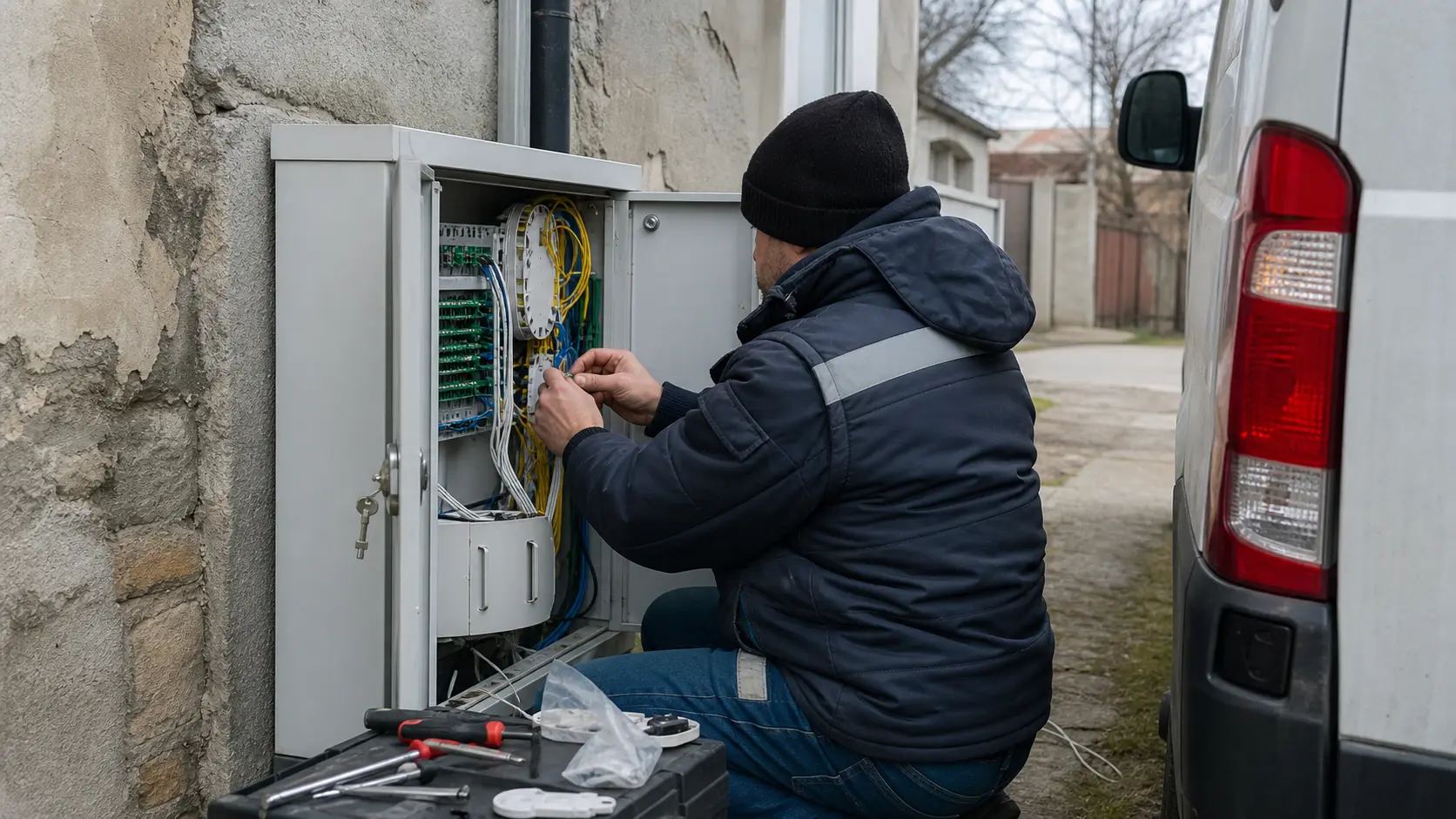
Information & Computing Center, Ltd. still has the thing a local telecom operator needs most: customers who need service in awkward places, on familiar terms, with someone nearby to call. The problem is that the same local infrastructure now has to finance its own renewal, and…
Europe and Middle East Regional ISP
Inovare-Prim SRL Must Make Local Network Density Pay
A Moldovan hosting and business-connectivity operator can look small on paper while carrying a surprisingly real fixed-cost machine: fibre, upstreams, exchange ports, racks, generators, address space, support shifts and abuse queues. The question for Inovare-Prim SRL is whether…

Europe and Middle East Regional ISP
InterkamService must make remote network maintenance pay
A household in northern Kamchatka is not only buying megabits. It is buying the chance that a repair crew, a spare part, an upstream route, a payment desk, and a local phone number still exist when weather, distance, and thin demand make ordinary broadband economics look…

Europe and Middle East Regional ISP
INTERNATIONAL OLISAT must make satellite reach beat terrestrial substitution
A customer who pays for connectivity where ordinary access fails is not really buying megabits. The customer is buying a solved absence: a farm office beyond practical fibre, a small industrial site where a mobile router fades at the wrong hour, a village customer who needs…

Europe and Middle East Regional ISP
intersat Ltd. has to sell certainty, not satellite romance
A remote buyer does not purchase bandwidth as an abstraction. A quarry office, a municipal camera room, a small factory outside a dense apartment block, or a shop at the edge of a mining town buys one thing first: the confidence that when the wired alternatives fail, someone…
Leaders
Anurag Bhatia and the INNOG Routing-Security Record Behind India's Operator Community
Anurag Bhatia's public record is useful because it ties one named operator-community entity to routing tooling, IXPs, IPv6, DNS, anycast measurement, India backhaul analysis, and SANOG participation. This profile stays inside that public record. It does not turn Hurricane…
Leaders
Freddy Hernan Lopez Florentin, InterMAX and the Trademark-to-Routing Record Behind AS272970
Freddy Hernan Lopez Florentin, InterMAX and the Trademark-to-Routing Record Behind AS272970 intelligence summary explains the development, the public evidence available to readers, the organisations involved, the regional context, market exposure, and the infrastructure…
Leaders
Jorge Fernando Cruz Trevino and the AS273293 Inactive-Routing Record
Jorge Fernando Cruz Trevino and the AS273293 Inactive-Routing Record intelligence summary explains the development, the public evidence available to readers, the organisations involved, the regional context, market exposure, and the infrastructure consequences that may follow.…
Leaders
Natalia Chareeva and the Public Record Around AS265595
Natalia Chareeva and the Public Record Around AS265595 intelligence summary explains the development, the public evidence available to readers, the organisations involved, the regional context, market exposure, and the infrastructure consequences that may follow. The Leaders…
Leaders
Dahmer Mariano Roberto Adriano, TES TELECOM and the AS273063 Public-Record Chain in Paraguay
By Sofia Ren

Europe and Middle East Regional ISP
IP Connection Must Make Address Scarcity Pay for Local Service
One business connectivity bill has to carry more than bandwidth. It has to pay for scarce address capacity, upstream access, installation, support labour, renewal work, route control, abuse handling and the risk that a national carrier can replace the service with a cheaper…

Europe and Middle East Regional ISP
Ivanteevskie telecommunicacii Must Make the Apartment Block Pay
A local access network in Ivanteevka is not a software story. It is a stairwell, a cable run, a support phone, a few upstream choices and a monthly bill that must survive national bundles. Ivanteevskie telecommunicacii Ltd has the evidence of a real local operator; the harder…
Leaders
Gualberto Mis Caamal, the IFT Concession Record and the Network Evidence Around AS270145
Gualberto Mis Caamal's public record connects a 2019 telecommunications application in Quintana Roo with a later state-directory listing, an autonomous-system registration and recent routing visibility. Read carefully, that sequence describes formal permissions and a technically…
Leaders
Jose Guadalupe Candelas Ortiz, the IFT Authorization and AS272377's Public Network Record
Jose Guadalupe Candelas Ortiz, the IFT Authorization and AS272377's Public Network Record intelligence summary explains the development, the public evidence available to readers, the organisations involved, the regional context, market exposure, and the infrastructure…