
- The primary semiconductor materials include silicon, gallium arsenide, germanium, and silicon carbide, each with unique properties suited for different applications.
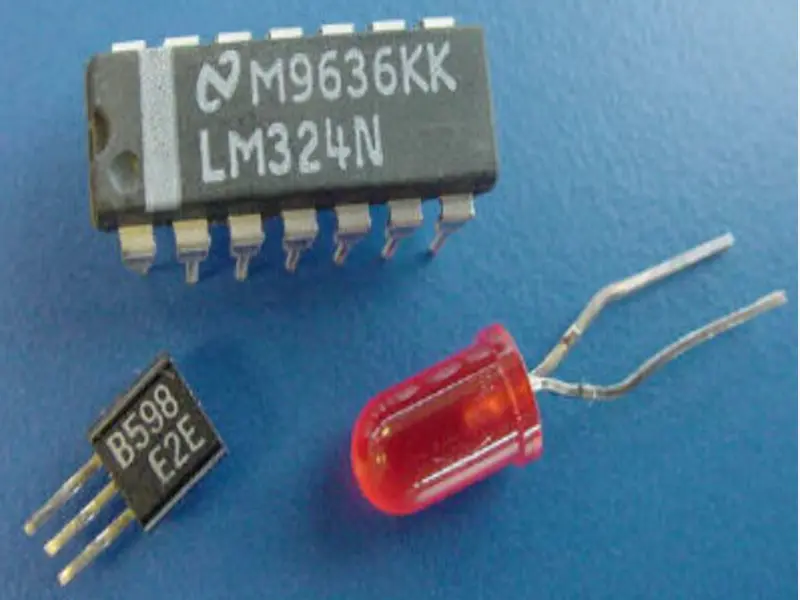
- Semiconductor materials are crucial in the manufacture of electronic components such as transistors, diodes, and integrated circuits, enabling modern technology.
- Research is ongoing into new semiconductor materials, including organic semiconductors and 2D materials like graphene, which could lead to innovations in electronics.
Semiconductor materials form the backbone of modern electronics, playing a vital role in the functioning of devices we use daily—from smartphones to computers and renewable energy systems.
The demand for efficient and versatile semiconductor materials continues to grow, driving innovation and research in this critical field. In this blog, we will explore the various types of semiconductor materials, their significance in electronic devices, and the future trends that may shape the industry.
Definition of semiconductor materials
Semiconductor materials are substances that have electrical conductivity between that of conductors (like metals) and insulators (like glass). This unique property allows them to control electrical current, making them essential for a wide range of electronic applications. The most common semiconductor material is silicon, but others like gallium arsenide and germanium also play significant roles in specific applications.
Also read: The composition and importance of semiconductors
Also read: Black Myth: Wukong leads the trend of semiconductor chip industry
Types of semiconductor materials
Silicon (Si): Silicon is the most widely used semiconductor material, accounting for about 95% of the semiconductor industry. Its abundance, cost-effectiveness, and excellent electrical properties make it ideal for use in various electronic components, including microprocessors and solar cells.
Gallium Arsenide (GaAs): Gallium arsenide is known for its superior electron mobility compared to silicon, making it an excellent choice for high-frequency applications, such as radio frequency (RF) components and optoelectronic devices like LEDs and laser diodes.
Germanium (Ge): Once the dominant semiconductor material, germanium has been largely replaced by silicon due to cost and availability issues. However, it is still used in certain applications, including fiber optics and infrared optics, because of its high-speed capabilities.
Silicon Carbide (SiC): Silicon carbide is gaining popularity in power electronics due to its ability to withstand higher temperatures and voltages than silicon. This makes it particularly useful in electric vehicles and renewable energy applications.
Organic semiconductors: These materials, based on carbon compounds, are being researched for applications in flexible electronics, OLED displays, and solar cells. Their lightweight and adaptable nature opens up possibilities for innovative designs and functionalities.
Two-dimensional materials (e.g., Graphene): Emerging materials like graphene and transition metal dichalcogenides are generating excitement in the semiconductor community. They boast exceptional electrical, thermal, and mechanical properties that could revolutionise electronics, leading to faster and more efficient devices.
Importance of semiconductors in electronics
Semiconductor materials are foundational to the operation of nearly all electronic devices. They enable the function of critical components such as transistors, which serve as switches or amplifiers in all kinds of electronic circuits. Diodes, another essential semiconductor component, allow current to flow in one direction only, providing rectification in power supplies. Integrated circuits, which combine millions of transistors on a single chip, are at the heart of modern computing, making possible everything from smartphones to supercomputers.
The versatility of semiconductor materials allows manufacturers to create increasingly compact and powerful devices, meeting the relentless demand for faster processing speeds and lower power consumption. As technology progresses, the need for improved semiconductor performance drives ongoing research into novel materials and fabrication techniques.
Emerging trends in semiconductor materials
As the electronics landscape evolves, so does the focus on developing new semiconductor materials. With the rise of the Internet of Things, artificial intelligence, and renewable energy technologies, the requirements for semiconductor performance are more demanding than ever. Research is ongoing into materials that can operate efficiently under extreme conditions, such as high temperatures and radiation, which are necessary for space applications and advanced computing.
Advancements in materials science are paving the way for heterojunction devices—combinations of different semiconductor materials that optimise performance for specific tasks. The integration of organic semiconductors and 2D materials into traditional semiconductor technology holds promise for creating next-generation electronic devices that are lighter, more flexible, and more efficient.