
- China leading the global EV market competition in sales and battery production.
The growth of Electric Vehicles
As countries strive to meet ambitious climate goals and reduce greenhouse gas emissions, the demand for EVs has surged, leading to a competitive landscape among automakers, tech companies, and governments. Here’s a timeline highlighting key milestones in the growth of the electric vehicle (EV) market:
1830s-1900s: Early Beginnings
- 1830s: The first electric vehicles are developed, with small-scale prototypes created by inventors like Robert Anderson and Gustave Trouvé.
- 1890s: Electric cars gain popularity, especially in urban areas, with the introduction of the Baker Electric and other models.
1900s-1920s: Decline of EVs
- 1910s: Electric vehicles peak in popularity, making up about one-third of all cars on the road.
- 1920s: The rise of gasoline-powered vehicles and improved road infrastructure leads to a decline in EV use.
1970s-1990s: Renewed Interest
- 1970s: The oil crisis sparks renewed interest in alternative fuel vehicles, including EVs.
- 1990s: Major automakers like General Motors introduce electric models, such as the EV1, although production is limited.
2000s: Technological Advancements
- 2008: Tesla Motors launches the Roadster, showcasing the potential of electric performance vehicles and gaining attention for EV technology.
- 2010: Nissan releases the Leaf, becoming one of the first mass-market electric cars, marking a significant shift in consumer acceptance.
2015-2020: Rapid Growth
- 2015: The global EV market begins to gain momentum, with sales increasing significantly year over year.
- 2017: The introduction of new models from various manufacturers, including the Chevrolet Bolt, helps expand the EV market.
- 2019: Global electric car sales surpass 2 million units for the first time, reflecting growing consumer interest and infrastructure development.
2020: COVID-19 Impact and Government Support
- 2020: The COVID-19 pandemic initially slows sales, but government stimulus packages and incentives for EVs lead to a quick rebound.
- 2020: Several countries announce ambitious plans to phase out internal combustion engine vehicles, further driving the market.
2021-2023: Mainstream Adoption
- 2021: Global EV sales surpass 6 million units, representing a significant market share in many countries.
- 2022: Major automakers announce extensive investment plans for electric vehicles, with billions pledged for research and development.
- 2023: The market continues to expand, with more affordable models entering production and a growing network of charging stations.
Future Outlook
- 2025 and Beyond: Automakers commit to transitioning to electric-only lineups, with many aiming for significant reductions in greenhouse gas emissions. The focus shifts to improving battery technology, recycling, and sustainable supply chains to support continued growth in the EV market.
“At General Motors our vision for the future is a world with zero crashes, zero emissions, and zero congestion. The key to unlock that vision is electrification.”
Mary Barra, CEO of General Motors
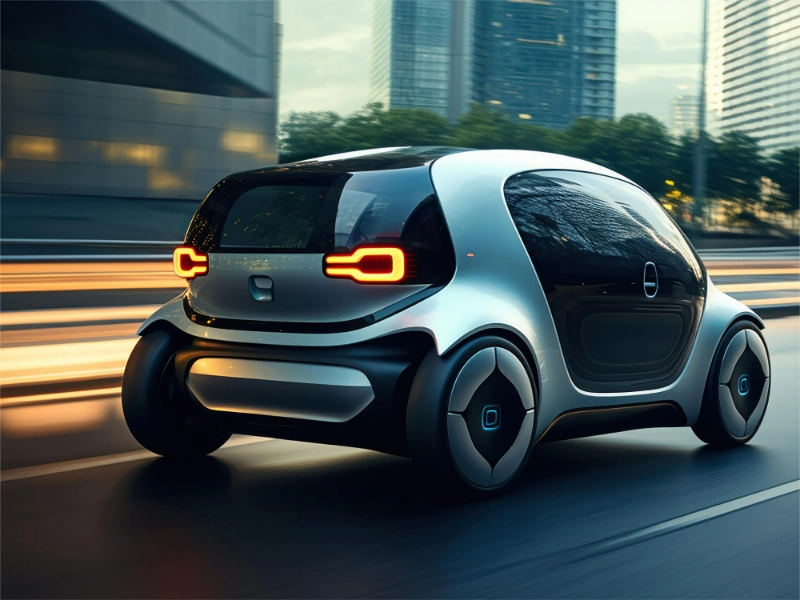
In recent years, consumer awareness of climate change and the desire for sustainable transportation have significantly influenced purchasing decisions. With advancements in battery technology, EVs now offer longer ranges and faster charging times, addressing previous concerns about their practicality. Companies like Tesla have led the charge, showcasing the potential of electric vehicles with innovative designs, high performance, and extensive charging networks. Tesla’s success has inspired traditional automakers, prompting them to invest heavily in EV development and production.
Type of EV
1. Battery Electric Vehicles (BEVs)
BEVs are fully electric cars powered solely by electric batteries. They have no internal combustion engine and produce zero tailpipe emissions, making them the most environmentally friendly option. BEVs rely on charging stations to replenish their batteries, which can vary in charging speed. Popular models include the Tesla Model 3, Nissan Leaf, and Chevrolet Bolt. The main advantages of BEVs include lower operating costs, reduced maintenance needs, and government incentives. However, concerns about range (the distance they can travel on a single charge) and charging infrastructure remain.
2. Plug-in Hybrid Electric Vehicles (PHEVs)
PHEVs combine a traditional internal combustion engine with an electric motor and battery. They can run on electric power for short distances (typically 20 to 50 miles) before switching to gasoline. This dual capability helps alleviate range anxiety since drivers can rely on gasoline for longer trips. PHEVs can be charged from an electric outlet, allowing for greater fuel efficiency in everyday driving. Examples include the Toyota Prius Prime and Ford Fusion Energi. While PHEVs offer flexibility, they can have higher maintenance costs than BEVs due to their combustion engine components.
3. Hybrid Electric Vehicles (HEVs)
HEVs differ from PHEVs in that they cannot be plugged in for charging. Instead, they generate electricity through regenerative braking and by running the internal combustion engine. This allows HEVs to improve fuel efficiency without the need for external charging. Examples include the Toyota Prius and Honda Insight. HEVs typically have lower emissions than traditional vehicles but do not qualify as fully electric. They are often more affordable than PHEVs and BEVs, but they still rely on gasoline, which can be a drawback for environmentally conscious consumers.
4. Fuel Cell Electric Vehicles (FCEVs)
FCEVs use hydrogen fuel cells to generate electricity, producing only water vapor as a byproduct. They offer fast refueling times and longer ranges compared to many battery electric vehicles. However, the hydrogen infrastructure is still limited, making widespread adoption challenging. Notable models include the Toyota Mirai and Hyundai Nexo.
You have to make a radical change as an [automaker] to get to a profitable EV. The first thing we have to do is really put all of our capital toward smaller, more affordable EVs.
Jim Farley, CEO of Ford
Pop quiz
which type of EV can run on electric power for short distance before switching to gasoline?
A.HEVs
B.PHEVs
C.BEVs
D.FCEVs
Environment impact
The environmental impact of electric vehicles (EVs) is increasingly positive as they contribute to reducing greenhouse gas emissions and improving air quality. Unlike conventional gasoline and diesel vehicles, EVs produce zero tailpipe emissions, significantly decreasing pollutants such as nitrogen oxides and particulate matter that contribute to urban smog and respiratory diseases. This shift is particularly beneficial in densely populated areas where air quality issues are prevalent.
However, the environmental benefits of EVs extend beyond their operation. The electricity used to charge these vehicles can come from renewable sources like wind, solar, and hydroelectric power. As the grid becomes greener, the lifecycle emissions associated with EVs diminish further. Studies indicate that even when accounting for emissions from electricity generation, EVs typically have a lower carbon footprint than their internal combustion engine counterparts over their lifetime.
That said, the production of EVs, particularly their batteries, presents environmental challenges. The extraction and processing of materials like lithium, cobalt, and nickel can result in significant ecological disruption and pollution. Responsible sourcing practices and advancements in battery recycling technologies are essential to mitigate these impacts. Efforts are underway to develop sustainable mining practices and explore alternatives to these critical materials, which could alleviate some environmental concerns.
Charging Infrastructure
The charging infrastructure for electric vehicles (EVs) is a critical component in supporting the widespread adoption of EVs and ensuring their practicality for everyday use. As the demand for electric vehicles increases, a robust and accessible charging network becomes essential for alleviating range anxiety among consumers—concerns about running out of battery power before reaching a charging station.
There are several types of charging options available, each designed to meet different needs. Level 1 charging, typically done through standard household outlets, provides a slow charge, making it suitable for overnight charging at home. Level 2 chargers, which can be found in public charging stations and some homes, offer faster charging times and are ideal for workplaces or shopping centers. DC fast chargers provide rapid charging capabilities, allowing EVs to recharge up to 80% in as little as 30 minutes, making them perfect for long-distance travel along highways.
Governments, private companies, and utilities are investing significantly in expanding charging infrastructure. Many cities and countries are setting ambitious targets to increase the number of public charging stations, often integrating them into existing urban planning initiatives. Partnerships between automakers and charging networks, such as Tesla’s Supercharger network and Electrify America, aim to create comprehensive charging solutions that enhance convenience and accessibility.
Moreover, advancements in technology are enhancing the charging experience. Smart charging solutions allow for real-time monitoring, scheduling, and payment options, providing users with greater flexibility. The integration of renewable energy sources, such as solar and wind, into charging stations is also gaining traction, further reducing the carbon footprint associated with electric vehicle use.
The global semiconductor shortage
The global semiconductor shortage has significantly impacted the electric vehicle (EV) industry, highlighting its dependence on advanced technology for production. Semiconductors are essential components in modern vehicles, powering everything from infotainment systems to critical safety features and battery management systems. As automakers ramped up EV production in response to increasing consumer demand and environmental regulations, the shortage became a major hurdle, disrupting manufacturing processes and leading to production delays.
The semiconductor supply chain was already strained before the pandemic, but COVID-19 exacerbated the situation. Factory closures, supply chain disruptions, and a surge in demand for electronics—driven by remote work and digital entertainment—overwhelmed semiconductor manufacturers. This situation left automakers scrambling for chips, with many forced to cut back on production or temporarily halt operations altogether.
For EV manufacturers, the shortage poses unique challenges. While traditional automakers have the flexibility to prioritize production of their internal combustion engine models, many EV startups lack the same resilience and have faced significant setbacks. Delayed vehicle launches and reduced production targets have led to financial losses and tarnished reputations in a highly competitive market.
Additionally, the semiconductor shortage has prompted discussions about the need for greater resilience and diversification in the supply chain. Automakers are now reconsidering their sourcing strategies, with some exploring partnerships with semiconductor manufacturers or investing in their own chip production capabilities. Governments are also taking notice, with various countries considering initiatives to bolster domestic semiconductor manufacturing to mitigate future shortages.
Future Outlook
The future outlook for electric vehicles (EVs) is exceptionally promising, fueled by a convergence of technological advancements, consumer demand, and supportive government policies. As global awareness of climate change intensifies, more consumers are gravitating towards EVs, motivated by environmental concerns and the financial benefits of lower operating costs. Governments around the world are also playing a pivotal role, offering incentives and implementing stricter emissions regulations that encourage the transition to electric mobility.
This regulatory push is expected to accelerate adoption rates, making EVs an increasingly common choice for new vehicle purchases.
Technological innovations, particularly in battery technology, will be crucial for this growth. Advances such as solid-state batteries promise to enhance energy density, reduce charging times, and lower costs, ultimately improving the performance and appeal of electric vehicles. The expansion of charging infrastructure will further alleviate range anxiety, as both public and private sectors invest in fast-charging stations and network development, making long-distance travel in EVs more feasible.
Additionally, automakers are diversifying their electric portfolios, introducing a wider range of models, including SUVs and trucks, to cater to various consumer preferences. This diversification is essential for capturing market share and appealing to a broader audience. Sustainability will also be a key focus; as concerns about battery material sourcing grow, manufacturers will prioritize recycling and ethical sourcing of lithium, cobalt, and other critical minerals to enhance the sustainability of EV production.
The answer to the Pop quiz is answer B.