
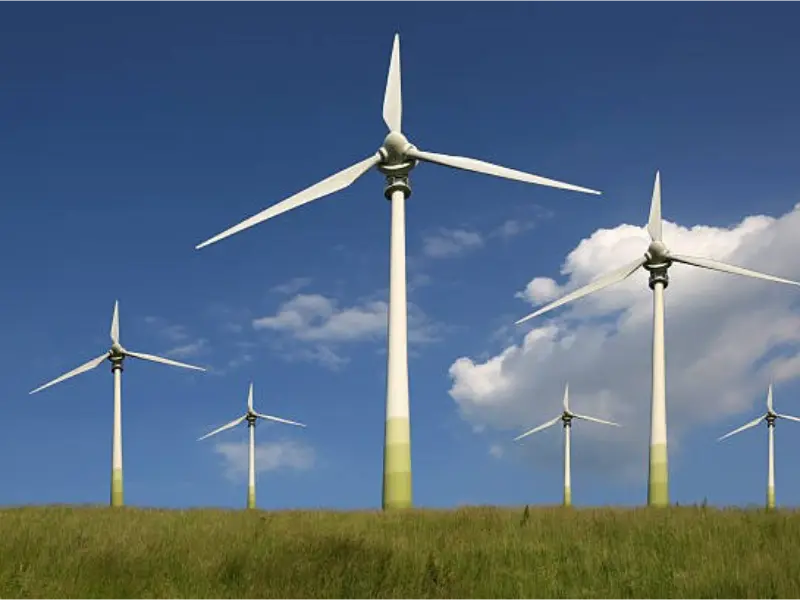
- Power generation produces electricity, which is then transmitted over long distances.
- Efficient distribution ensures electricity reaches end-users reliably and safely.
In the world of electricity, the journey from power plants to your home involves three critical stages: generation, transmission, and distribution. Each stage plays a vital role in ensuring that electricity is produced efficiently, transported safely over long distances, and delivered reliably to consumers. Understanding these processes helps us appreciate the complexity and importance of our electrical infrastructure.
Power generation
1. Producing electricity: Power generation is the first step in the electricity supply chain. It involves converting various energy sources, such as coal, natural gas, nuclear, wind, and solar, into electrical energy. Power plants are the facilities where this conversion occurs. The choice of energy source often depends on availability, cost, and environmental considerations. For instance, fossil fuel plants are common due to their established technology and capacity for large-scale production, whereas renewable sources like wind and solar are gaining popularity for their sustainability.
2. Types of power plants: Different types of power plants are used for electricity generation. Thermal power plants burn fossil fuels to produce steam, which drives turbines connected to generators. Nuclear power plants use nuclear reactions to generate heat, which also produces steam for turbines. Renewable energy plants, such as wind farms and solar arrays, convert natural energy directly into electricity without combustion. Each type of plant has its own advantages and challenges, including efficiency, cost, and environmental impact.
Also read: 5 differences between AC and DC EV chargers
Also read: IoT solutions: Transforming industries and enhancing lives
Power transmission and distribution
1. Long-distance transmission: Once electricity is generated, it must be transported over long distances to reach consumers. This is done through high-voltage transmission lines, which are designed to carry large amounts of electricity efficiently. The use of high voltage reduces energy losses that occur due to resistance in the wires. Transmission networks, or grids, connect power plants to substations where voltage levels are adjusted for safe distribution. These grids are complex and require careful management to ensure stability and reliability.
2. Efficient distribution: After transmission, the electricity reaches local substations where it is stepped down to lower voltages suitable for distribution to homes and businesses. The distribution network consists of lower voltage power lines that deliver electricity to end-users. This stage is crucial for ensuring that electricity is delivered safely and reliably. Distribution networks are designed to handle fluctuations in demand and include safety mechanisms to protect against outages and faults.
3. Technological advancements: Recent advancements in technology have significantly improved the efficiency and reliability of both transmission and distribution systems. Smart grids, which use digital communication technology to monitor and manage the flow of electricity, are becoming more common. These systems allow for real-time adjustments and quicker responses to issues, reducing downtime and improving overall performance. Additionally, the integration of renewable energy sources into the grid has required innovations in how electricity is transmitted and distributed, ensuring that power from diverse sources can be effectively managed and utilised.