
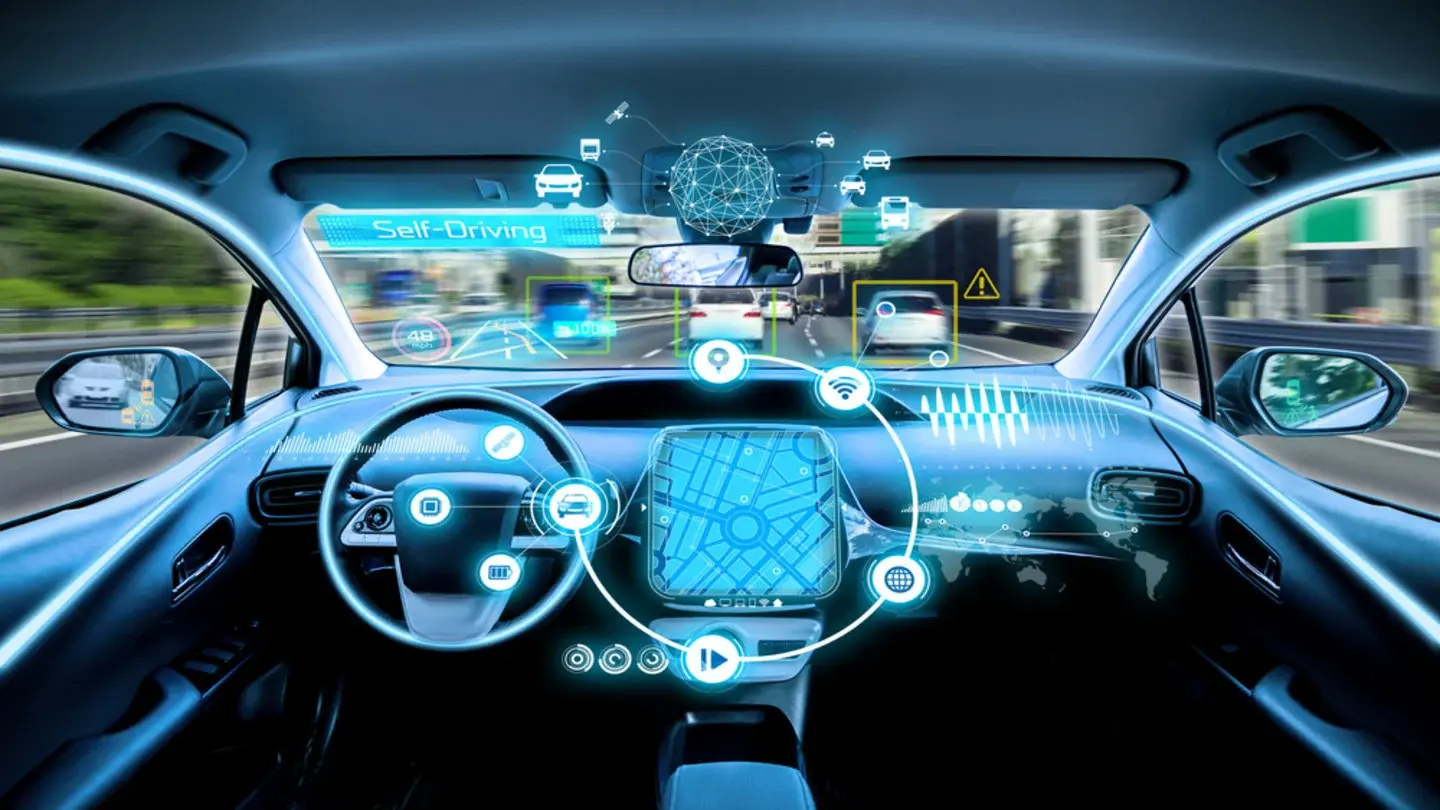
- Transparent Privacy Measures: Explore how clear policies ensure users understand and control their data in smart cars.
- User Empowerment: Learn about features that allow users to selectively share data, fostering a sense of control and ownership.
- Robust Security Protocols: Discover the importance of encryption, regular updates, and network protection to safeguard against cyber threats and data breaches.
With the rapid advancement of smart and connected technologies, many contemporary automobiles now possess the capability to access the internet. While this enhances user experiences through intelligent features, it also brings forth the potential threat of compromised information security. Recently, the Mozilla Foundation, renowned for its open-source browser Firefox, released a research report indicating that over 90% of automakers have taken limited public evidence measures to protect vehicle data privacy. Alarmingly, more than 80% of these automotive companies engage in sharing vehicle-related data with third parties, raising significant concerns among consumers.
The study investigated 25 automotive brands, including BMW, Renault, Subaru, Fiat, Jeep, Chrysler, Volkswagen, Toyota, Lexus, Ford, Audi, Mercedes-Benz, Honda, Lincoln, Acura, Kia, GMC, Chevrolet, Hyundai, Nissan, and Tesla, among others. The results revealed that none of these automakers met the minimum privacy standards outlined by the organization. Furthermore, all brands were found to collect unnecessary personal data from customers, demonstrating poor performance in data management and security.
The report highlighted that 92% of automotive brands provide users with minimal or no control over their personal data. Additionally, 84% of these brands engage in sharing or selling vehicle and user data with third parties, including service providers, data brokers, and other companies. A concerning 76% of automotive brands claim the authority to sell this personal data, and 56% state their willingness to share information with government or law enforcement officials based on court orders, search warrants, or informal requests.
“Increasingly, most cars are wiretaps on wheels, the electronics that drivers pay more and more money to install are collecting more and more data on them and their passengers.”
Albert Fox Cahn, a technology and human rights fellow at Harvard’s Carr Center for Human Rights Policy.
Addressing these concerns necessitates a comprehensive strategy that encompasses technological innovations, robust policy frameworks, and effective user education.
Transparent privacy policies
To instill trust among users, automotive manufacturers and service providers should develop clear and transparent privacy policies. These policies should explicitly outline the methods by which data is collected, used, and shared. This ensures that users have a comprehensive understanding of how their data is handled.

User control empowerment
Providing users with greater control over their personal data is paramount. Manufacturers should incorporate features that allow users to selectively share data or disable specific functionalities. This empowerment fosters a sense of ownership and control over the information shared with smart vehicles.
Enhance data security technologies
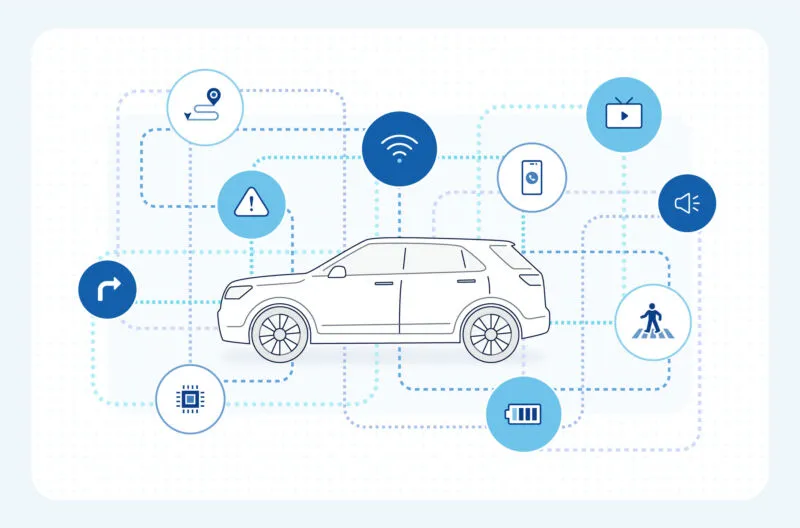
The implementation of robust data security measures is crucial to safeguard against potential cyber threats. Techniques such as encryption, regular security updates, and fortified network protection should be employed to mitigate the risks associated with network attacks and data breaches.

Minimize unnecessary data collection
Striking a balance between innovation and privacy, manufacturers should minimize the collection of unnecessary personal data. Focus should be placed on gathering information directly related to vehicle performance and user experience, avoiding the accumulation of excessive data that may give rise to privacy concerns.
Establish industry standards and regulations
Collaborative efforts within the automotive industry are essential to establish and adhere to industry-wide standards for privacy protection. Additionally, governmental authorities should consider enacting regulations to provide a structured framework governing privacy practices within the automotive sector.
POP QUIZ
What is a key recommendation for enhancing smart car privacy?
- A. Increasing unnecessary data collection
- B. Minimizing user control over personal data
- C. Implementing transparent privacy policies
The answer is in the end of this article.
User education on privacy protection
Raising awareness among users is critical. Educational campaigns should be initiated to inform vehicle owners about their rights and responsibilities concerning personal data. This ensures an informed user base capable of making decisions aligned with their privacy preferences.
Supervision and audit mechanisms
Independent oversight bodies should be established to supervise and audit the privacy practices of automotive manufacturers and service providers. These entities would ensure compliance with established industry standards and regulations, holding stakeholders accountable.
Timely software and firmware updates
To address evolving cybersecurity threats, manufacturers must release timely software and firmware updates. This proactive approach is essential for addressing known security vulnerabilities and maintaining the overall security of vehicle systems.
Create user feedback channels
Establishing user-friendly feedback channels enables consumers to report potential privacy issues. This two-way communication ensures that manufacturers can swiftly identify and address emerging privacy concerns, creating a collaborative approach to data security.
Emphasize ethical and social responsibility
Manufacturers should actively emphasize their commitment to ethical and social responsibility. By showcasing proactive measures in privacy protection, they not only fortify user trust but also contribute positively to their brand image within the market.
In conclusion, safeguarding privacy in smart cars requires a multifaceted approach that goes beyond mere technological considerations. By implementing these comprehensive recommendations, the automotive industry can foster a secure, trustworthy, and privacy-respecting environment for users in the digital age.
The answer of the quiz is C