

- Cybersecurity is an ongoing challenge as both technology and cybercriminal tactics evolve.
- AI and machine learning enhance security but are also exploited by attackers, making cyber threats more sophisticated.
- A multi-layered approach, combining technology, employee training, and proactive strategies, is crucial for effective defense.
In today’s digital world, cybersecurity is a topic that continually makes headlines, whether it’s the latest data breach or the constant evolution of cybercriminal tactics. Every company, from small start-ups to multinational corporations, is making substantial investments to protect their sensitive data, networks, and systems from the growing threat of cybercrime. These efforts include deploying advanced technologies, strengthening firewalls, implementing encryption, and enhancing their overall security infrastructure. However, as cybercriminals continue to evolve their tactics and develop increasingly sophisticated tools, a pressing question arises: Are we truly safe, or are we merely staying one step ahead in an endless game of cat and mouse?
Despite the significant progress made in cybersecurity, the reality is that the threat landscape is in constant flux. Attackers are becoming more inventive, using artificial intelligence, machine learning, and other advanced technologies to bypass traditional defenses. While businesses are undoubtedly better protected today than ever before, the ever-changing nature of cyber threats means that even the most robust security measures can quickly become obsolete.
As a result, the question of safety is never fully answered; rather, it’s a continuous challenge of adapting, anticipating new threats, and maintaining a vigilant defense against cybercriminals who are always looking for new vulnerabilities to exploit.
Also read: AI, 5G, and cybersecurity to dominate telecom trends in 2025
Also read: Watering hole cyberattacks increase, warns APNIC
What is cybersecurity?
The foundation of digital safety in an interconnected world
Cybersecurity refers to the practice of protecting systems, networks, and data from digital attacks, unauthorized access, and damage. With the increasing reliance on digital technologies across all industries, cybersecurity has become essential to safeguard sensitive information, maintain privacy, and ensure the integrity of critical infrastructure. As cybercriminals continuously evolve their tactics, the field of cybersecurity must stay one step ahead, leveraging advanced tools and strategies to protect against threats like hacking, malware, and data breaches.
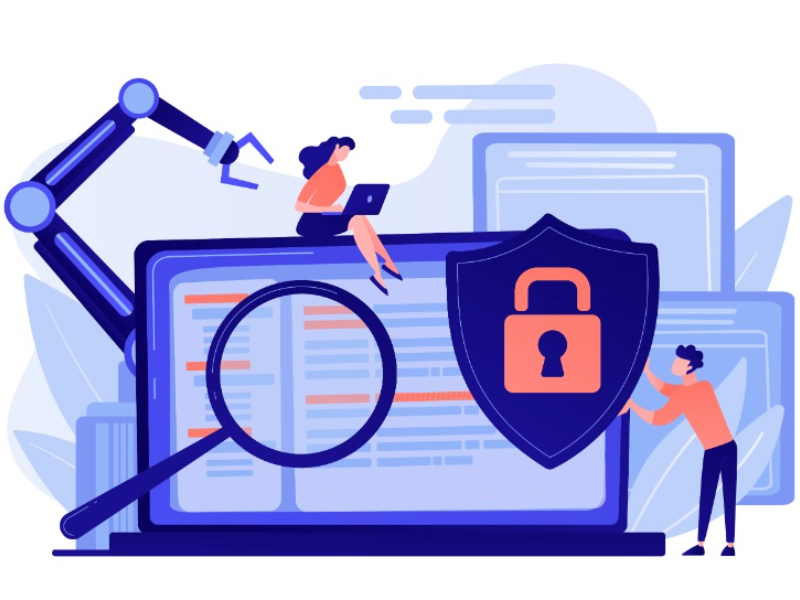
Key Components of Cybersecurity
Cybersecurity isn’t limited to any one technology; it encompasses a wide range of practices, from protecting personal devices to defending large-scale enterprise systems. This includes the use of firewalls, encryption, access control, intrusion detection systems, and more. Additionally, cybersecurity involves risk management strategies to address vulnerabilities, data protection practices to secure sensitive information, and policies for managing security across organizations.
Proactive Defense and Risk Management
As technology advances, so do the tactics of cybercriminals, making cybersecurity a constantly evolving challenge. One of the key elements of effective cybersecurity is being proactive—anticipating potential threats and responding quickly to new attack methods. This is why multi-layered security approaches, which combine technology, employee training, and rapid incident response, are critical to staying ahead of potential breaches and minimizing the damage when attacks occur.
Ultimately, cybersecurity is not just about protecting systems; it’s about ensuring that businesses and individuals can operate securely in an increasingly connected digital world.
Also read: Does a VPN safeguard Your online privacy and security?
Also read: What is cybersecurity?
Navigating the cybersecurity battlefield: Staying one step ahead
Cybersecurity has become essential in our increasingly digital world. Businesses and individuals rely on technology for everything from communication to transactions. This reliance exposes us to cyberattacks. Sensitive data, intellectual property, and finances are constantly at risk. As more information moves online, the threat grows. Although cybersecurity technology has improved, cybercriminals evolve quickly. They often stay ahead of defensive measures. High-profile data breaches show just how damaging these attacks can be. They remind us of the serious consequences a single vulnerability can cause.
This topic explores the balance between safety and vulnerability. It examines the strategies businesses use to protect their data. Experts offer insights into how we can improve our defenses. Despite progress, new threats emerge regularly. We must ask: Can we ever truly stay ahead? Or will we always be one step behind? Understanding cybersecurity has never been more important.
Pop quiz
What is the primary goal of cybersecurity?
A) To protect data from natural disasters
B) To protect systems, networks, and data from cyberattacks
C) To prevent physical access to computers
D) To monitor internet usage
The correct answer is at the bottle of the artical.
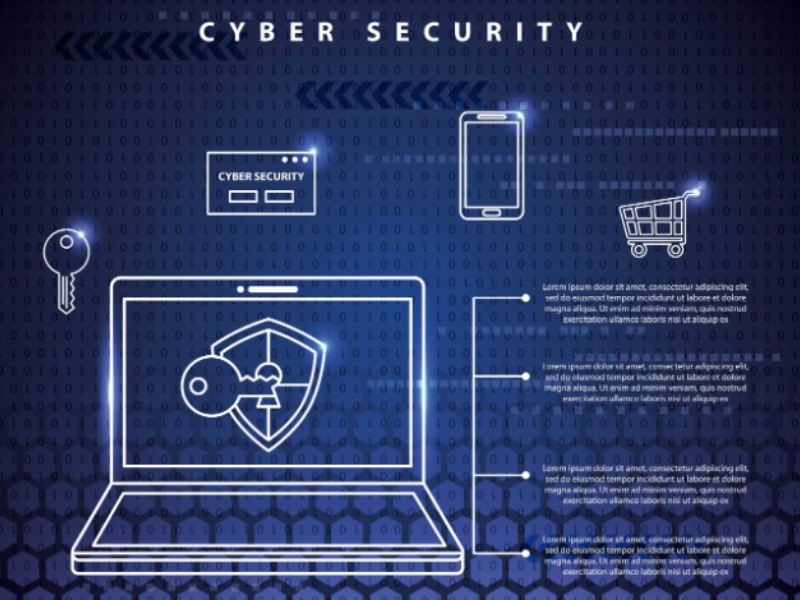
The Current State of Cybersecurity
The cybersecurity industry is currently facing a critical juncture, with both opportunities and challenges emerging as technology rapidly advances. On one side, innovations such as artificial intelligence and machine learning are enabling more proactive and automated threat detection, empowering businesses to identify and neutralize threats in real-time. These technologies enhance the ability to stay one step ahead of potential breaches, offering a more dynamic approach to security. However, cybercriminals are also leveraging these same advancements, using them to launch increasingly sophisticated and targeted attacks.
One clear example of this escalation is the rise in ransomware attacks, which have become more complex and are now targeting a wide range of critical sectors, from healthcare to vital infrastructure. In response to these evolving threats, organizations are shifting towards a multi-layered approach to cybersecurity. This approach not only focuses on the latest firewalls and endpoint protection but also emphasizes the importance of incident response plans and comprehensive employee training to reduce the risk of human error.
By adopting this holistic strategy, businesses aim to create a more resilient defense that can withstand a variety of cyber threats.
Also read: Mitiga secures $30m to expand cybersecurity services
Also read: Whale phishing: How cybercriminals target high-flyers
The problem with cybersecurity is that it’s constantly evolving. The threats don’t stop, and neither can we.
Mikko Hypponen (Chief Research Officer, F-Secure)
The Future of Cybersecurity
The future of cybersecurity holds great promise, driven by innovations like quantum encryption, more resilient blockchain networks, and advanced artificial intelligence systems designed to predict and neutralize threats. As technology evolves, however, so do the tactics and capabilities of cybercriminals, making the landscape of cybersecurity increasingly complex. Consequently, businesses, governments, and individuals must not only stay informed about emerging threats but also be proactive in adopting advanced security measures.
The shift in cybersecurity strategies is moving away from a reactive stance, where responses to breaches occur after the fact, to a more proactive approach that emphasizes anticipation and prevention. This shift requires continuous education, significant investment in new technologies, and, crucially, collaboration across industries, as cybersecurity is no longer just the responsibility of IT departments but a collective challenge that involves every sector.
As the pace of technological change accelerates, the question is no longer simply whether we can remain secure, but whether we can keep up with the constantly evolving landscape of threats and innovations. To navigate this future, businesses and governments must embrace a mindset of agility and forward-thinking, investing not just in defense mechanisms but in the future of cybersecurity itself.
Cybercriminals will exploit any vulnerability. It’s not a matter of if, it’s when.
Chris Wysopal (CTO & Co-Founder, Veracode)
The Never-Ending Race
The race between cybersecurity professionals and cybercriminals is not one that can be “won” in the traditional sense. As long as technology evolves, so will the tactics used by attackers. What matters is how well we can adapt to these changes and build stronger defences. The ultimate goal is not just to be one step ahead but to create a system that’s resilient enough to weather the constant waves of innovation from both sides. The reality is that while cybersecurity has come a long way, the battle is far from over.
Cybercrime is one of the most profitable businesses in the world today, and it’s only growing.
Eugene Kaspersky (CEO, Kaspersky Lab)
Stay informed, stay vigilant, and invest in the tools and education necessary to safeguard your digital presence. The next cyberattack may be just around the corner, but with the right precautions, we can continue to stay one step ahead.
This feature delves into the state of cybersecurity, exploring the challenges, innovations, and expert opinions on the ongoing battle against cybercrime. The topic is relevant to anyone who engages with the digital world, as the threat of cyberattacks continues to grow in scale and complexity.

FAQs:
Cybersecurity involves protecting systems, networks, and data from cyber threats, including hacking, data breaches, and other malicious activities. Its goal is to maintain the confidentiality, integrity, and availability of information.
As more personal and business activities move online, protecting digital assets is crucial to prevent data breaches, financial loss, and identity theft. Cyberattacks can harm individuals, companies, and governments alike.
Encryption is the process of converting data into unreadable code, ensuring that even if it is intercepted, it cannot be accessed by unauthorized parties. It is essential for protecting sensitive information during transmission.
MFA adds an extra layer of security by requiring two or more forms of identification—something you know (password), something you have (phone), and something you are (fingerprint or face recognition).
Firewalls monitor incoming and outgoing network traffic, blocking malicious data while allowing legitimate traffic to pass through. They act as a barrier between your devices and potential threats on the internet.
Quiz answer
B) To protect systems, networks, and data from cyberattacks