
Cracking the code: Spam vs.
- Spam refers to unsolicited mass digital communication, whereas phishing is an online scam designed to deceive individuals into divulging sensitive personal information for further exploitation.
- The key differences between spam and phishing include their objective, content, targeting, detection and prevention and consequences.
This article will introduce the definition and key differences between spam and phishing.
What is spam?
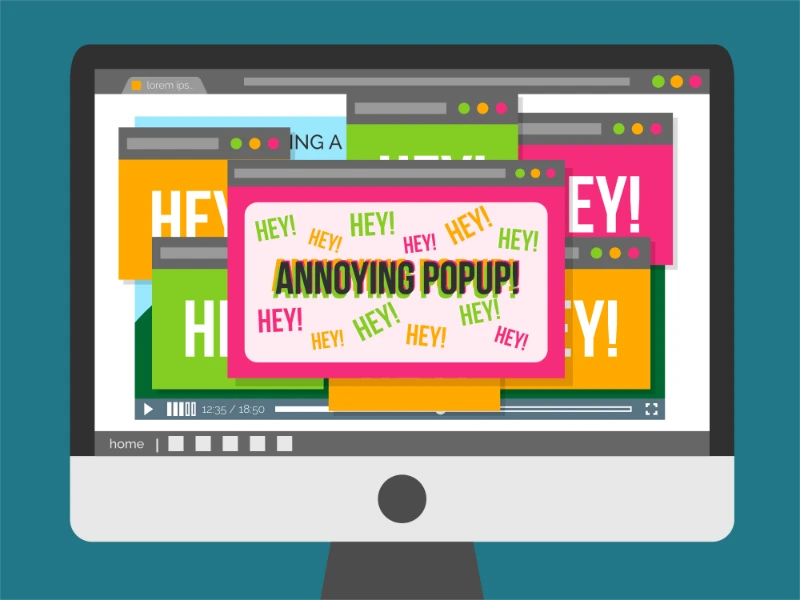
Spam refers to unsolicited mass digital communication. It ranges from harmless annoyances by flooding inboxes with junk to malicious activities like distributing viruses. The main aim is cost-effective promotion to a broad audience, hoping a few will engage and make purchases.
Also read: Web vulnerabilities: Risks to data and reputation (btw.media)
Also read: Brands and stars hit by TikTok cyber-attack (btw.media)
What is phishing?
Phishing is an online scam designed to deceive individuals into divulging sensitive personal information, transferring money, or unwittingly installing malware for further exploitation. Phishing attacks manifest through various channels such as voice messages (‘vishing’), text messages (‘smishing’), emails, online comments, and even physical letters. Regardless of the medium, phishing involves malicious actors masquerading as trustworthy sources to manipulate recipients into taking actions that benefit the attackers. This form of cyberattack has persisted since the internet’s inception and remains highly prevalent today.
Key differences between spam and phishing
Understanding the difference between spam and phishing is crucial for enhancing your online safety. While both are unwanted and potentially harmful, they differ in their objectives, methods, and impacts. Here are the key distinctions:
1. Entityive
While Spam primarily aims to advertise products, services, or spread malware indiscriminately. phishing intends to steal money or sensitive information by tricking individuals or organisations into divulging personal details, financial information, or login credentials.
2. Content
Spam typically contains promotional material, though it can include scams. On the other hand, phishing messages impersonate trusted entities and often create urgency or fear to prompt immediate action.
3. Targeting
Spam targets large numbers of recipients without personalisation. Phishing attacks, on the other hand, are more targeted and personalised to increase success rates, employing tactics like spear phishing to tailor messages to specific individuals or organisations.
4. Detection and prevention
Spam can be mitigated with email filters that identify and block suspicious content. Nevertheless, detecting phishing requires more advanced techniques as these messages often evade traditional filters by appearing legitimate. Users must be vigilant and recognise phishing tactics to mitigate risks.
5. Consequences
Spam can clutter inboxes and waste time but typically does not lead to direct financial loss or identity theft, except when containing malicious software. Phishing, however, poses a significant risk of financial loss, identity theft, and reputational damage, making it a more serious threat to both individuals and organisations.
How to spot and prevent them?
- Spotting: Review the sender’s details. Verify the sender’s email or phone number for subtle alterations. Phishing schemes frequently replicate authentic addresses, substituting characters like “rn” for “m” or using uppercase “I” instead of lowercase “l.” To detect these changes, you can copy the text and alter the font to reveal discrepancies.
- Preventing: Block the spammers. Go to your phone’s settings and block the numbers that are sending you spam text messages.
Member Briefing
Deeper Trend Context
Sign in with the right membership level to unlock the full briefing and source notes.
Only for Strategic Circle
Strategic Circle
Open to all readers. Unlock trend briefings after joining and signing in.
Join Strategic CircleOnly for Leadership Alliance
Leadership Alliance
For operators, investors, and policy teams that need relationship evidence, failure paths, and source notes. Sign in to unlock.
Join Leadership Alliance