
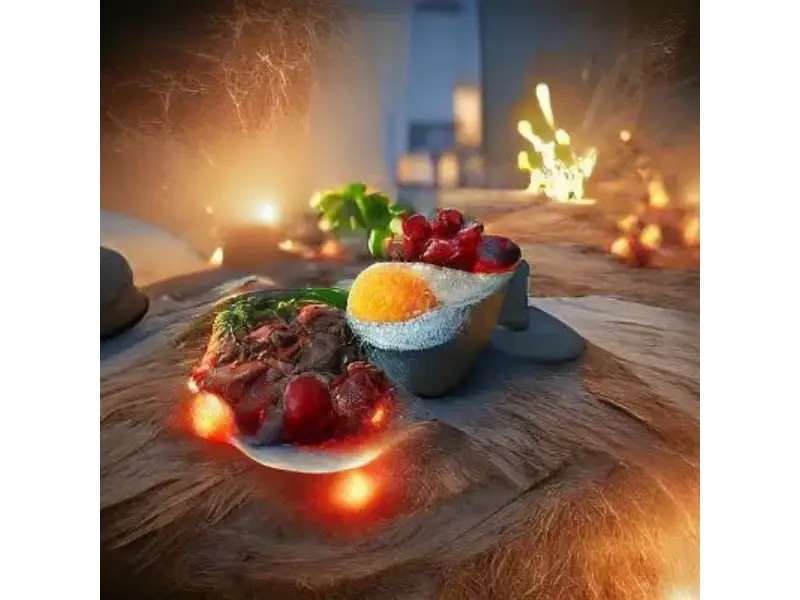
- Some ghost kitchens exist as unmarked commercial kitchens with no actual restaurant you can visit that simply fulfill orders for a variety of brands that only exist on the food delivery services.
- The brands deliver food from different ghost kitchens across the country, and all of them feature the same type of AI-generated images to promote their food, some of which looks ridiculous.
In the rapidly evolving world of food delivery, a concerning trend has emerged, raising questions about the authenticity of food images used to promote ghost kitchens on popular delivery platforms. These ghost kitchens, which operate as unmarked commercial kitchens fulfilling orders for various brands exclusive to food delivery apps, have been found to utilize AI-generated images that depict food items that don’t actually exist.
The rise of AI-generated food images
It is common for food advertisements to enhance or stage images to make dishes appear more appealing, but the use of AI-generated images takes this practice to a whole new level. Some of these images depict physically impossible food items, leading to a significant disparity between the advertised visuals and the actual products being sold.
For example, Pasta Lovers on DoorDash is revealed to source its food from Tony’s Pizzeria in North Brooklyn, which also fulfills orders for other virtual brands such as Philly Cheez, Hero Mania, and That’s A Wrap. All of these brands rely on AI-generated images to market their offerings, some of which have been described as visually absurd.
Commitment to realistic representations
In response to these revelations, major food delivery platforms have expressed their commitment to maintaining realistic representations of meals in order to uphold customer trust. Grubhub, which operates Seamless, emphasized that it does not permit the use of AI-generated images and will promptly remove such images from menus. Similarly, DoorDash affirmed its dedication to showcasing high-quality, accurate, and realistic menu images to ensure customer expectations are met.
Also read: Apple launches ‘edit by text’ AI image tool
Impact on culinary practices and livelihoods
The implications of this phenomenon extend beyond mere visual representation, prompting deeper reflection on the impact of technology on traditional culinary practices and livelihoods. As observed by Maiberg, the convergence of AI-generated food images, ghost kitchens, and the dominance of food delivery apps paints a disheartening picture. Local establishments are compelled to diversify their offerings to cater to virtual brands, while the role of photographers specializing in food imagery is being overshadowed by AI tools.
This situation underscores the profound changes and challenges faced within the food industry as it navigates the digital landscape.
Also read: Meta’s standalone AI image generator: Meaningful for human creativity
Philosophical implications of AI-generated food images
The use of AI-generated food images raises philosophical questions, evoking the concept of Simulacra as articulated by Jean Baudrillard. The portrayal of non-existent food items for consumption blurs the line between reality and illusion, inviting contemplation on the nature of truth and representation in the context of modern consumerism and technology.