
Amazon faces ban on anti-union meetings after US labour ruling is profiled by BTW Media because published evidence links it to internet infrastructure, governance, operational dependencies, or market visibility.
Amazon faces ban on anti-union meetings after US labour ruling is tracked as a internet infrastructure institution within the internet infrastructure ecosystem.
Amazon faces ban on anti-union meetings after US labour ruling has public-source relevance to network operations, governance, dependency mapping, or market structure.
Amazon faces ban on anti-union meetings after US labour ruling is tracked as a internet infrastructure institution within the internet infrastructure ecosystem.
Public-source signals support medium-impact monitoring for infrastructure visibility and dependency analysis.
Amazon faces ban on anti-union meetings after US labour ruling is profiled by BTW Media because published evidence links it to internet infrastructure, governance, operational dependencies, or market visibility.
Public-source signals support medium-impact monitoring for infrastructure visibility and dependency analysis.
| 0.90–1.00 | A | High — direct sources |
| 0.75–0.89 | A/B | Strong |
| 0.55–0.74 | B/C | Medium |
| 0.35–0.54 | C/D | Weak–medium |
| 0.10–0.34 | D | Weak signal |
| 0.00–0.09 | D | Internal monitoring |
Several public sources
- NLRB rules Amazon unlawfully discouraged unionisation at its Staten Island warehouse and bans mandatory anti-union meetings.
- Amazon threatened workers and removed union posts during the 2022 election; the company may appeal.
What happened
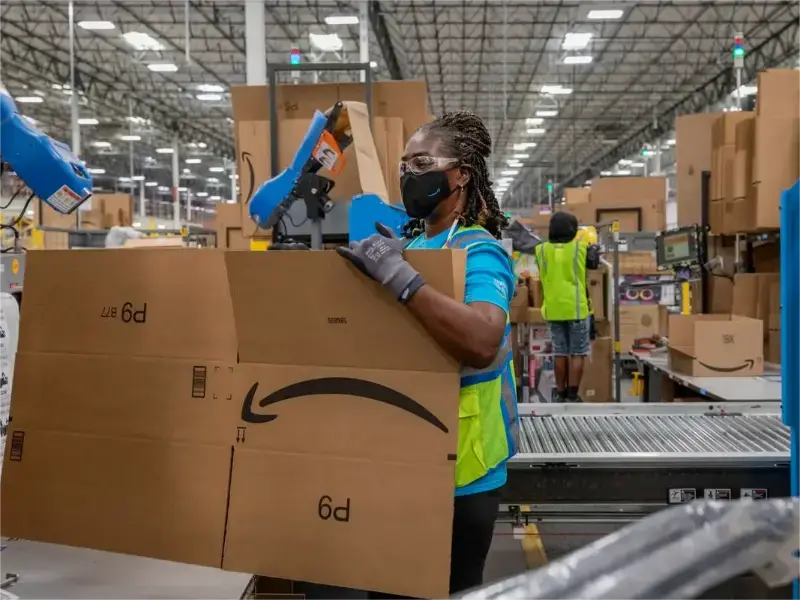
The U.S. National Labour Relations Board (NLRB) ruled on Wednesday that Amazon made unlawful promises and threats during mandatory meetings to discourage unionisation at its Staten Island warehouse. The ruling also bans employers from holding such “captive audience” meetings in the future. The NLRB said these meetings unlawfully interfere with workers’ right to freely choose whether to unionise. Employers can hold meetings about unionising, but they must be voluntary, with advance notice and no attendance records, the board clarified.
The case relates to Amazon’s actions at its JFK8 warehouse during a 2022 union election. The NLRB found that Amazon managers solicited grievances from workers and made implied promises to address them if the workers rejected the union. In other meetings, managers unlawfully threatened to withhold raises and benefits if the warehouse unionised.
The board also found that Amazon removed union-related posts from an online message board and threatened to discipline a worker who reposted them. Amazon may appeal the decision to a federal court, which could delay the ongoing legal battles between the company and the NLRB.
Also read: Amazon Labor Union votes to join forces with Teamsters
Also read: Amazon workers to join Teamsters’ strikes against unfair labour practices
Why it is important
The NLRB’s ruling is important because it protects workers’ right to choose whether to unionise without employer interference. By banning “captive audience” meetings, where employees are forced to attend anti-union sessions, the decision shields workers from coercion and intimidation. This ruling sets a key precedent for labour rights, especially in large companies like Amazon, where unionisation efforts have faced strong opposition.
The case underscores the ongoing conflict between employers and unions, as workers push for better conditions and representation. If upheld, the ruling could lead to stronger protections for workers’ rights to organise and change how employers handle unionisation efforts. However, Amazon may appeal, which could delay the decision and affect future labour law. Ultimately, the ruling highlights the need for fair practices in union elections, ensuring workers can make informed decisions without undue pressure.
At A Glance
- Name: Amazon faces ban on anti-union meetings after US labour ruling
- Type: Internet infrastructure institution
- Base: Global
- Profile focus: Institution
What It Does
- Public records support monitoring of its role, services, and key relationships.
Why It Matters
- Public-source signals support medium-impact monitoring for infrastructure visibility and dependency analysis.
- Operational criticality: Medium
- Time horizon: Next quarter
What To Watch
- Monitoring focuses on verified service continuity, governance changes, and relationship signals.
Track verified source updates, role changes, and current public evidence.
Public-source signals support medium-impact monitoring for infrastructure visibility and dependency analysis.
Longer-term relevance depends on verified operating, policy, and relationship changes.
Member Briefing
Deeper Profile Context
Login is required to unlock the full profile briefing and source notes.
Only for Strategy Circle
Strategic Circle Access
Open to all readers. Unlock profile briefings after joining and logging in.
Join Strategic CircleOnly for Leadership Alliance
Leadership Alliance Access
For owners and management of IP-holding companies. Login required to unlock.
Join Leadership Alliance


