
- Verizon Business and Nokia launch multisite Private 5G across key Thames Freeport locations.
- Network supports AI analytics, automation, real‑time logistics and aims to boost jobs and efficiency.
What happened: Private 5G deployment at Thames Freeport
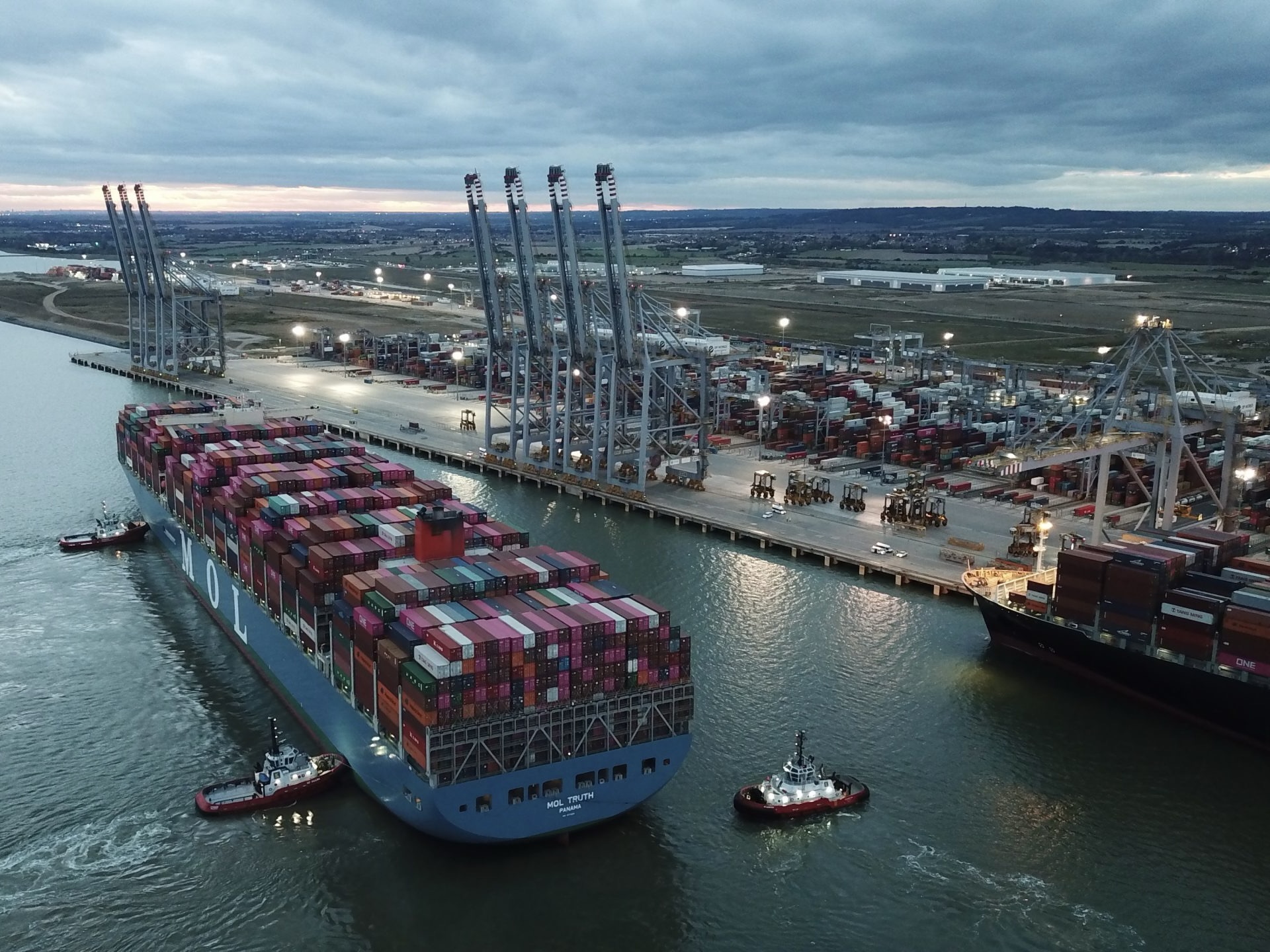
Verizon Business has landed a new contract to build out Private 5G networks across Thames Freeport, one of the UK’s key logistics and manufacturing zones. The rollout, which started in June 2025, covers sites including DP World London Gateway, the Port of Tilbury, and Ford’s Dagenham plant. Nokia is supplying the core tech, including its DAC platform and edge computing systems.
The network is built for industrial use—fast, secure, and able to handle real-time data. It’s designed to support things like AI-driven logistics, automated traffic flows, predictive maintenance, autonomous vehicles, and live asset tracking. Everything connects through edge infrastructure to help these sites work more efficiently and with fewer delays.
Verizon called it one of the biggest private 5G projects in a UK freeport so far. The deal also helps the company strengthen its presence in Europe’s growing enterprise network market.
Also Read: Power of private 5G: Inside CampusGenius GmbH with Co-Founder and Managing Director Thomas Höschele
Also Read: Ericsson powers 5G mining breakthrough
Why it is important
This deployment makes one thing clear: Private 5G isn’t just a future concept anymore—it’s starting to power how real industries work. Unlike public networks, private 5G gives companies full control over speed, security, and reliability. That matters when you’re managing robots, real-time logistics, or automated machinery. At a site like Ford’s Dagenham plant, it could mean faster responses, fewer breakdowns, and tighter quality across the board.
It’s also a reminder that infrastructure spending can directly support local growth. Thames Freeport isn’t just putting down fiber and antennas—it’s building a base for new types of jobs. By 2030, the site expects to add thousands of roles across digital maintenance, systems control, and logistics automation. With fast and stable connectivity, the area could even pull in newer industries—like drone delivery services or AI-driven energy grids—that need high network performance to operate properly.
For Verizon, this is more than just a contract win. It shows the company is serious about industrial clients—and willing to handle the complexity of large, multi-site setups. With Nokia as a partner, it’s also better positioned to compete in Europe’s growing private 5G market, where edge computing and tailored network solutions are quickly becoming the new standard.