
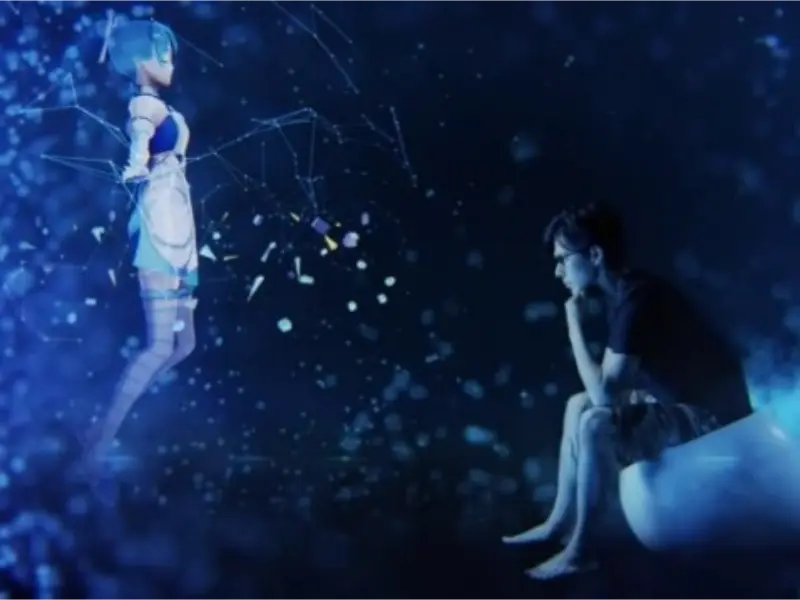
- AI can simulate emotions through machine learning and big data, but its emotional understanding is still limited.
- Critics argue that AI’s reliance on data and algorithms limits its understanding of human emotions.
Imagine you’re feeling overwhelmed, anxious, or sad, and you reach out for help. You engage with a chatbot designed to assist people with mental health issues, only to find the responses are sterile, robotic, and lack empathy. The chatbot generates phrases like “I understand your concern” or “Let’s work through this together”. But somehow, you know that these words are just algorithms—nothing more. Despite the fact that the chatbot can assess your mood based on your language and suggest helpful tips. But it’s still missing something essential. It doesn’t feel like you’re speaking to a real person.
This scenario is not hypothetical. Mental health tools like Woebot, an AI-powered chatbot, are popular for offering cognitive-behavioral therapy (CBT). Woebot and similar tools are praised for their accessibility and immediate support. However, critics argue that these AI systems lack something irreplaceable: genuine emotional understanding.
Artificial intelligence has evolved from a tool for performing simple tasks to one capable of analyzing emotions, predicting behavior, and simulating human interactions. However, a fundamental question remains: Can AI really understand human emotions? Is there a fundamental conflict that prevents AI from making the same intuitive judgments that humans do when processing emotions? Will this limitation affect the effectiveness of AI applications in areas such as mental health and customer service?
Also read: Meta unveils AI Studio for personalised chatbot creation
Also read: Nvidia’s Clara: AI for personalised healthcare
The rise of emotionally intelligent AI
AI’s advancements in emotion detection and simulation are nothing short of impressive. Machine learning algorithms are now capable of analyzing facial expressions, voice tones, and even text to identify a person’s emotional state. These technologies are often referred to as affective computing, and their potential is significant. In fields like mental health and customer service, AI-driven chatbots and assistants have become increasingly common. They can provide immediate support and interactions.
According to Rosalind Picard, a pioneer in affective computing and Professor of Media Arts and Sciences at MIT, “Affective computing is transforming the way we interact with machines and improving how machines can assist with tasks that involve human emotion”. This ability has opened doors to a wide range of applications, from mental health interventions to customer support.
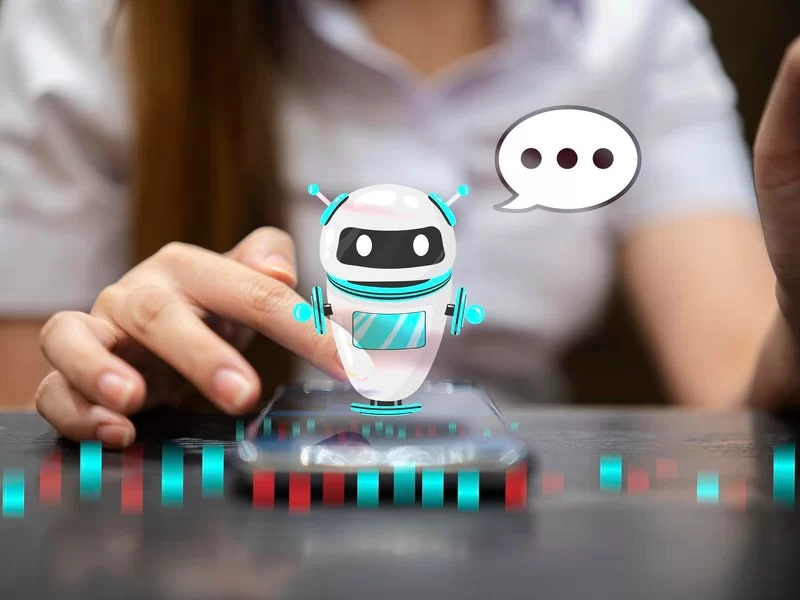
For instance, AI-powered virtual assistants like Cleo and Replika have been designed to simulate empathetic responses. These platforms claim to offer a safe space for users to express their emotions and seek support. They analyze written or spoken input to detect emotional cues. Then, they respond with pre-programmed solutions to comfort or assist.
But here lies the problem: while AI can mimic empathy, it cannot feel empathy. Janelle Shane, an optics researcher and author of the book ‘You Look Like a Thing and I Love You‘, explains, “AI might be good at mimicking what we think of as emotion, but it doesn’t experience emotion the way humans do. It’s merely following patterns in data.” In other words, AI is an excellent mimic but lacks the subjective experience that defines human emotion.
Affective computing is transforming the way we interact with machines and improving how machines can assist with tasks that involve human emotion
Rosalind Picard, a pioneer in affective computing and Professor of Media Arts and Sciences at MIT
The conflict: Data vs. Human emotion
At the heart of AI’s emotional limitations is its reliance on data. AI learns from vast amounts of information—often sourced from behavioral data, text inputs, and facial recognition systems. By analyzing these inputs, AI can make predictions about a person’s emotional state and tailor responses accordingly. This process works effectively for basic emotional states like happiness, sadness, or anger. However, it fails to address the complexity of human emotions.
Human emotions are not easily quantifiable. They are shaped by personal experiences, cultural influences, and intricate psychological processes. For example, two people may experience the same event, such as the loss of a loved one. But their emotional responses will be profoundly different based on their individual life experiences. AI, however, treats emotions as data points that can be measured, analyzed, and predicted. As Janelle Shane pointed out that, “AI doesn’t experience emotion the way humans do”.
This leads to a fundamental conflict between AI’s data-driven nature and the unpredictable, nuanced qualities of human emotion. In areas like mental health care, this conflict is particularly stark. While AI tools like Woebot can provide basic support for individuals struggling with mild anxiety or depression. But they often fall short when dealing with more complex psychological issues. AI’s lack of a true understanding of context, history, and underlying emotional layers means it can only offer superficial responses. Psychologist and AI expert Dr. David Luxton has noted in discussing this point that “AI is very effective at expanding the accessibility and scale of mental health therapy, but it cannot replicate the deep emotional connection that human therapists can provide.” This personal bond is at the heart of the healing process.” In other words, AI can provide some initial support, but it cannot provide the deep care and empathy of psychotherapy.
AI doesn’t experience emotion the way humans do
Janelle Shane, an expert in artificial intelligence
The limitations of AI in sensitive contexts
Consider the example of mental health care. Mental health professionals spend years studying human emotions and developing the intuition needed to understand the complex emotional states of their patients. They rely on empathy, the ability to put themselves in another person’s shoes, to provide effective support. AI, however, cannot replicate this human quality. It might recognize that a person is upset based on the tone of their voice or the words they use, but it cannot understand the depth of their distress or the reasons behind it. As Dr.
Rosalind Picard pointed out that “AI can learn and recognize emotions to a certain extent, but it will never be able to understand the depth of emotions because it lacks the subjective experience that humans have”.
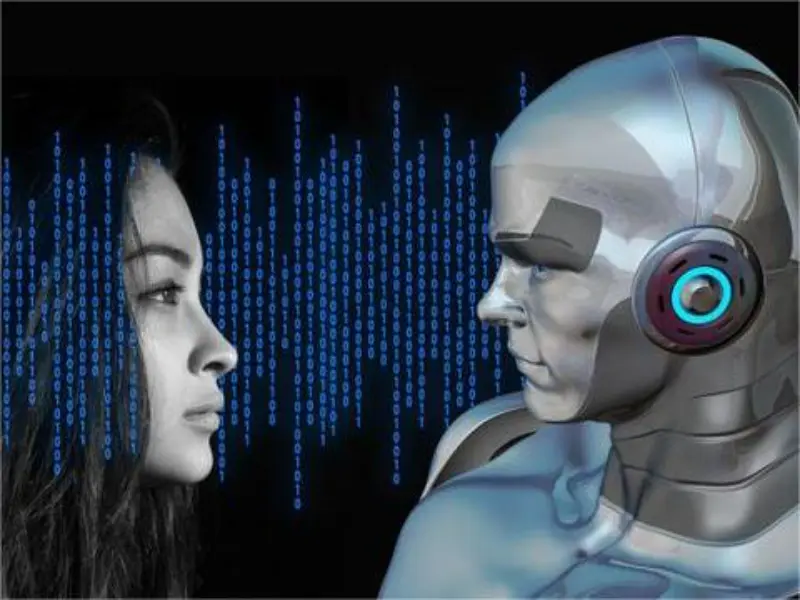
The studies have shown that patients often feel less understood and more alienated when interacting with AI systems that are supposed to offer emotional support. Dr. David Luxton warns that while AI can help address the accessibility and scalability challenges of mental health care, it should never replace human therapists. “AI can be an invaluable tool for delivering therapy at scale, but it cannot replicate the human connection that is vital for healing”, Luxton says.
AI can be an invaluable tool for delivering therapy at scale, but it cannot replicate the human connection that is vital for healing
David Luxton, a psychologist and AI expert
AI is also being used increasingly in customer service, where businesses are deploying chatbots to handle customer complaints and provide instant responses to queries. But AI’s emotional limitations often become apparent in these contexts as well. For example, when a customer expresses frustration or dissatisfaction, a chatbot may be able to detect keywords like “angry” or “frustrated,” but it cannot provide the empathy needed to defuse the situation. A human customer service agent, on the other hand, could sense the emotional undertones and adjust their response to comfort the customer.
Pop quiz
Which of the following statements best describes a key limitation of AI in understanding and expressing human emotions?
A. AI can perfectly replicate human emotions, understanding their depth and complexity
B. AI is only able to recognize basic emotions but struggles to comprehend the underlying complexities of human feelings
C. AI understands emotions on a deep, empathetic level, making it an ideal substitute for human therapists
D. AI can completely replace human interaction in emotional contexts like therapy or counseling
(The correct answer is at the bottom of the article)
Can AI ever truly understand human emotions?
Despite the challenges, many experts believe that affective computing has the potential to enhance human emotional intelligence rather than replace it. In customer service, AI could be used as a tool to support human workers by identifying emotional cues in customer interactions. This would allow human agents to respond in a more emotionally intelligent way. Similarly, in mental health care, AI could serve as a first point of contact, offering users a chance to express their feelings before being connected to a human therapist.
However, there are limits to what AI can achieve. Eliza, one of the earliest AI systems designed to simulate therapeutic conversation, was a simple program that relied on keyword matching and scripted responses. Though revolutionary for its time, Eliza’s inability to engage in meaningful emotional exchanges made it clear that true emotional intelligence requires more than pattern recognition.
The aforementioned Dr. Rosalind Picard believes that AI could eventually be designed to recognize and respond to more complex emotional states, but she cautions that it will never be able to truly replicate the human experience. Picard said that “It can simulate them to some degree, but it lacks the self-awareness and subjective experience that humans have”.
Also read: ELIZA: The first virtual assistant
The future of emotion in AI: Augmenting, not replacing, empathy
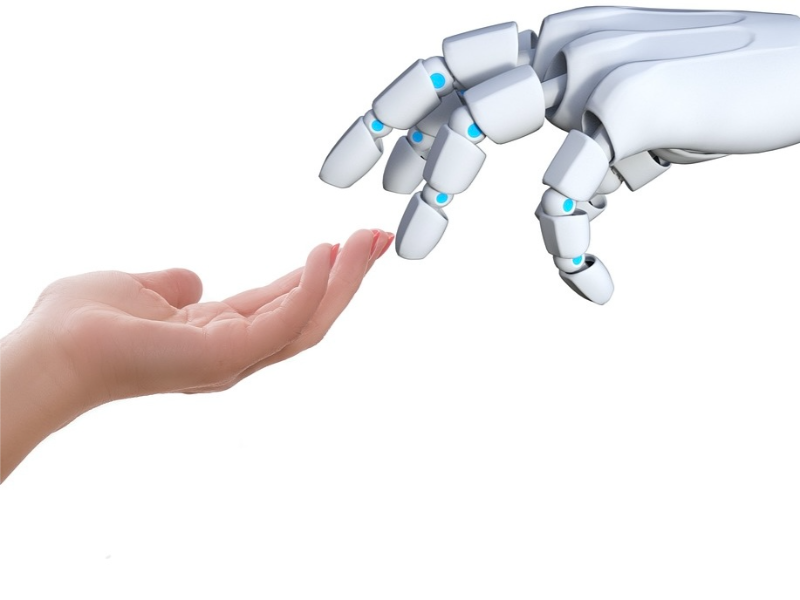
Looking ahead, the future of AI in emotionally sensitive fields will likely involve a hybrid approach—one where AI supports human workers rather than replacing them. AI’s capacity to analyze large amounts of data and identify patterns can be useful in detecting emotional shifts and providing insights, but humans will remain essential for providing the nuanced emotional understanding that machines cannot.
For example, Woebot could be effective for users who need quick advice or tools to manage stress or mild anxiety. But for deeper emotional issues, a human therapist would be necessary to offer personalized care. Similarly, AI-powered customer service bots could triage initial inquiries, but human agents will still be needed to handle sensitive situations that require empathy and nuanced judgment.
Ultimately, AI will not replace human emotional intelligence but will enhance our ability to respond to emotional needs in ways that were previously not possible.
Quiz answer
B. AI is only able to recognize basic emotions but struggles to comprehend the underlying complexities of human feelings.