
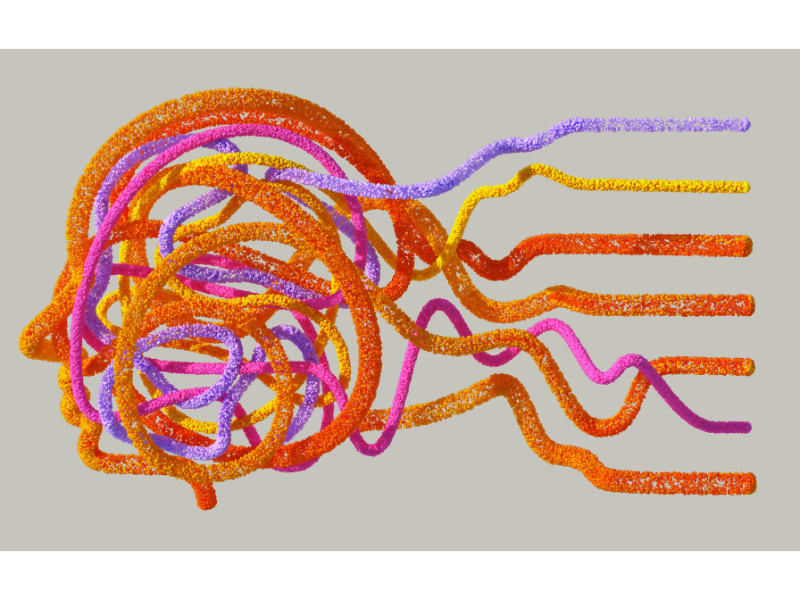
- As artificial intelligence weaves its way into creative sectors like art, music, and literature, industry leaders are divided: some see it as an existential threat, while others envision a tool to enhance creative expression.
- This feature examines the unexpected rift in opinions among creatives, where a complex interplay of scepticism, optimism, and ethical questions challenges the narrative that AI and the creative industry are at odds.
While giants like Penguin Random House and The New York Times have taken a staunch stand against AI, implementing sweeping bans on its access to their works or even launching lawsuits, other industry players, such as Reuters and Universal Music Group (UMG), are forging ahead with AI partnerships. They believe they can strike a balance by developing what they term “ethical” AI—technology that not only complements but also honours human creativity. As these factions clash, we must ask: Are creative industries truly united in their opposition to AI, or is a more complex tapestry of collaboration beginning to take shape?
The pushback: Why some creatives resist AI
The rise of artificial intelligence in the creative industry is no longer just a futuristic notion but a pressing reality that artists are now navigating as AI steadily permeates their domains. As the debate unfolds, one thing is clear: the conversation surrounding AI’s impact on creativity is as diverse as the creators themselves. Artists, creatives, and technologists are increasingly examining how AI can be harnessed responsibly, prompting a re-evaluation of what it means to be creative in an age where machines can generate art, compose music, and even craft narratives.
Reader Quiz:
What does multi-award-winning artist Doddz see as the main benefit of using AI in his art creation process?
A) Replacing traditional art forms with AI-generated art
B) Creating entirely new art styles with AI alone
C) Automating repetitive tasks to focus more on creativity
D) Generating art without the need for any human input
(Answer to be revealed in the final section)
Resistance to AI in creative fields often stems from concerns about originality, copyright, and authenticity. Visual artists, writers, and musicians are not only questioning what role, if any, AI should play in creative work, but are also confronting the real possibility that the art they create could become the very source material for an automated process poised to replicate their unique contributions. This sense of vulnerability is driving a resistance movement within the creative community, with lawsuits, protests, and ethical debates aimed at holding AI developers accountable for unauthorised use of artists’ work.
Many artists see AI as a kind of “outsider” that has suddenly infiltrated their world. Justin Barnes, Executive Creative Director at Versus, believes that the rapid advancement of generative AI has left many artists feeling overwhelmed and initially sceptical. “I think the reason why everybody’s so scared is because AI was so quick and started advancing just kind of out of nowhere that it didn’t give artists and creatives, or anyone, the time to sort of take it in,” he says.
This sentiment resonates across various artistic sectors, where creators fear that AI, with its vast data-scraping and reproduction capabilities, threatens the authenticity and originality that define their professions. Such concerns are not isolated; they echo widely across the publishing, music, and film industries, where companies are increasingly wary of AI encroachment.
“I think the reason why everybody’s so scared is because AI was so quick and started advancing just kind of out of nowhere that it didn’t give artists and creatives, or anyone, the time to sort of take it in”
Justin Barnes, Executive Creative Director at Versus
Since 2021, when AI tools like DALL-E and Midjourney began gaining popularity, lawsuits have cited AI’s tendency to use copyrighted material without prior consent. Yet, the legal landscape is murky, and the ethical debate over what constitutes fair AI training remains unresolved. Creatives are thus pushing back against the technical implications of AI in an era where regulations lag far behind innovations, and creators’ rights feel like an afterthought in a quest for AI-driven profit.
Embracing the change: The case for AI’s place in the creative industry
A growing faction of industry giants argues for its place as a collaborator rather than a competitor. This approach is led by companies like UMG, which is partnering with firms such as KLAY to advocate for “ethical AI”—a concept grounded in intellectual property respect and the idea that AI should support rather than replace human creators. The goal, they argue, isn’t to compromise artistic integrity but to use AI as an instrument that can amplify the creative process.
Creatives like NYU Tisch School of the Arts graduate, Cansu Peker, see AI as a medium with potential—though one that needs careful handling. Peker acknowledges that while some AI-generated work can seem soulless or repetitive, “like any other art form, it can evoke emotions, challenge norms, and provoke thought.” Her perspective highlights a broader shift: creatives are exploring ways to integrate AI into their workflows in ways that enhance, not replace, their vision.
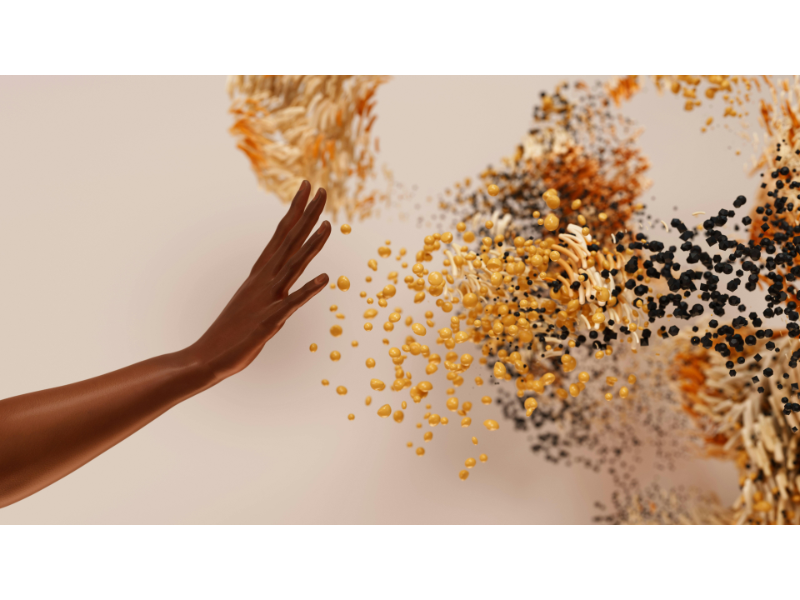
Barnes echoes this view, noting that “putting AI in the hands of someone who understands digital tools will result in stronger work with a clear vision and greater depth. The experience needed to refine and adapt AI output is key—it’s not just about prompting AI, but about shaping it to align with personal vision.” His sentiment captures a growing understanding that experienced creators can leverage AI to complement their skills rather than undermine them.
Multi-award-winning artist Doddz, a globally regarded Augmented Reality creators, shares his experiences. “With the introduction of AI into my BTS process, it’s been like gaining a new tool that extends my capabilities exponentially. AI has been a game changer by teaching me coding with personalised tutorials, which has opened up new avenues for creating more dynamic art experiences,” he explains. Doddz believes that AI can handle repetitive tasks, allowing artists to focus more on conceptualisation and creativity.
“AI can take over the more repetitive parts of the creative process, allowing artists like me to focus more on the essence of our work—conceptualisation and creativity,” he adds.
“AI has been a game changer by teaching me coding with personalised tutorials, which has opened up new avenues for creating more dynamic art experiences.”
Doddz, Augmented Reality creators
Leaders in the industry, such as Adobe, have made strides in setting standards for ethical AI usage. Adobe’s model is trained exclusively on licensed or public-domain content, ensuring that artists’ work isn’t unwittingly co-opted. As Barnes points out, “Adobe is pushing AI in the right direction by relying on Adobe Stock for training data and respecting artists’ work.” This cautious approach contrasts sharply with the practices of many other tech firms, where data sourcing is often opaque.
A growing number of artists and companies alike are coming to see AI as another tool in their arsenal, rather than a threat to their livelihoods. This cautious optimism signals a significant shift: instead of dismissing AI outright, the industry is increasingly focused on embedding it responsibly, with an eye towards enhancing human creativity.
Optimism! With a dash of caution
The tension between creative expression and artificial intelligence is as complex as it is divisive. Barnes believes there’s a path to ethical AI if models are developed with transparent consent from artists. “If there’s a way for artists to contribute their work to training datasets and receive compensation, that’s the approach we should aim for,” he says. Many creatives agree, pointing out that recognition and fair compensation for artists are essential to sustainable AI use.
However, they also recognise that the current data-sourcing practices make this challenging, raising doubts about whether “ethical AI” is really feasible or just an aspirational label.
Doddz also weighs in on this ethical dilemma, expressing a mix of caution and optimism. “When it comes to AI learning from an image database that includes my work, I have mixed feelings. The artist in me doesn’t enjoy the thought of AI replicating my style without a deeper understanding of the emotions and experiences that go into my art,” he says. Yet, Doddz believes that AI-generated art still lacks the “human touch,” an irreplaceable element that distinguishes his work, making it less threatening. This nuanced viewpoint resonates with other creatives who see AI as a tool with potential but also inherent limitations.
The debate is more than just an industry divide—it’s shaping up as a cultural reckoning. Proponents see AI as a collaborative tool that could enhance artistic processes, while critics view it as a threat to originality and ownership in creative fields. As tech companies like UMG pursue partnerships aimed at “ethical AI,” many remain sceptical, questioning if true ethical standards can coexist with the needs of AI-driven businesses. This nuanced, ongoing conversation reveals the complexities of innovation, where AI’s role in art remains both promising and precarious.
Quiz Answer:
C) Automating repetitive tasks to focus more on creativity