

- AFRINIC has in the past faced legal and governance challenges, impacting IP address management in Africa.
- Corruption allegations, lawsuits, and leadership disputes raised concerns over internet stability.
- A new court appointed official receiver has brought some stability to the organisation with new elections planned in coming weeks and months.
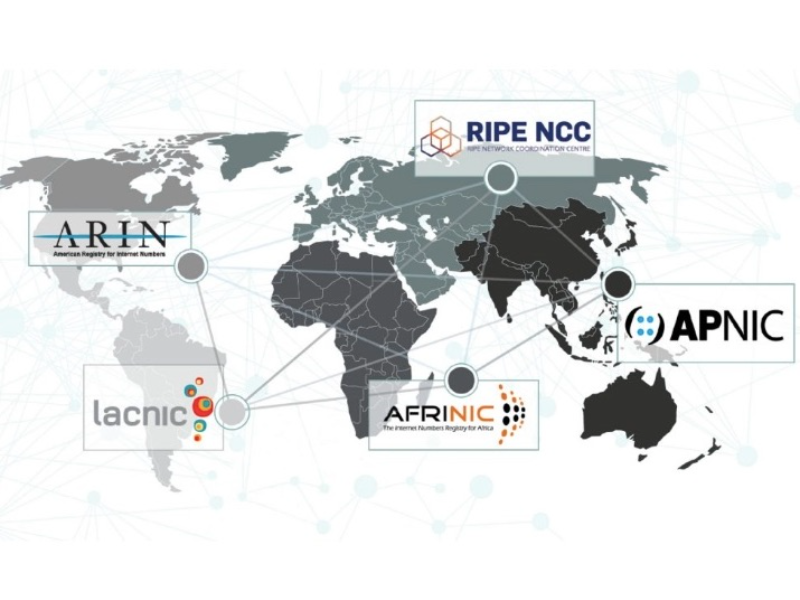
In the rapidly evolving digital landscape of Africa, the African Network Information Centre (AFRINIC) plays a pivotal role in managing and distributing Internet number resources across the continent. As one of the five Regional Internet Registries (RIRs) globally, AFRINIC’s mandate is crucial for the development and sustainability of Africa’s internet infrastructure. However, in recent years, the organization has faced significant challenges, including allegations of corruption, internal disputes, and legal battles, which have raised concerns about its governance and the broader implications for internet growth in Africa.
But recently, a new court-appointed receiver has had his role confirmed with elections slated to take place for a new CEO and board by April 2025.
But what happened at AFRINIC and why does it matter? Let’s take a look.
Also read: What is AFRINIC?
Also read: AFRINIC IPv6 allocations: Is African internet finally stabilising?
Key components of AFRINIC’s operations
AFRINIC is responsible for allocating and managing IPv4 and IPv6 address spaces, Autonomous System Numbers (ASNs), and related services across Africa. As the continent’s Regional Internet Registry (RIR), it ensures the fair distribution of internet resources to ISPs, governments, and businesses.
Beyond resource allocation, AFRINIC supports internet growth, IPv6 adoption, and cybersecurity awareness. Through training programs and policy advocacy, it helps strengthen network development and digital inclusion. Despite governance challenges, AFRINIC remains a key player in Africa’s internet ecosystem, working to expand connectivity and infrastructure. Over the past five years, AFRINIC has been embroiled in several controversies that have impacted its operations and reputation.

Corruption allegations
In December 2019, serious allegations emerged against Ernest Byaruhanga, a former senior executive of AFRINIC (African Network Information Centre), regarding the misappropriation of approximately 4.1 million IP addresses, valued at around $87 million. These allegations claimed that Byaruhanga illicitly took the IP addresses from AFRINIC’s free pool and legacy allocations. It was reported that these addresses were then sold to various entities, including private companies and internet service providers.
The repercussions of this alleged misappropriation were far-reaching, causing significant disruptions for numerous organizations across Africa. Educational institutions faced challenges in maintaining their online services, while government departments experienced issues with their digital operations. The incident raised concerns about the integrity of IP address management in the region and highlighted vulnerabilities within AFRINIC’s oversight processes.
Additionally, the scandal prompted calls for greater transparency and accountability in how IP addresses are allocated and managed. Stakeholders, including network operators and regulatory bodies, began to scrutinize the processes within AFRINIC to ensure such incidents would not occur in the future. The fallout from these allegations has underscored the critical importance of effective governance in the management of internet resources in Africa.
Sexual harassment claims
In March 2018, Vymala Poligadu, the former Head of External Relations at AFRINIC (African Network Information Centre), filed a formal complaint alleging sexual harassment against key executives, including then-Chairman Sunday Folayan, Vice-Chairman Hytham El-Nakhal, and Chief Financial Officer Patrisse Deesse. The allegations not only detailed inappropriate behaviour but also pointed to a broader toxic work environment within the organization.
The gravity of the claims led to significant repercussions, culminating in the resignations of both Folayan and El-Nakhal. This incident prompted further scrutiny of AFRINIC’s internal policies and procedures regarding workplace conduct. Many stakeholders expressed concern over the organization’s commitment to effectively addressing allegations of misconduct and ensuring a safe work environment for all employees. The incident highlighted the need for stronger governance and accountability measures within AFRINIC to prevent similar occurrences in the future.
Legal disputes
AFRINIC has been embroiled in legal disputes, particularly with Cloud Innovation (CI) since July 2021. The conflict originated when AFRINIC sought to revoke over 6 million IP addresses allocated to CI, alleging violations of its policies regarding address usage and management. This move triggered a protracted legal battle that resulted in the freezing of AFRINIC’s bank accounts by the Mauritian Supreme Court, significantly hindering its operational capabilities.
The financial restrictions imposed by the court not only affected AFRINIC’s day-to-day functions but also raised concerns about its ability to fulfill its mandate as a regional internet registry. While some interim resolutions have been achieved, the litigation remains ongoing, highlighting the intricate challenges associated with IP address management and governance. This situation underscores the need for clear policies and effective dispute resolution mechanisms within the organization to navigate such complexities in the future.
Also read: Supreme Court ruling on AFRINIC: New members no rights, elections by June 2025
Also read: AFRINIC Official Receiver reinstated, elections to go ahead by end of year
AFRINIC’s establishment is a significant milestone for the development of the African Internet; it provides us with a platform for self-managing IP resources.
Dr. Nii N. Quaynor (African Internet Pioneer)
The current state of AFRINIC
As of February 2025, AFRINIC was placed under receivership, having had a previous receivership contested. Now confirmed by the Court, this measure underscores the critical state of affairs, including ongoing legal disputes and operational inefficiencies that have plagued the organization in recent years.
One important factor in the receiver’s role is to establish elections to create a new board and CEO by 25 April 2025.
The receivership has prompted urgent calls for comprehensive reforms aimed at restoring trust and functionality within AFRINIC. Industry experts and stakeholders are advocating for improved governance structures and transparent processes to ensure effective management of internet resources. This situation highlights the necessity for a robust framework that can address both the current challenges and future demands of the rapidly evolving digital landscape in Africa. The outcome of this receivership will be pivotal in shaping the future of internet governance on the continent.
We must confront internal governance issues to ensure we can effectively support Africa’s digital future.
Eddy Kayihura (former CEO of AFRINIC)
Pop quiz
What is the primary role of AFRINIC?
A) To regulate internet service providers in Africa
B) To allocate and manage IP addresses in Africa
C) To provide cybersecurity services for African governments
D) To develop and sell internet infrastructure equipment
The correct answer is at the bottle of the artical.
The future of AFRINIC and its impact on African internet development
The challenges confronting AFRINIC have profound implications for the future of internet development across Africa. Effective and transparent management of IP resources is essential for the continent’s digital growth, influencing factors such as internet accessibility, innovation, and overall economic development. Poor governance within AFRINIC can hinder efforts to allocate IP addresses efficiently, potentially stifling growth in key sectors, including technology, education, and e-commerce.
The ongoing issues within AFRINIC underscore the urgent need for robust governance structures and enhanced accountability mechanisms. Stakeholder engagement is crucial to fostering collaboration between governments, private sector players, and civil society. By ensuring that diverse voices are heard, AFRINIC can rebuild trust and establish a more resilient and effective organization. Addressing these challenges is vital for creating a sustainable digital future in Africa, where equitable access to internet resources can drive transformative change and growth.
Transparency and accountability are the cornerstones of Internet governance; AFRINIC needs to make greater efforts in this area to regain the trust of the community.
Pierre Dandjinou (former Chair of AFRINIC)
The never-ending race for internet governance in Africa
The situation with AFRINIC highlights the broader challenges of internet governance in emerging markets. As Africa undergoes rapid digital transformation, the integrity and efficiency of organizations like AFRINIC become increasingly critical. Effective management of IP resources is essential not only for supporting internet growth but also for ensuring equitable access to digital services across the continent.
To navigate these challenges, AFRINIC must prioritize addressing its internal issues, fostering transparency, and engaging with the broader internet community. This engagement includes collaborating with governments, private sector stakeholders, and civil society to build a comprehensive framework for governance. By implementing these essential steps, AFRINIC can enhance its credibility and capacity to fulfill its mandate, ultimately supporting Africa’s digital future and enabling sustainable development in the region.
Also read: What is AFRINIC? The role and challenges of the African Regional Internet Registry
Also read: AFRINIC ELECTIONS TO BE HELD WITHIN SIX MONTHS
FAQs:
AFRINIC is the Regional Internet Registry (RIR) for Africa, responsible for allocating and managing IP address spaces and related resources across the continent.
AFRINIC ensures the fair distribution and management of IP addresses, which are essential for internet connectivity and the growth of digital services in Africa.
AFRINIC has encountered issues including allegations of corruption, internal disputes, and legal battles, leading to concerns about its governance and operational stability.
Instability within AFRINIC can disrupt the allocation of IP resources, potentially hindering internet access, service delivery, and digital innovation across the continent.
Measures include legal proceedings, organizational reforms, and increased stakeholder engagement to restore trust and ensure effective management of Africa’s internet resources.
The situation surrounding AFRINIC underscores the critical importance of robust governance and accountability in organizations that manage vital internet resources. As Africa’s digital landscape continues to evolve, ensuring the stability and integrity of institutions like AFRINIC is essential for sustaining growth, innovation, and inclusivity in the continent’s internet ecosystem.
Quiz answer
B) To allocate and manage IP addresses in Africa