
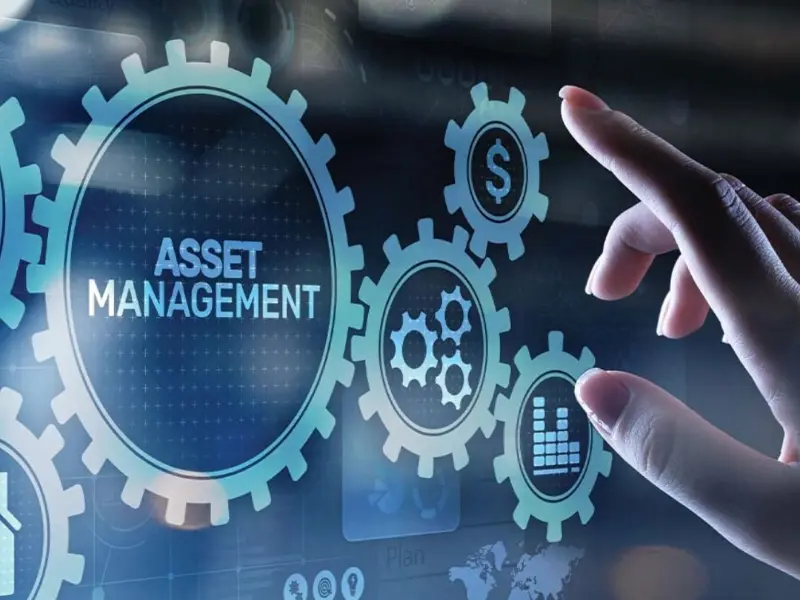
- IT asset management (ITAM) helps organisations reduce unnecessary purchases, optimise asset utilisation, and make informed financial decisions, leading to significant cost savings.
- ITAM ensures all hardware and software are up to date with security patches and compliant with licensing agreements, reducing risks of vulnerabilities and costly penalties.
- By providing a clear overview of IT assets, ITAM streamlines operations, minimises downtime, and supports informed strategic planning for future technology investments and IT infrastructure alignment.
IT asset managementIT Asset Management (ITAM) is a systematic approach to tracking, managing, and optimising the use of technology assets within an organisation. But what exactly is the purpose of IT asset management, and why is it so crucial?
Understanding IT asset management
IT asset management involves the management of an organisation’s hardware, software, and other technology-related assets. It encompasses the entire lifecycle of these assets—from procurement, deployment, maintenance, and upgrades to eventual disposal. ITAM is not just about keeping an inventory; it’s about maximising the value and performance of IT assets while minimising risks and costs.
Key purposes of IT asset management
1. Cost control and optimisation
One of the primary purposes of ITAM is to control and reduce costs. By maintaining a comprehensive inventory of all IT assets, organisations can avoid unnecessary purchases and identify underutilised or obsolete assets. This enables more informed budgeting and financial planning, ensuring that funds are allocated efficiently and that investments in technology deliver maximum value.
2. Asset lifecycle management
ITAM ensures that each asset is tracked throughout its entire lifecycle. This includes procurement, deployment, maintenance, upgrades, and disposal. Effective lifecycle management ensures that assets are used to their full potential, maintained appropriately, and replaced or retired at the right time. This not only extends the useful life of assets but also ensures that they are compliant with relevant regulations and standards.
Also read: Information gain, a crucial metric in data mining
3. Improved security and compliance
Managing IT assets effectively is crucial for maintaining security and compliance. ITAM helps organisations keep track of software licenses, ensuring that they are compliant with licensing agreements and avoiding costly penalties for non-compliance. Additionally, knowing what hardware and software are in use allows IT teams to ensure that all devices and applications are up to date with the latest security patches, reducing the risk of vulnerabilities and data breaches.
4. Enhanced operational efficiency
By having a clear overview of all IT assets, organisations can streamline their operations. ITAM enables better planning and coordination, reducing downtime and disruptions caused by equipment failures or software issues. It also facilitates quicker and more efficient responses to technical problems, as IT teams have immediate access to detailed asset information.
5. Strategic decision making
ITAM provides valuable data and insights that support strategic decision-making. With accurate information about the current state of IT assets, organisations can make informed decisions about future investments, technology upgrades, and IT strategies. This ensures that the IT infrastructure aligns with business goals and adapts to changing needs and market conditions.
6. Improved vendor management
Effective ITAM involves managing relationships with vendors and service providers. By keeping track of warranties, service agreements, and support contracts, organisations can ensure that they are getting the best value from their vendors. It also allows for better negotiation and renegotiation of terms, leading to cost savings and improved service levels.
Also read: 6 obvious benefits of blockchain technology
The purpose of IT asset management extends far beyond simple inventory tracking. It is a critical business practice that supports cost control, operational efficiency, security, compliance, and strategic planning. By implementing robust ITAM processes, organisations can maximise the value of their technology investments, mitigate risks, and ensure that their IT infrastructure supports their overall business objectives.
In a world where technology is constantly evolving, having a well-structured ITAM strategy is not just beneficial—it’s essential. Whether you’re a small business or a large enterprise, effective management of your IT assets will help you stay competitive, agile, and ready to meet the challenges of tomorrow.