Samsung completes first commercial vRAN call, pushing toward AI-native, 6G-ready networks is profiled by BTW Media because published evidence links it to internet infrastructure, governance, operational dependencies, or market visibility.
Samsung completes first commercial vRAN call, pushing toward AI-native, 6G-ready networks is tracked as a internet infrastructure institution within the internet infrastructure ecosystem.
Samsung completes first commercial vRAN call, pushing toward AI-native, 6G-ready networks has public-source relevance to network operations, governance, dependency mapping, or market structure.
Samsung completes first commercial vRAN call, pushing toward AI-native, 6G-ready networks has public-source relevance to network operations, governance, dependency mapping, or market structure.
Samsung completes first commercial vRAN call, pushing toward AI-native, 6G-ready networks is tracked as a internet infrastructure institution within the internet infrastructure ecosystem.
Public-source signals support medium-impact monitoring for infrastructure visibility and dependency analysis.
Samsung completes first commercial vRAN call, pushing toward AI-native, 6G-ready networks is profiled by BTW Media because published evidence links it to internet infrastructure, governance, operational dependencies, or market visibility.
Public-source signals support medium-impact monitoring for infrastructure visibility and dependency analysis.
| 0.90–1.00 | A | High — direct sources |
| 0.75–0.89 | A/B | Strong |
| 0.55–0.74 | B/C | Medium |
| 0.35–0.54 | C/D | Weak–medium |
| 0.10–0.34 | D | Weak signal |
| 0.00–0.09 | D | Internal monitoring |
Several public sources
- Samsung has achieved the industry’s first commercial call using its virtualised RAN solution powered by Intel Xeon 6 processors on a live Tier 1 network, affirming vRAN’s readiness beyond lab environments.
- The milestone highlights broader industry efforts to consolidate network functions and prepare for future AI-native and 6G-capable infrastructure, though questions about cost, interoperability and real-world benefits remain.
What happened: First live commercial call validates virtualised RAN performance
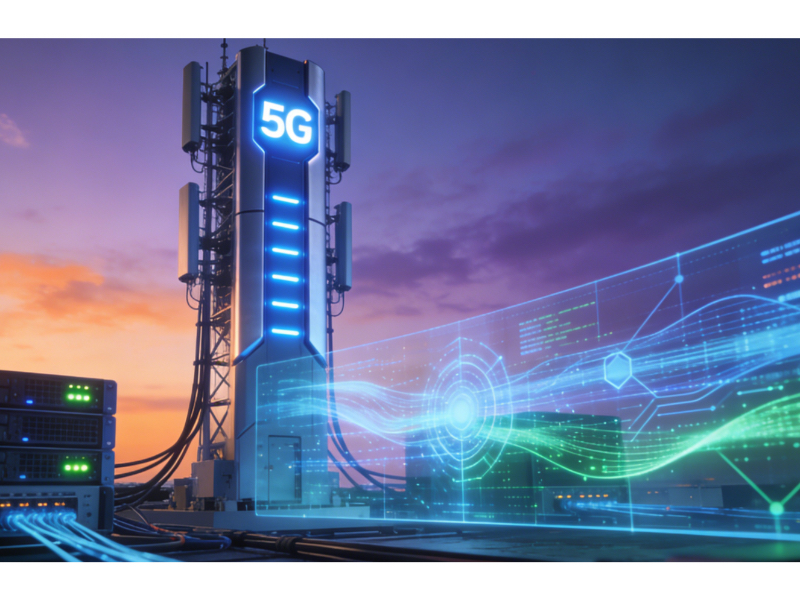
Samsung Electronics has announced a major step forward in mobile network technology by completing what it describes as the industry’s first commercial call using a virtualised radio access network (vRAN) on a live Tier 1 U.S. operator network.
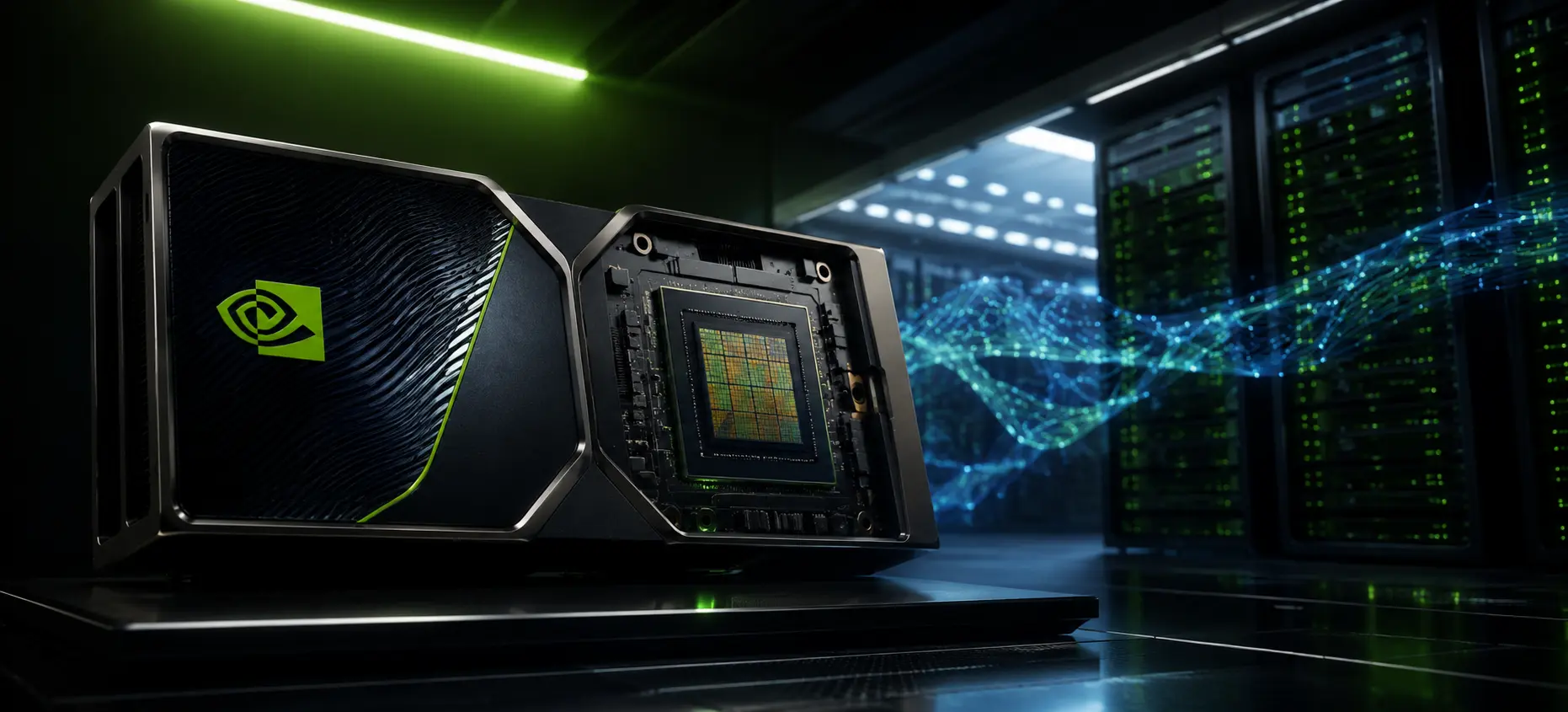
The achievement was made possible through Samsung’s cloud-native vRAN solution running on a single commercial off-the-shelf (COTS) server equipped with Intel’s latest Xeon 6700P-B processors — capable of up to 72 cores and enhanced for AI and network workloads.
This milestone moves beyond Samsung’s earlier lab demonstration with the Intel Xeon 6 system-on-chip, showing the technology can support real-world conditions while consolidating multiple network functions — including mobile core, radio access, transport and security — into fewer physical servers.
In practical terms, such consolidation may lead to reduced complexity and lower infrastructure requirements, as well as potential savings on power, capital and operational expenditure. The vRAN architecture also supports flexibility and automation, key aspects as operators prepare for future AI-native and 6G environments where networks are expected to be more intelligent and software-driven.
The demonstration used a cloud platform from Wind River and hardware provided by Hewlett Packard Enterprise, illustrating the collaborative nature of next-generation network deployments and the reliance on ecosystem partners.
Also Read: Samsung profit nearly triples on AI chip boom
Also Read: Samsung Electronics touts HBM4 progress as memory market competition intensifies
Why it’s important
Virtualisation of network components has long been touted as a way to improve efficiency and scalability in mobile systems. Samsung’s commercial call shows that vRAN, combined with powerful off-the-shelf processors, is moving from theory into operational reality.
For operators, the ability to run multiple functions on fewer servers could reduce infrastructure footprints and improve manageability, particularly as networks scale for data-intensive services and automation. Analysts note that this could be an important step toward more cloud-native network architectures.
However, achieving the first live commercial call is not the same as widespread deployment, and uncertainty remains about how quickly operators will adopt single-server vRAN models at scale. Factors such as interoperability with existing equipment, the cost of migration, and the diverse requirements of regional markets could slow uptake.
Another aspect is sustainability. While Samsung and partners suggest that vRAN can reduce energy consumption and operational costs, independent assessments will be essential to verify whether such benefits materialise across different network environments and traffic loads.
At A Glance
- Name: Samsung completes first commercial vRAN call, pushing toward AI-native, 6G-ready networks
- Type: Internet infrastructure institution
- Base: Global
- Profile focus: Institution
What It Does
- Public records support monitoring of its role, services, and key relationships.
Why It Matters
- Public-source signals support medium-impact monitoring for infrastructure visibility and dependency analysis.
- Operational criticality: Medium
- Time horizon: Next quarter
What To Watch
- Monitoring focuses on verified service continuity, governance changes, and relationship signals.
Track verified source updates, role changes, and current public evidence.
Public-source signals support medium-impact monitoring for infrastructure visibility and dependency analysis.
Longer-term relevance depends on verified operating, policy, and relationship changes.
Member Briefing
Deeper Profile Context
Login is required to unlock the full profile briefing and source notes.
Only for Strategy Circle
Strategic Circle Access
Open to all readers. Unlock profile briefings after joining and logging in.
Join Strategic CircleOnly for Leadership Alliance
Leadership Alliance Access
For owners and management of IP-holding companies. Login required to unlock.
Join Leadership Alliance