Apple faces $20B risk as Google antitrust ruling looms is profiled by BTW Media because published evidence links it to internet infrastructure, governance, operational dependencies, or market visibility.
Apple faces $20B risk as Google antitrust ruling looms is tracked as a internet infrastructure institution within the internet infrastructure ecosystem.
Apple faces $20B risk as Google antitrust ruling looms has public-source relevance to network operations, governance, dependency mapping, or market structure.
Apple faces $20B risk as Google antitrust ruling looms has public-source relevance to network operations, governance, dependency mapping, or market structure.
Apple faces $20B risk as Google antitrust ruling looms is tracked as a internet infrastructure institution within the internet infrastructure ecosystem.
Public-source signals support medium-impact monitoring for infrastructure visibility and dependency analysis.
Apple faces $20B risk as Google antitrust ruling looms is profiled by BTW Media because published evidence links it to internet infrastructure, governance, operational dependencies, or market visibility.
Public-source signals support medium-impact monitoring for infrastructure visibility and dependency analysis.
| 0.90–1.00 | A | High — direct sources |
| 0.75–0.89 | A/B | Strong |
| 0.55–0.74 | B/C | Medium |
| 0.35–0.54 | C/D | Weak–medium |
| 0.10–0.34 | D | Weak signal |
| 0.00–0.09 | D | Internal monitoring |
Several public sources
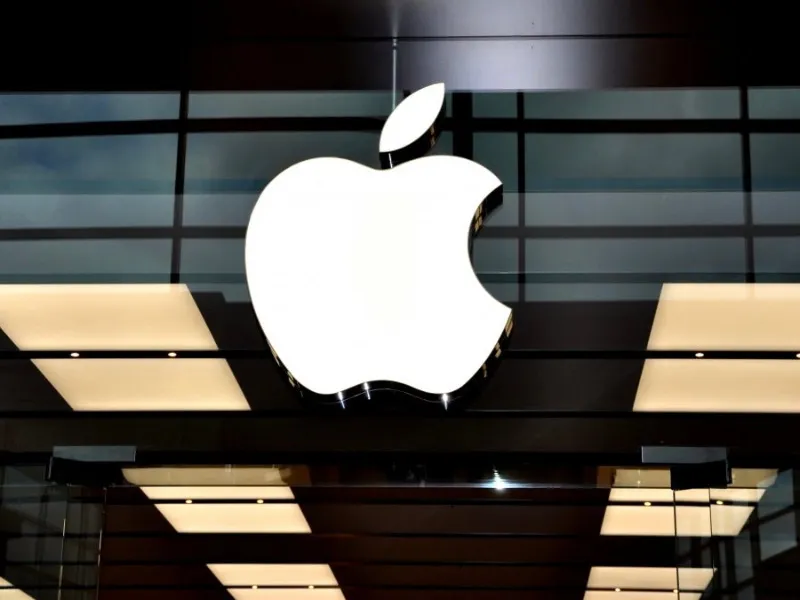
Apple’s lucrative deal with Google is under threat after a U.S. judge ruled that the Alphabet-owned search giant operates as an illegal monopoly. The antitrust ruling against Google is not just a potential financial hit for Apple but also a critical turning point that could reshape its strategy in the digital and AI-driven future. OUR TAKE If the antitrust ruling against Google really leads to Apple losing its annual revenue of $20 billion, it will be a huge blow. Remember the antitrust case involving Microsoft’s bundling of IE browser with its Windows system? Now, Apple must conpublic-source context its response whether to continue relying on Google’s search advertising revenue or seize this opportunity to bolster its own AI search technology. After all, OpenAI’s ChatGPT has ignited new hopes for Apple. This is not merely a challenge but also an opportunity for transformation. Apple might leverage this moment to make Siri more intelligent and even launch its own search product, completely severing its dependence on Google. In the tech world, there are no permanent winners; only those who continually adapt to change can remain invincible. –Miurio huang, BTW reporter What happened Apple’s lucrative deal with Google is under threat after a U.S. judge ruled that the Alphabet-owned search giant operates as an illegal monopoly. This ruling suggests that Google might need to terminate the agreement which currently makes its search engine the default on Apple devices. Wall Street analysts have pointed out that Google pays Apple about $20 billion annually, which accounts for approximately 36% of Google’s revenue from search advertising conducted via the Safari browser. If this deal is undone, it could significantly impact Apple’s profits, with analysts estimating a 4-6% hit. The existing contract is valid until at least September 2026, with Apple having the right to extend it unilaterally for another two years. Evercore ISI analysts commented, “The most likely outcome now is the judge rules Google must no longer pay for default placement or that companies like Apple must proactively prompt users to select their search engine rather than setting a default and allowing consumers to make changes in settings if they wish.” On Tuesday, Apple’s shares remained flat, underperforming compared to the broader market’s recovery from Monday’s global selloff. Alphabet’s stock showed little change after a 4.5% decline in the previous session. Also read: Apple bets on AI for iPhone boost amidst faltering China sales Also read: What network protocols are used by Apple systems today? Why i t’s i mportant This ruling has significant implications for both Google and Apple. The $20 billion annual payment from Google represents a substantial portion of Apple’s profits, and the potential loss of this revenue could lead to a notable decrease in Apple’s financial performance. Herbert Hovenkamp, a professor of law at the University of Pennsylvania, highlighted the broader lesson: “The message here is that if you’ve got a dominant market position with a product, you’d better avoid the use of exclusive agreements and make sure any agreement you make gives the buyer free choice to substitute away.” The legal process to resolve this issue could be lengthy, involving appeals that might extend into 2026. However, if the agreement is terminated, Apple will have to explore alternative strategies. This might include offering other search engine options like Microsoft Bing or developing a new search product powered by OpenAI. Analysts agree that the ruling will likely expedite Apple’s shift towards AI-powered search services, as evidenced by their recent announcement to integrate OpenAI’s ChatGPT chatbot into their devices. Apple’s shift away from exclusive deals can help mitigate regulatory scrutiny and promote innovation. The company has already initiated talks with Google to add the Gemini chatbot and plans to incorporate other AI models. Additionally, Apple is enhancing Siri with advanced AI to handle complex tasks, which could potentially open new revenue streams. Gadjo Sevilla, an analyst at Emarketer, remarked, “Apple could see this as a temporary setback, especially since it earns a lot from the Google search deal, but it is also an opportunity for them to pivot to AI solutions for search.” The antitrust ruling against Google is not just a potential financial hit for Apple but also a critical turning point that could reshape its strategy in the digital and AI-driven future.
At A Glance
- Name: Apple faces $20B risk as Google antitrust ruling looms
- Type: Internet infrastructure institution
- Base: Asia Pacific
- Profile focus: Institution
What It Does
- Public records support monitoring of its role, services, and key relationships.
Why It Matters
- Public-source signals support medium-impact monitoring for infrastructure visibility and dependency analysis.
- Operational criticality: Medium
- Time horizon: Next quarter
What To Watch
- Monitoring focuses on verified service continuity, governance changes, and relationship signals.
Track verified source updates, role changes, and current public evidence.
Public-source signals support medium-impact monitoring for infrastructure visibility and dependency analysis.
Longer-term relevance depends on verified operating, policy, and relationship changes.
Member Briefing
Deeper Profile Context
Login is required to unlock the full profile briefing and source notes.
Only for Strategy Circle
Strategic Circle Access
Open to all readers. Unlock profile briefings after joining and logging in.
Join Strategic CircleOnly for Leadership Alliance
Leadership Alliance Access
For owners and management of IP-holding companies. Login required to unlock.
Join Leadership Alliance