
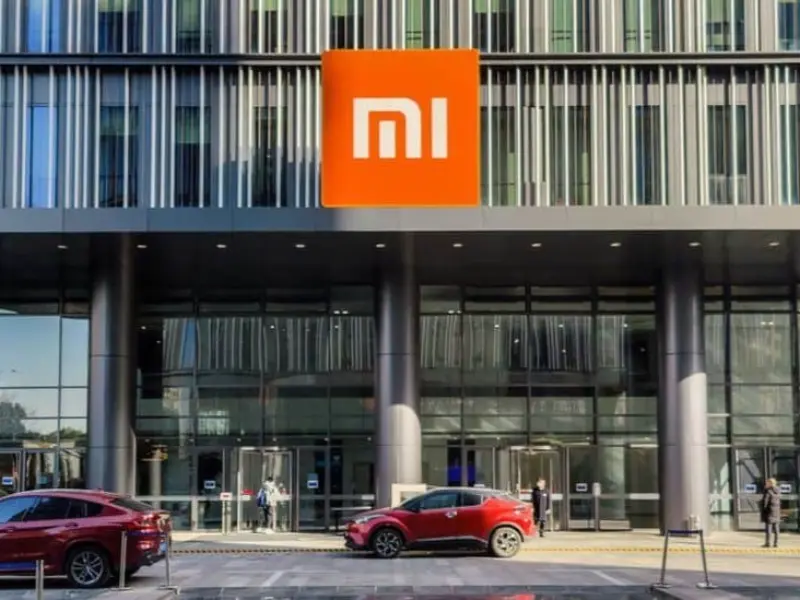
- Xiaomi has bought a 53-hectare (131-acre) plot in Beijing's Yizhuang district for $116 million to expand production of high-end automobiles and "new energy intelligent vehicles."
- The purchase, made through subsidiary Xiaomi Jingxi Technology Ltd, follows the company's July win of an independent car manufacturing licence — ending its reliance on state-owned BAIC Motor Corporation's permit.
OUR TAKE
Land is the least glamorous thing a car company can buy, and the clearest proof it intends to stay. Xiaomi spent $116 million on dirt next door to its own factory, but the real trophy was the manufacturing licence it no longer has to borrow from BAIC. Add 30,000 cars already delivered and a 100,000 target pulled forward, and the picture sharpens: while weaker Chinese EV hopefuls ran out of cash, Xiaomi ran out of floor space. That is the best problem in this industry to have.
–Vicky Wu, BTW reporter
What happened: Xiaomi buys 53 hectares in Yizhuang
Chinese technology giant Xiaomi Corporation has acquired a 53-hectare (131-acre) plot of land in Beijing for $116 million. According to filings published by the Beijing Municipal Commission of Planning and Natural Resources, the site sits beside Xiaomi's existing electric vehicle factory in the Yizhuang district and will host development of high-end automobiles and new energy intelligent vehicles. The buyer is Xiaomi's subsidiary, Xiaomi Jingxi Technology Ltd.
Xiaomi entered the automotive sector in March with the launch of its base-model SU7 sedan, priced at 215,900 yuan. The company has already delivered 30,000 vehicles and is tracking toward its initial 100,000-sales target by November — ahead of schedule. Chief executive Lei Jun has attached a $10 billion investment plan to the ambition of becoming a serious player in electric vehicles.
Also read: Xiaomi's SU7 buyers face up to 7-month wait
Also read: China's Xiaomi joins the EV race with 'dream car' to take on Tesla
Why it's important: capacity, licences and the Chinese EV shakeout
The land deal is the boring half of the story. The interesting half is the licence. In July, Xiaomi secured an independent car manufacturing qualification, meaning it no longer needs to manufacture under BAIC Motor's permit. A borrowed permit makes you a tenant in your own industry; your own licence makes you a manufacturer. Everything Xiaomi does from here — factory phases, model lines, export plans — is built on that shift from guest to owner.
From phone maker to car maker in eighteen months
Xiaomi's push into vehicle production is a deliberate diversification away from a handset business that has matured, and into a market that is still expanding despite the phasing out of national EV purchase subsidies in 2022. Its arrival contrasts sharply with the carnage among domestic rivals: WM Motor has gone bankrupt, and Human Horizons' HiPhi brand has halted production. Xiaomi's advantage was never automotive heritage — it was cash, distribution, a fan base and the discipline to ship.
The 2025 plan: a Model Y rival and a second factory phase
The new plot signals that Xiaomi intends to convert demand into volume rather than ration it. The company plans to begin production of a sport utility vehicle comparable to Tesla's Model Y as early as 2025, with the second phase of its car factory scheduled for completion the same year. Phase one currently carries an annual production capacity of 150,000 cars — a number that looks increasingly like a ceiling Xiaomi wants to raise, not a target it wants to defend.
For China's automotive industry, the significance runs beyond one company's balance sheet. A consumer-electronics entrant has moved from announcement to licence to land purchase to delivery queue in roughly a year and a half, while better-funded legacy hopefuls stalled. That is what the next phase of the EV transition rewards: not the loudest launch event, but the shortest distance between a signed contract and a car leaving the gate.
Xiaomi has now bought the dirt, the permit and the waiting list. The only thing left to buy is time — and Beijing just sold it a little more of that.




