
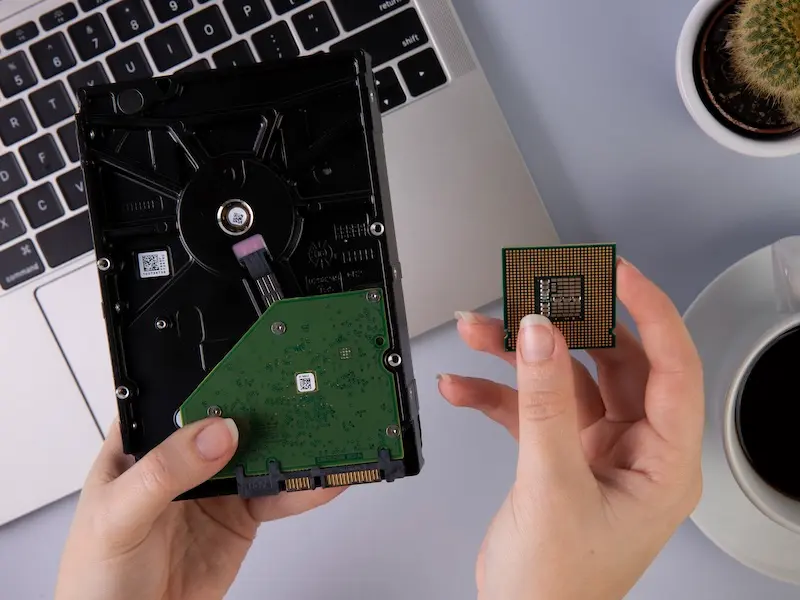
- Embedded devices typically use specialised operating systems designed for efficiency and real-time performance.
- These operating systems are tailored to the specific needs of the device, balancing resource constraints with functionality.
What are embedded operating systems?
Embedded operating systems (OS) are a type of operating system designed specifically for embedded devices, which often have limited resources such as memory, processing power, and energy. Unlike general-purpose operating systems like Windows or Linux, embedded OS are streamlined to perform specific tasks efficiently, often in real-time environments. These systems are crucial for the reliable and consistent operation of embedded devices.
Types of embedded operating systems
Embedded operating systems come in various forms, each suited to different applications and requirements. Below are some of the most common types, highlighting their unique features and use cases.
Real-time operating systems (RTOS): Real-time operating systems are designed to process data and execute tasks within a strictly defined time frame. These systems are commonly used in applications where timing is critical, such as automotive control systems, industrial automation, and medical devices. RTOS ensures that high-priority tasks are completed on time, making them ideal for environments where delays could lead to failure or safety issues.
Embedded Linux: Embedded Linux is a popular choice for many embedded devices due to its flexibility, scalability, and open-source nature. It is a lightweight version of the Linux operating system, customised for specific embedded applications. Embedded Linux is used in a wide range of devices, from consumer electronics like smart TVs and routers to industrial equipment. Its adaptability and robust community support make it a versatile option for developers.
Bare metal: In some cases, embedded systems operate without a formal operating system, often referred to as “bare metal.” In these systems, the application code runs directly on the hardware without an intervening OS layer. This approach is used in very resource-constrained environments where every bit of performance and memory is crucial. While bare metal systems can be highly efficient, they are also more complex to develop and maintain.
TinyOS: TinyOS is an open-source, component-based operating system designed for low-power wireless devices, such as sensor networks. It is specifically engineered to operate on devices with extremely limited resources, such as those used in environmental monitoring or smart cities. TinyOS is known for its small footprint and ability to manage concurrent operations with minimal overhead, making it ideal for energy-efficient, distributed systems.
Also read: Boot-optimised storage solutions: Enhancing system performance
Also read: Qualcomm unveils AI-Ready IoT platform at Embedded World 2024
Choosing the right embedded operating system
Selecting the appropriate embedded operating system depends on several factors, including the device’s purpose, resource availability, and performance requirements. Here’s how these considerations influence the choice of an OS.
Resource constraints: Embedded devices often operate with limited memory, processing power, and energy. The OS must be lightweight and optimised to make the best use of available resources. For instance, RTOS and TinyOS are specifically designed to operate within these constraints, making them suitable for real-time and low-power applications.
Real-time performance: In applications where timing is critical, such as automotive or medical systems, an RTOS is usually the preferred choice. These systems prioritise tasks based on urgency, ensuring that high-priority processes are executed promptly, which is essential for maintaining safety and functionality.
Scalability and flexibility: For devices that require a high degree of customisation or need to support various applications, an OS like Embedded Linux offers the necessary flexibility. Its modular design allows developers to include only the components required for the specific application, reducing overhead while maintaining functionality.
Ease of development and support: The availability of development tools, community support, and documentation can also influence the choice of an embedded OS. Open-source systems like Embedded Linux benefit from a large developer community, providing extensive resources and support, which can be a significant advantage during development.
The type of operating system used in embedded devices is crucial for ensuring their efficiency, reliability, and performance. From real-time operating systems that guarantee timely execution of tasks to lightweight solutions like TinyOS and bare metal systems, the choice of OS is tailored to the specific needs of the device. Understanding the different types of embedded operating systems helps in making informed decisions that align with the device’s functionality and constraints.