
What is server virtualisation and why do we use it? is profiled by BTW Media because published evidence links it to internet infrastructure, governance, operational dependencies, or market visibility.
What is server virtualisation and why do we use it? is tracked as a internet infrastructure institution within the internet infrastructure ecosystem.
What is server virtualisation and why do we use it? has public-source relevance to network operations, governance, dependency mapping, or market structure.
What is server virtualisation and why do we use it? is tracked as a internet infrastructure institution within the internet infrastructure ecosystem.
Public-source signals support medium-impact monitoring for infrastructure visibility and dependency analysis.
What is server virtualisation and why do we use it? is profiled by BTW Media because published evidence links it to internet infrastructure, governance, operational dependencies, or market visibility.
Public-source signals support medium-impact monitoring for infrastructure visibility and dependency analysis.
| 0.90–1.00 | A | High — direct sources |
| 0.75–0.89 | A/B | Strong |
| 0.55–0.74 | B/C | Medium |
| 0.35–0.54 | C/D | Weak–medium |
| 0.10–0.34 | D | Weak signal |
| 0.00–0.09 | D | Internal monitoring |
Several public sources
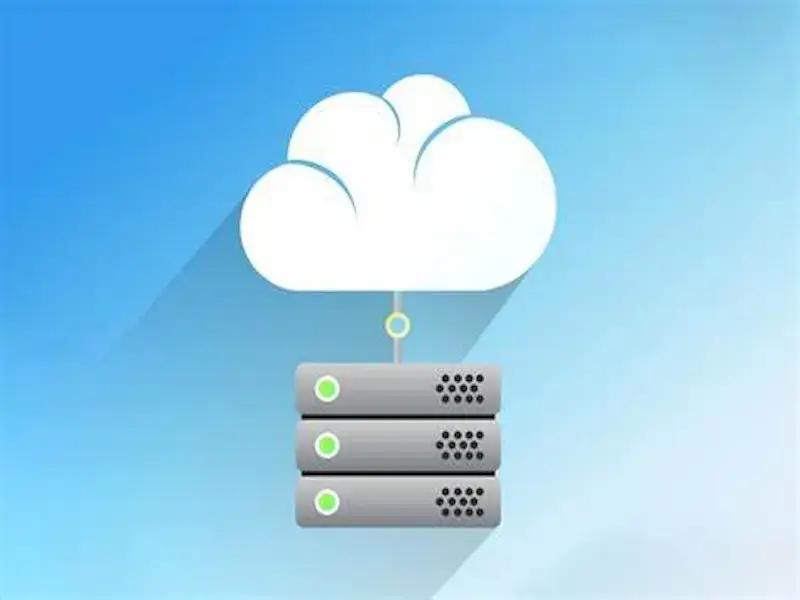
- Server virtualisation maximises the use of physical hardware by running multiple virtual servers on a single machine.
- It reduces costs, enhances flexibility, and improves disaster recovery options for IT infrastructures.
What is server virtualisation?
Server virtualisation is a technology that allows a single physical server to run multiple isolated virtual servers, each capable of operating its own operating system and applications. This is done through a hypervisor, software that sits between the hardware and the virtual machines (VMs), managing the allocation of resources such as CPU, memory, and storage.
Also read: DataKeepers: Leading the way in virtualisation and cloud solutions
Also read: What is server firmware?
Why do we use server virtualisation?
Maximised resource utilisation: One of the key reasons to use server virtualisation is to optimise hardware resource utilisation. Traditional physical servers often run below capacity, leading to inefficient use of resources. With virtualisation, multiple VMs share the same physical resources, ensuring that servers operate closer to their full capacity. This leads to better performance and a more cost-effective use of existing hardware.
Cost reduction: Server virtualisation significantly lowers costs by reducing the need for physical servers. Fewer servers mean lower expenses related to hardware acquisition, power consumption, cooling, and physical space. Additionally, the ease of managing virtual environments reduces the need for extensive IT staff, further cutting operational costs.
Enhanced flexibility and scalability: Virtualisation provides greater flexibility in managing IT environments. VMs can be easily created, modified, or moved between physical servers without affecting other operations. This flexibility allows businesses to quickly respond to changing demands, scale their IT resources up or down as needed, and deploy new applications without the need for new hardware.
Improved disaster recovery: Server virtualisation enhances disaster recovery capabilities. VMs can be easily backed up, cloned, and restored, allowing for quicker recovery in case of hardware failure or other issues. Virtual environments can also be replicated to off-site locations, ensuring business continuity and minimising downtime during emergencies.
Server virtualisation is a powerful tool that maximises resource utilisation, reduces costs, and provides enhanced flexibility and disaster recovery capabilities. By virtualising servers, organisations can create a more efficient and resilient IT infrastructure, making it a critical component of modern IT strategies.
At A Glance
- Name: What is server virtualisation and why do we use it?
- Type: Internet infrastructure institution
- Base: Global
- Profile focus: Institution
What It Does
- Public records support monitoring of its role, services, and key relationships.
Why It Matters
- Public-source signals support medium-impact monitoring for infrastructure visibility and dependency analysis.
- Operational criticality: Medium
- Time horizon: Next quarter
What To Watch
- Monitoring focuses on verified service continuity, governance changes, and relationship signals.
Track verified source updates, role changes, and current public evidence.
Public-source signals support medium-impact monitoring for infrastructure visibility and dependency analysis.
Longer-term relevance depends on verified operating, policy, and relationship changes.
Member Briefing
Deeper Profile Context
Login is required to unlock the full profile briefing and source notes.
Only for Strategy Circle
Strategic Circle Access
Open to all readers. Unlock profile briefings after joining and logging in.
Join Strategic CircleOnly for Leadership Alliance
Leadership Alliance Access
For owners and management of IP-holding companies. Login required to unlock.
Join Leadership Alliance


