Institution Profiling / Internet infrastructure institution

What is security vulnerability management?

What is security vulnerability management? is tracked as a internet infrastructure institution within the internet infrastructure ecosystem.

What is security vulnerability management?
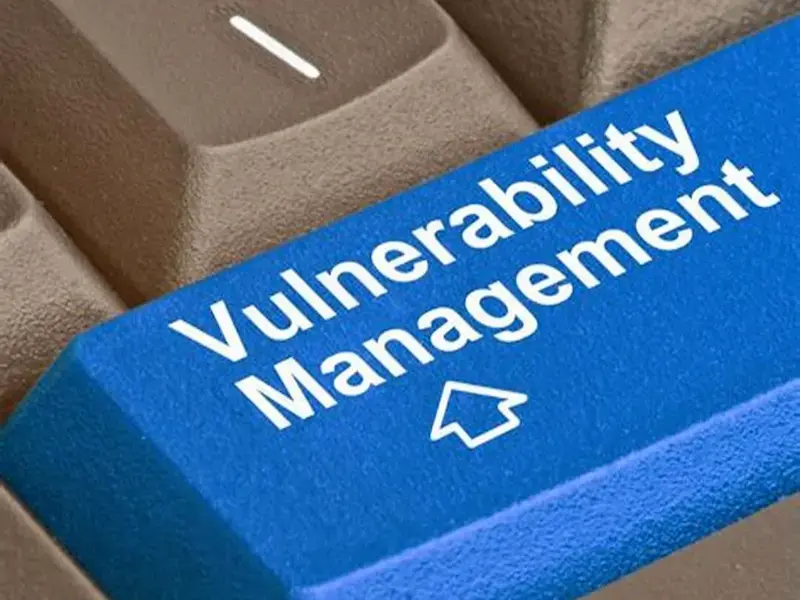
Caption: What is security vulnerability management? visual context for BTW intelligence coverage. · Source context: Existing article media was retained or restored as the subject-specific visual basis. · Relevance reason: What is security vulnerability management? is the primary subject or event subject; the image supports the article's governance reading. · Image provenance: Existing curated article image retained because it is subject- or event-specific and not a generic pool placeholder.

Sources

Public references used for this article.

CategoryInstitution

What is security vulnerability management? is tracked as a internet infrastructure institution within the internet infrastructure ecosystem.

RegionGlobal

What is security vulnerability management? has public-source relevance to network operations, governance, dependency mapping, or market structure.

Signal FocusInternet infrastructure institution

What is security vulnerability management? has public-source relevance to network operations, governance, dependency mapping, or market structure.

Content TypeProfile

What is security vulnerability management? is tracked as a internet infrastructure institution within the internet infrastructure ecosystem.

Primary DomainSecurity

Public-source signals support medium-impact monitoring for infrastructure visibility and dependency analysis.

TopicInternet infrastructure institution

What is security vulnerability management? is profiled by BTW Media because published evidence links it to internet infrastructure, governance, operational dependencies, or market visibility.

ImpactMedium

Public-source signals support medium-impact monitoring for infrastructure visibility and dependency analysis.

Confidence?Confidence Grade
0.90–1.00AHigh — direct sources
0.75–0.89A/BStrong
0.55–0.74B/CMedium
0.35–0.54C/DWeak–medium
0.10–0.34DWeak signal
0.00–0.09DInternal monitoring
Limited confidence (80%)

Several public sources

What is security vulnerability management? is profiled by BTW Media because published evidence links it to internet infrastructure, governance, operational dependencies, or market visibility.

  • Security vulnerability management is a critical component in safeguarding an organisation’s digital assets, focusing on the identification, assessment, and remediation of security vulnerabilities across all IT systems.
  • Security vulnerability management involves a systematic, ongoing process that continuously monitors and manages potential security weaknesses, ensuring that systems remain secure against emerging threats.

What is security vulnerability management?

Security vulnerability management is the practice of systematically identifying, assessing, and mitigating security vulnerabilities within an organisation’s IT infrastructure. The primary goal is to reduce the risk of exploitation by cybercriminals, thereby protecting sensitive data and maintaining the integrity of the organisation’s systems.

Essential for organisational security: Security vulnerability management is a critical component of an organisation’s overall cybersecurity strategy. It involves identifying, evaluating, and addressing vulnerabilities within IT systems to prevent potential security breaches.

Proactive and ongoing process: This process is not a one-time event but a continuous effort to ensure that security weaknesses are promptly managed and mitigated.

Key stages in the security vulnerability management lifecycle

Identification: The first step involves discovering vulnerabilities within the organisation’s IT environment. This can be done through automated scanning tools, manual reviews, or threat intelligence sources. Identification helps to pinpoint weaknesses in software, hardware, and network configurations.

Assessment: After identification, vulnerabilities are evaluated to understand their potential impact and the likelihood of exploitation. This assessment prioritises vulnerabilities based on their severity, potential damage, and the risk they pose to the organisation’s operations.

Remediation: Once assessed, the next stage is to address the vulnerabilities. Remediation actions may include applying patches, updating software, reconfiguring systems, or implementing additional security controls to mitigate the identified risks.

Verification: After remediation efforts are implemented, it is crucial to verify that the vulnerabilities have been effectively resolved. This involves testing and validating that the fixes have been applied correctly and that no new issues have arisen.

Monitoring and reporting: Continuous monitoring is essential to detect new vulnerabilities and ensure ongoing security. Regular reporting provides insights into the organisation’s security posture and helps track the effectiveness of the vulnerability management program.

Also read: Siemens expands management board to drive technology focus

Also read: Unpacking ITSM: The backbone of modern IT management

Importance of security vulnerability management

Effective security vulnerability management helps organisations:

Prevent security breaches: By addressing vulnerabilities before they can be exploited, organisations can avoid data breaches and other security incidents.

Maintain regulatory compliance: Many industries have regulatory requirements for managing security vulnerabilities, and effective management helps ensure compliance.

Protect sensitive information: Mitigating vulnerabilities helps safeguard critical data from unauthorised access and theft.

In summary, security vulnerability management is a vital practice for maintaining robust cybersecurity. It involves a continuous cycle of identifying, assessing, remediating, and monitoring vulnerabilities to protect an organisation’s IT environment from potential threats.

At A Glance

  • Name: What is security vulnerability management?
  • Type: Internet infrastructure institution
  • Base: Global
  • Profile focus: Institution

What It Does

  • Public records support monitoring of its role, services, and key relationships.

Why It Matters

  • Public-source signals support medium-impact monitoring for infrastructure visibility and dependency analysis.
  • Operational criticality: Medium
  • Time horizon: Next quarter

What To Watch

  • Monitoring focuses on verified service continuity, governance changes, and relationship signals.
NowMedium priority

Track verified source updates, role changes, and current public evidence.

QuarterMedium policy sensitivity

Public-source signals support medium-impact monitoring for infrastructure visibility and dependency analysis.

YearNext quarter outlook

Longer-term relevance depends on verified operating, policy, and relationship changes.

Member Briefing

Deeper Profile Context

Login is required to unlock the full profile briefing and source notes.

Only for Strategy Circle

Strategic Circle Access

Open to all readers. Unlock profile briefings after joining and logging in.

Join Strategic Circle

Only for Leadership Alliance

Leadership Alliance Access

For owners and management of IP-holding companies. Login required to unlock.

Join Leadership Alliance
← BackAll Companies