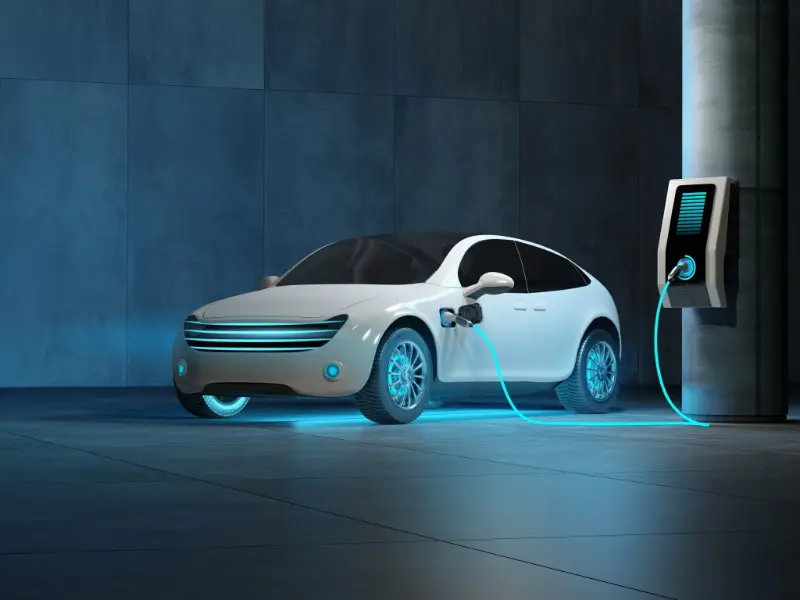
- Electric cars (EVs) use battery-powered electric motors to provide a cleaner, more efficient, and sustainable alternative to traditional gasoline vehicles, with significant advancements in performance and environmental benefits.
- Despite challenges like charging infrastructure and battery costs, innovations such as solid-state batteries, wireless charging, and autonomous driving are shaping the future of electric vehicles, supported by global policies and incentives.
An electric car (EV) is a vehicle powered by electricity instead of traditional gasoline or diesel. EVs utilize electric motors, often supported by lithium-ion battery packs, to deliver a cleaner, quieter, and more efficient driving experience. As the global push for sustainability intensifies, electric cars are becoming the centerpiece of the transition to eco-friendly transportation.
Also read: Canada imposes tariffs on imports of Chinese-made electric cars
Also read: Do electric cars need cooling systems?
- A brief history of electric cars
- How do electric cars work?
- Benefits of electric cars
- Types of electric cars
- Challenges facing electric cars
- Electric cars and renewable energy
- Government policies driving EV adoption
- Innovations in electric car technology
- The future of electric cars
- FAQs: What is an electric car?
A brief history of electric cars
The concept of electric vehicles isn’t new. The first practical EVs were developed in the 19th century, with inventors like Robert Anderson and Thomas Davenport leading the charge. By the early 20th century, electric cars were more popular than their gasoline-powered counterparts due to their smooth operation and lower noise levels.
However, the rise of internal combustion engines (ICE) and the mass production of gasoline vehicles, led by Henry Ford’s Model T, overshadowed electric cars. It wasn’t until the late 20th century, with concerns over pollution and climate change, that electric vehicles began to regain momentum. Today, EVs are at the forefront of innovation, driven by advancements in battery technology and government incentives.
Also read: Audi’s new electric concept car in China debuts without four-ring logo
Also read: BMW overtakes Tesla in European battery electric vehicle market
How do electric cars work?
Electric cars operate on fundamentally different principles from traditional internal combustion engine (ICE) vehicles, making them more efficient, environmentally friendly, and easier to maintain.
Electric Motor
At the heart of an electric vehicle (EV) is an electric motor, which serves as the primary source of propulsion. Unlike an ICE, which burns fuel to create motion, the electric motor converts electrical energy directly into mechanical energy, providing instant torque for smooth and rapid acceleration.
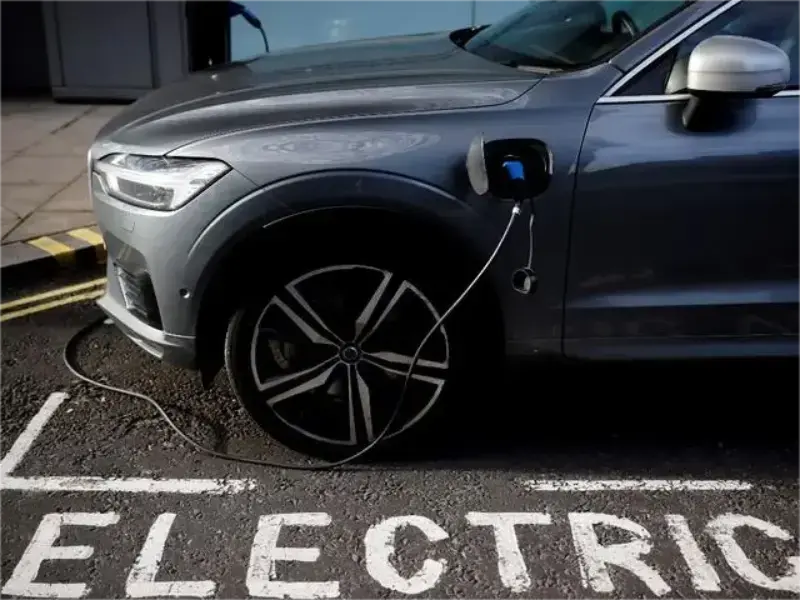
Battery Pack: Electric cars rely on rechargeable battery packs to store energy. Most EVs use lithium-ion batteries due to their high energy density, long lifespan, and lightweight properties. These batteries can be charged at home using a standard outlet, at public charging stations, or through renewable energy systems like solar panels. With advancements in battery technology, charging times are decreasing while range continues to increase, making EVs more convenient for daily use.
Regenerative Braking: One of the innovative features of EVs is regenerative braking, which allows the vehicle to recover energy during deceleration. This captured energy is stored back into the battery, improving overall efficiency and extending driving range.
Power Inverter: To power the electric motor, EVs rely on a power inverter to convert the direct current (DC) stored in the battery into alternating current (AC). This component ensures smooth operation of the motor while optimizing energy use.
EVs are remarkably efficient, converting around 77% of the electrical energy from the grid into motion, compared to only 30% for ICE vehicles. This efficiency underscores their growing appeal as the future of sustainable transportation.
Benefits of electric cars
1. Environmental Impact
Electric cars are zero-emission vehicles, meaning they do not produce greenhouse gases or air pollutants during operation. This makes them a critical tool in reducing carbon footprints and combating global warming, especially when paired with renewable energy sources for charging.
2. Cost Savings
While the upfront cost of EVs may be higher, they offer significant savings in the long run. Electricity is cheaper than gasoline, and with fewer moving parts, EVs require less maintenance. Owners benefit from incentives like tax credits, rebates, and reduced registration fees in many countries.
3. Driving Performance
Electric motors provide instant torque, delivering faster acceleration and a smoother driving experience. Many EVs outperform their ICE counterparts in speed and handling, making them appealing to performance enthusiasts.
Also read: Rimac Nevera R: The next evolution in electric hypercars
The rise of electric vehicles is a cornerstone in our global transition to clean energy. Coupled with renewable power, EVs are pivotal in achieving a sustainable and net-zero future.
Fatih Birol, Executive Director of the International Energy Agency (IEA)
Types of electric cars
Battery Electric Vehicles (BEVs)
These vehicles run solely on electricity and must be charged using an external power source. Examples include the Tesla Model 3 and Nissan Leaf.
Plug-In Hybrid Electric Vehicles (PHEVs)
PHEVs combine an electric motor with a gasoline engine, offering flexibility. They can run on electricity for short distances and switch to gasoline for longer trips. The Toyota Prius Prime is a popular choice in this category.
Hybrid Electric Vehicles (HEVs)
HEVs use both gasoline and electric power but don’t require external charging. Instead, they rely on regenerative braking to recharge the battery. Examples include the Honda Insight and Toyota Camry Hybrid.
Challenges facing electric cars
Despite their advantages, EVs face challenges:
1. Limited Charging Infrastructure
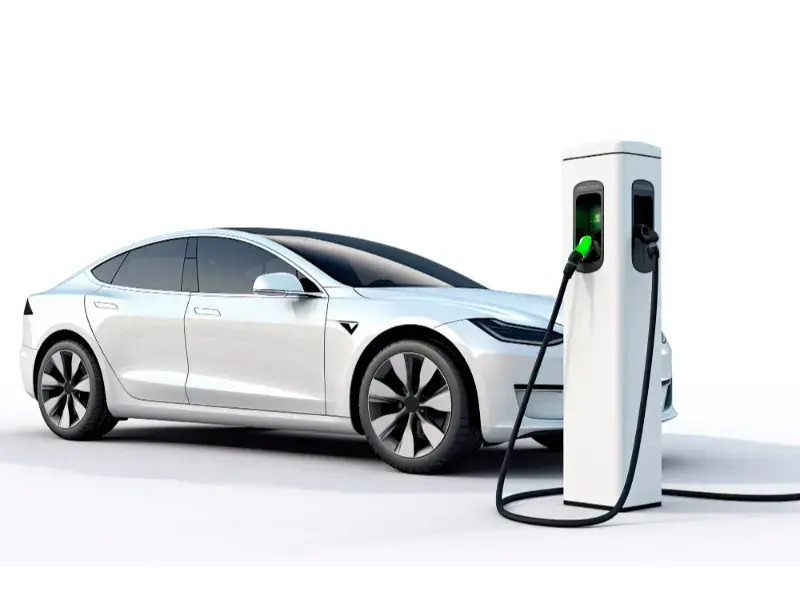
While EV charging networks are expanding rapidly, coverage remains uneven, particularly in rural areas. Governments and private companies are addressing this by investing in charging stations worldwide.
2. Battery Costs and Longevity
Although battery technology is improving, costs remain a barrier for many consumers. Additionally, concerns about long-term battery degradation deter some buyers, although most EV batteries come with warranties covering 8-10 years.
3. Range Anxiety
Many potential buyers worry about running out of charge on long trips. Modern EVs like the Tesla Model S boast ranges exceeding 300 miles, alleviating this issue for many users.
Electric cars and renewable energy
Electric vehicles (EVs) represent a significant step toward sustainable transportation, but their true environmental potential is unlocked when powered by renewable energy sources such as solar, wind, or hydroelectric power. Charging EVs with clean energy eliminates emissions not only during operation but also during the energy generation process, creating a fully sustainable lifecycle for these vehicles.
Many EV owners are taking advantage of home solar panel systems, allowing them to generate their own electricity for charging. This not only reduces reliance on fossil fuels but also cuts energy costs. Some homeowners pair solar panels with home battery storage systems, like Tesla’s Powerwall, enabling them to store excess solar energy for nighttime EV charging.
Beyond individual efforts, governments and utility companies are working to integrate EVs into smart grids. These grids facilitate efficient energy distribution, enabling vehicles to charge during periods of low demand and even feed excess energy back into the grid during peak times, a concept known as vehicle-to-grid (V2G) technology.
By combining EV adoption with renewable energy integration, the world can significantly reduce greenhouse gas emissions, enhance energy efficiency, and move closer to a carbon-neutral future. This synergy between clean energy and electric vehicles underscores the vital role of innovation in achieving global sustainability goals.
Also read: Amperon revolutionises renewable energy forecasting
Government policies driving EV adoption
Global governments play a pivotal role in promoting electric vehicles. Incentives include:
- Tax Credits: The U.S. offers up to $7,500 in federal tax credits for new EV purchases.
- Subsidies: Countries like Norway and China provide generous subsidies to reduce EV costs.
- Regulations: The European Union has implemented strict CO2 emission standards, encouraging automakers to shift to electric.
Electric cars are the future of transportation. They’re not only more efficient but also have the potential to drastically reduce our dependence on fossil fuels and mitigate climate change.
Elon Musk, CEO of Tesla
Innovations in electric car technology
The rapid evolution of EV technology is reshaping the industry. Key innovations include:
Solid-State Batteries
These next-generation batteries promise higher energy density, faster charging, and improved safety compared to current lithium-ion batteries. Companies like Toyota and QuantumScape are leading this innovation.
Wireless Charging
Imagine parking your EV over a charging pad and powering up without cables. Wireless charging is becoming a reality, with pilot programs underway in Europe and the U.S.
Autonomous Driving
Electric vehicles are often integrated with self-driving technology, enhancing safety and convenience. Tesla, Waymo, and other companies are at the forefront of combining EVs with AI-powered autonomous systems.

The future of electric cars
The future of transportation is undeniably electric, with electric vehicles (EVs) poised to dominate global markets. Advancements in battery technology, such as the emergence of solid-state batteries, promise increased energy density, faster charging times, and longer lifespans. These developments are making EVs not only more practical but also more affordable for everyday consumers. Coupled with government incentives, tax breaks, and increasing production scale, EVs are rapidly transitioning from a niche product to a mainstream transportation solution.
Infrastructure development plays a critical role in this shift. The expansion of charging networks, including ultra-fast DC chargers and innovations like wireless charging, is eliminating range anxiety, a common concern for potential EV buyers. Moreover, emerging trends like vehicle-to-grid (V2G) technology, where EVs can return excess energy to the power grid, are redefining their utility beyond transportation. This capability positions EVs as integral components of smart energy systems, supporting grid stability and renewable energy integration.
AI-driven systems are also shaping the future of EVs by optimizing energy efficiency, improving autonomous driving capabilities, and enhancing the overall driving experience. By 2040, analysts predict that over half of all vehicles sold globally will be electric, marking a transformative step toward reducing greenhouse gas emissions, combating climate change, and revolutionizing global mobility.
FAQs: What is an electric car?
An electric car (EV) is powered by an electric motor using energy stored in rechargeable batteries. It works by converting electrical energy into mechanical energy, driving the wheels without producing tailpipe emissions.
Electric cars offer zero emissions, lower operating costs, reduced maintenance, and smooth performance. They also support sustainability, especially when charged using renewable energy sources.
Charging time varies depending on the charger type. Level 1 (home outlets) can take 8-20 hours, Level 2 (public/home stations) takes 4-8 hours, and DC fast chargers can charge up to 80% in 30 minutes to an hour.
Modern EVs have a range of 150 to 400 miles on a single charge, with some models like the Tesla Model S exceeding 400 miles. Range varies based on the model and driving conditions.
While EVs have a higher upfront cost, government incentives, tax credits, and lower running costs make them more affordable over time. Battery prices are also dropping, making EVs increasingly accessible.