
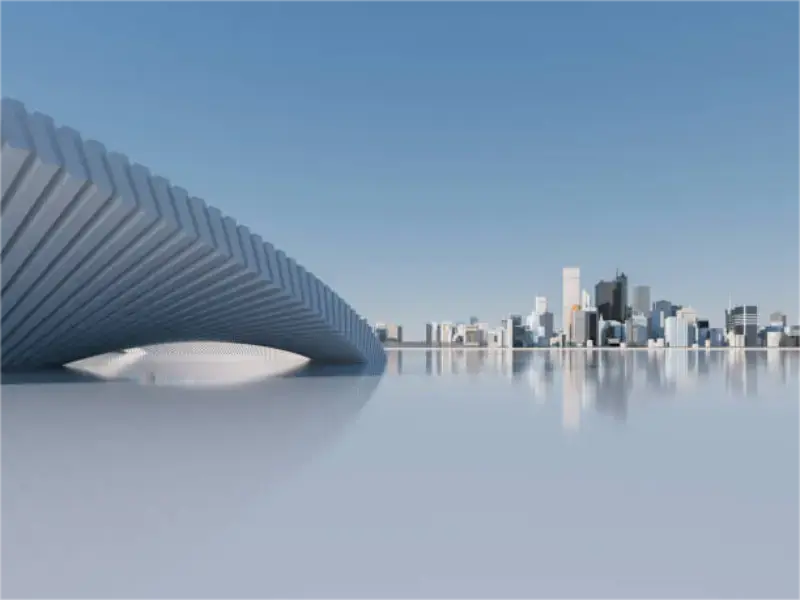
- Smart cities optimise urban functions through technology, while sustainable cities prioritise environmental health and social equity.
- Smart cities aim for technological efficiency to improve urban life, sustainable cities focus on long-term resource management for balanced growth.
- The merging of smart and sustainable city principles is shaping future urban environments to be both innovative and environmentally friendly.
Smart and sustainable cities, while pursuing different goals, offer unique approaches to urban development. Smart cities use advanced technology to improve operational efficiency and citizen engagement, focusing on economic growth through digital transformation. Sustainable cities, on the other hand, strive for environmental sustainability, social inclusion and maintaining a high quality of life, emphasising the importance of balancing environmental, economic and social needs.
The future of urban planning is about integrating these models to create environments that not only harness technological advances for efficiency, but also prioritise sustainable practices to protect the planet and improve living conditions. This hybrid approach promises to deliver smarter use of resources, improved living standards and greater resilience to environmental and social challenges.
Defining sustainable and smart cities
Sustainable cities: A sustainable city is essentially an urban area that has been designed with sustainability in mind, actively reducing its climate impact through its day-to-day existence, while promoting sustainable consumption within the city itself. These cities also aim to be much less vulnerable to the wider (and unavoidable) impacts of climate change. A sustainable city is one that is designed with the three pillars of sustainability in mind: social equity, economic viability and environmental protection.
Smart Cities: A smart city is a technologically advanced urban area that uses various electronic methods and sensors to collect data. This data is then used to efficiently manage assets, resources and services within the city. Smart cities use information and communication technology (ICT) and the Internet of Things (IoT) to improve the effectiveness of city operations and connect with citizens. This integration helps improve city functions such as traffic management, utility services and public safety, and facilitates better interaction between government and citizens.
Also read: 25 smart home and IoT technologies that might just change your life
Key differences between sustainable and smart cities
Focus: Smart cities prioritise technological advances to improve operational efficiency and urban life. They are driven by economic growth and technological implementation. In contrast, sustainable cities focus on environmental quality, social equity and maintaining a high quality of life through balanced growth that considers both environmental and social impacts.
Capital use: Sustainable cities combine hard and soft capital, using technology to support environmental and social goals. However, smart cities often use technology primarily to promote economic and financial sustainability.
Frameworks and assessments: Sustainable cities promote equity and focus on broad quality of life measures beyond GDP, such as environmental initiatives and social inclusion. Smart cities tend to focus on improving city rankings and competitiveness without necessarily addressing local specificities.
In essence, while smart cities optimise city functions and citizen quality of life through technology, sustainable cities integrate economic, social and environmental sustainability by emphasising long-term resource management and equity.
Also read: Singapore unveils Green Data Centres for a sustainable future
Combining strengths
By integrating smart technologies with sustainable planning, cities can improve both efficiency and environmental health. This approach uses technological advances to achieve sustainability goals, making urban environments more resource efficient and improving the quality of life for residents.
Future directions
Future urban planning is likely to merge smart and sustainable practices, creating cities that are both technologically advanced and environmentally friendly. This hybrid model aims to optimise resource use, improve living conditions and ensure urban resilience to environmental and social challenges.
Smart and sustainable cities, while distinct in focus, offer complementary benefits that can be harmonised to effectively address today’s urban challenges. Urban planners and policy makers are encouraged to understand these differences and synergies as they develop strategies to create diverse and thriving urban spaces.