
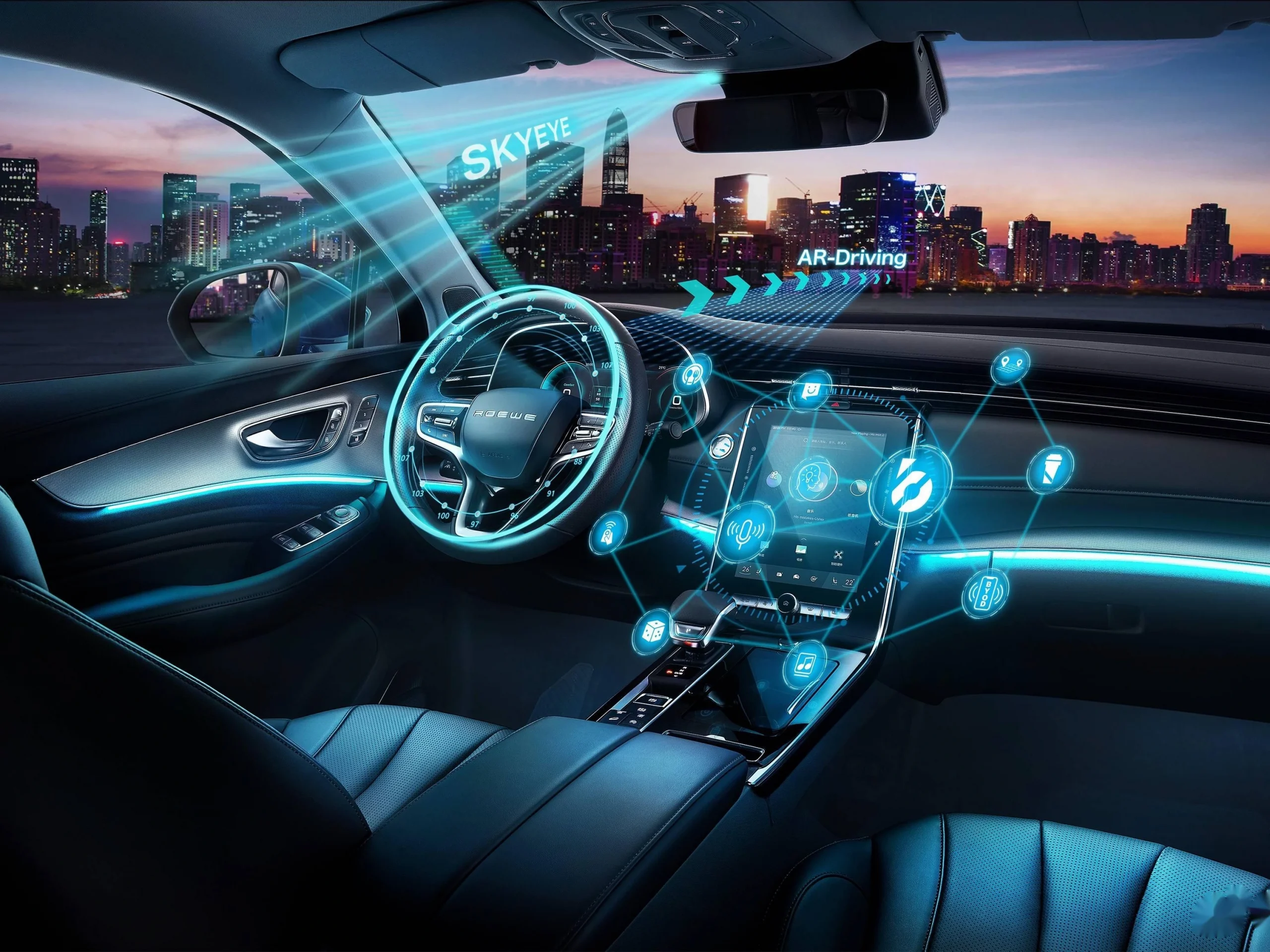
- Integrates Verizon’s 5G/LTE networks, mobile edge computing and Hyper Precise Location for real‑time V2X data exchange.
- Partners include Volkswagen Group of America, Arizona Commerce Authority, Delaware DOT and Rutgers CAIT for use‑case exploration.
Verizon Business accelerating vehicle-to‑everything communications
Verizon Business has officially launched its Edge Transportation Exchange, a mobile‑network V2X communication platform that connects vehicles, pedestrians and road infrastructure—including traffic signals and work zones—via 5G and LTE networks supported by low‑latency mobile edge computing and enhanced geolocation. The service, already in commercial use, is being deployed by Volkswagen Group of America, Arizona Commerce Authority (ACA), Delaware Department of Transportation (DelDOT) and Rutgers University Centre for Advanced Infrastructure and Transportation (CAIT).
The platform evolved from successful joint trials with the 5G Automotive Association (5GAA) and the US Department of Transport, showcasing scenarios like pedestrian detection, signal timing alerts and weather‑condition notifications.
Shamik Basu, VP for Strategic Connectivity & IoT at Verizon Business, described vehicles as “software‑defined mobile devices” capable of leveraging advanced connectivity. The platform’s virtual architecture removes the need for expensive physical roadside units—cutting costs for departments of transport and municipal authorities.
Also read: Verizon’s $20bn frontier deal approved after DEI rollback
Also read: Verizon expands satellite messaging services
Why it’s important
The Edge Transportation Exchange marks a pivotal moment in the deployment of cellular‑based V2X, or C‑V2X, technology—a technology projected to reduce traffic accidents by up to 13 %, according to the US Department of Transportation. By tapping into 5G, LTE, edge computing and Hyper Precise Location, Verizon offers an agile and scalable infrastructure that supports both current deployments and future innovations in smart mobility.
Customers across both public and private sectors are already demonstrating the flexibility of Verizon’s Edge Transportation Exchange platform. The Arizona Commerce Authority (ACA) has moved from trial to production phase, using the system for real-time pedestrian detection and preparing to introduce work-zone alerts. The Delaware Department of Transportation (DelDOT) is currently testing applications such as red-light warnings, flood alerts and pedestrian notifications. Meanwhile, Volkswagen Group of America is exploring how the platform can enhance pedestrian awareness and streamline toll payment systems.
Verizon’s Edge Transportation Exchange aligns with global trends in vehicle‑to‑everything tech, enabling faster, safer, more efficient transportation networks. It also reduces deployment barriers for municipalities, opening the door for broader adoption. As the V2X ecosystem matures—bolstered by advancements from Qualcomm and others—platforms like this could herald a step‑change in urban and highway safety.