InfraRed Capital is a public record based on article evidence, entity context, event links, and relationship context.
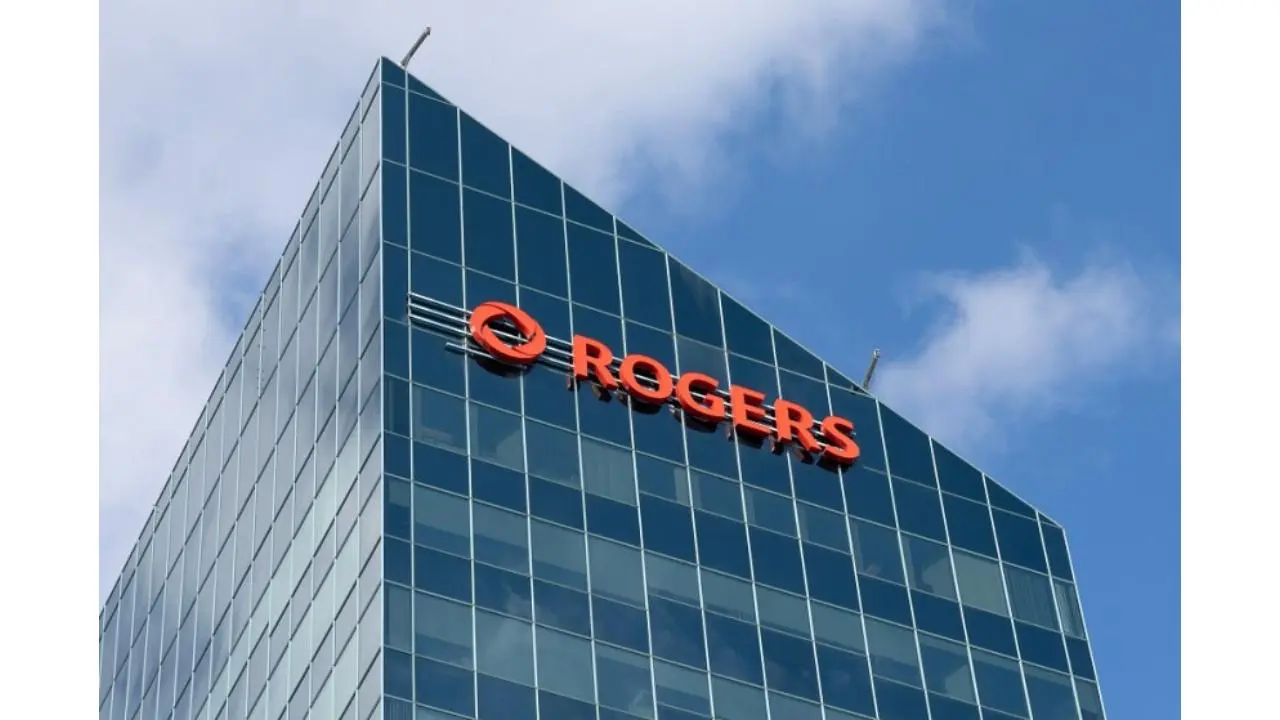
InfraRed acquires Rogers Business data centre portfolio to expand its value-add infrastructure strategy. Rogers will use proceeds to reduce debt while retaining service roles in the transitioned facilities. What happened: Deal for nine data centres finalised InfraRed Capital Partners, an international infrastructure asset manager, has entered into a definitive agreement to acquire Rogers Communications’ data centre business, according to a statement from InfraRed’s website.
The portfolio comprises nine Tier 2 and Tier 3 facilities across major Canadian cities, offering up to 49 MW of capacity and supporting colocation, cloud, and managed services—all under Canadian data sovereignty frameworks. Rogers will continue to market data centre services and provide network connectivity at these sites for InfraRed post-transition. The company expects to use the proceeds to reduce debt, aligning with its broader strategy of divesting non-core assets. The transaction is expected to close by year-end, pending regulatory approval.
Also read: Oklo and Vertiv join forces for AI data centres Also read: Elige powers Kenya’s digital growth with Icolo data centres Why it’s important The transaction marks a significant shift in the ownership structure of Canadian digital infrastructure. InfraRed’s acquisition positions it as a significant player in the data centre market, granting strategic control over key physical assets. For Rogers, the sale offers a path to strengthen its balance sheet and focus on core telecom operations. However, such consolidation raises questions about competition in the wholesale market.
Independent providers that rely on colocation services may face reduced bargaining power. The absence of pricing and contract details leaves uncertainty regarding the deal’s long-term impact on service affordability and flexibility. Moreover, the move reflects a wider industry trend of separating infrastructure ownership from service provisioning—a model that could reshape how digital networks are managed globally.
Member Briefing
Read the full trend briefing
Members read the full briefing with the source notes behind every finding.
Strategic Circle
A daily briefing in your language, built from changes we have verified.
Join for USD 20/monthCancel anytime.
Members also get the full research library, a daily briefing on the networks they follow and the private forum.
Snapshot
Category
Global Datacenter TrendsInfraRed Capital is covered for governance relevance.
Region
AfricaSignal Focus
GovernanceContent Type
EventPrimary Domain
MarketTopic
GovernanceImpact
MediumConfidence
Good confidence (80%)Confidence score guide
Published reporting