U.S.
- U.S. tech giants Amazon, Microsoft, Meta and Google are competitive for an alarming rate in power the nuclear energy as source of electricity.
- The driving force of the nuclear energy race benefits a consistent and eco-friendly nuclear power in support of electricity consumption, even though is costly.
What happened
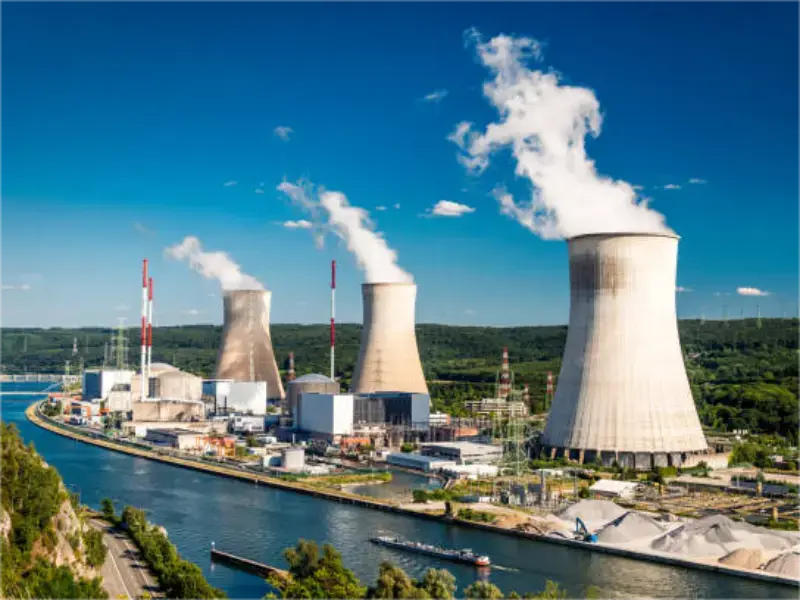
In an effort to fuel a system that is using electricity at an alarming rate, Amazon, Microsoft, Meta and Google are now competing with one another to make the most statements about atomic energy. since the expansion of the AI technology, tech companies invest billions in building data centers globally which consumes a great amount of energy. By the need of building the best AI system for data centers, companies struggles between maintaining the demand and the environment. Nuclear power has become a compelling option in providing the a source of reliable, carbon-free electricity. However, nuclear reactor are expensive to build and the amount of energy each data center needs daily is enormous. Amazon, Microsoft, Meta and Google can afford to be in the race for the stability of the nuclear power as an electricity source.
Also read: Amazon bets on nuclear power to fuel future data center growth
Also read:Microsoft and Constellation Energy to revive Three Mile Island: A new era for clean nuclear power
Why it’s important
Nuclear power will play a crucial role in the AI-driven future, providing reliable and sustainable energy. As AI technologies advance, they will require substantial energy resources to function effectively. Nuclear energy offers a low-carbon solution to meet this growing demand.
With its high energy density, nuclear power can supply large amounts of electricity efficiently. AI systems can optimize the operation of nuclear plants, enhancing safety and efficiency. Smart grids powered by AI will better manage energy distribution, balancing supply and demand. Moreover, AI can improve nuclear waste management by predicting optimal disposal methods. Advanced algorithms will enhance the monitoring of nuclear facilities, ensuring safety and compliance with regulations. This increased oversight will build public trust in nuclear energy.
As the world shifts toward decarbonization, nuclear power will complement renewable sources like solar and wind. AI-driven technologies can integrate these energy sources, creating a more resilient energy network. Nuclear power will be vital in supporting the AI-driven future. It will provide the necessary energy while minimizing environmental impact. This synergy will pave the way for a sustainable and technologically advanced world.
Member Briefing
Deeper Profile Context
Sign in with the right membership level to unlock the full briefing and source notes.
Only for Strategic Circle
Strategic Circle
Open to all readers. Unlock profile briefings after joining and signing in.
Join Strategic CircleOnly for Leadership Alliance
Leadership Alliance
For qualified IP-asset owners and management; sign in to unlock alliance briefings.
Join Leadership AllianceSnapshot
Category
InstitutionRegion
GlobalSignal Focus
MarketContent Type
ProfilePrimary Domain
TechnologyTopic
MarketImpact
MediumConfidence
Limited confidence (82%)Confidence score guide
Several public sources