Governance
Trump announces escalating tariffs on imports
Trump announces new escalating tariffs on imports, aimed at forcing foreign companies to shift production to the US.
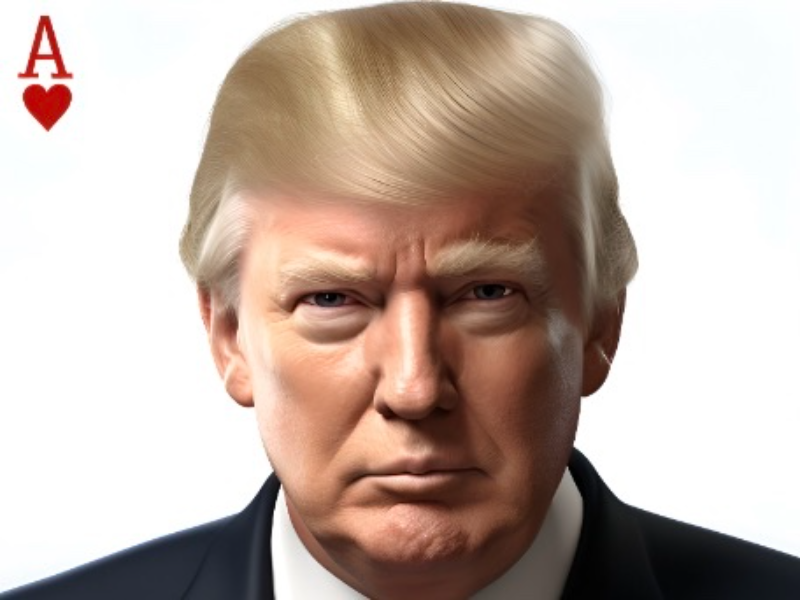
Headline
Trump announces new escalating tariffs on imports, aimed at forcing foreign companies to shift production to the US.
Context
US President Donald Trump has promised to impose large, escalating tariffs on a range of imports, including semiconductors and automobiles. During a recent press conference, Trump indicated that tariffs on foreign-made cars would begin at 25%, with plans to raise them further over the next year. He stated that the intention is to encourage foreign companies to move their manufacturing to the US, effectively lowering tariffs for those who set up production within American borders. Trump’s remarks come after his criticism of the European Union (EU) and its trade practices. He pointed out the trade deficit the US faces with Europe and described the EU’s actions as “unfair.” The president’s approach of reciprocal tariffs suggests an ongoing trade war where each side imposes tariffs in response to the other’s actions. These tariffs, while intended to rebalance trade, could lead to inflationary pressures and disrupt global supply chains.
Evidence
Pending intelligence enrichment.
Analysis
Also read: Trump boosts crypto: Bitcoin climbs above $106K Also read: Trump announces $500 billion AI investment Trump’s promise to escalate tariffs represents a significant shift in US trade policy and could have wide-reaching implications for businesses and industries worldwide. Many companies, particularly in telecoms, rely heavily on global trade to maintain competitive pricing and access to foreign manufacturing. The increased tariffs may drive up costs for consumers, affecting everything from electronics to pharmaceuticals. Additionally, companies may be forced to reconsider their supply chains, possibly shifting production away from the US or Europe. The effects could ultimately lead to inflation, hinder investment, and disrupt the flow of goods across borders. For European businesses, this new phase of hostility means they may need to diversify their markets, lessening dependence on the US.
Key Points
- US President Trump pledges 25% tariff on cars and semiconductors.
- Europe faces increased trade tensions with the US.
Actions
Pending intelligence enrichment.