
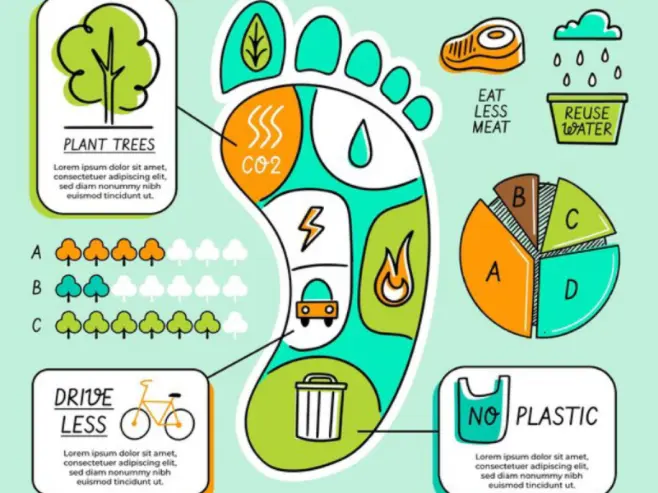
- This blog highlights 10 unexpected contributors to your carbon footprint, including digital streaming, food waste, fast fashion, standby household appliances, and even pet ownership. Each activity’s impact is explained, along with practical tips for reducing emissions.
- Understanding these less obvious sources of carbon emissions can help you make more informed, sustainable lifestyle choices to lower your overall environmental impact.
When it comes to reducing your carbon footprint, most of us think about obvious actions like driving less or recycling more. However, there are many surprising activities that significantly contribute to your carbon emissions. Understanding these unexpected sources is key to making informed changes. In this blog, we’ll reveal the top 10 surprising contributors to your carbon footprint and offer tips on how to reduce them.
Also read: 5 important things to know about your Cloud Carbon Footprint
Also read: NASA funds innovative aircraft concepts for a greener future
1. Digital streaming and online activities
It might come as a surprise, but your Netflix binge-watching or endless YouTube sessions have a carbon cost. The data centers powering streaming services consume vast amounts of energy. In fact, watching a high-definition video for an hour can produce the same amount of carbon emissions as driving a small car for a few miles.
How to Reduce It:
- Lower video streaming quality when possible.
- Download content for offline viewing instead of streaming repeatedly.
- Consider unplugging devices when not in use.
2. Fashion choices and fast fashion
The fashion industry is a major carbon emitter, responsible for about 10% of global emissions. Fast fashion, with its rapid production and disposable culture, significantly contributes to this. Synthetic fabrics, like polyester, are especially harmful because they are derived from petroleum.
How to Reduce It:
- Buy fewer, higher-quality clothing items that last longer.
- Choose sustainable brands and materials like organic cotton or recycled fabrics.
- Thrift or swap clothes instead of buying new.
3. Food waste
Surprisingly, food waste is a major contributor to carbon emissions. When food rots in landfills, it produces methane—a greenhouse gas much more potent than carbon dioxide. It’s estimated that one-third of all food produced globally is wasted, contributing around 8% of total greenhouse gas emissions.
How to Reduce It:
- Plan meals to avoid overbuying.
- Store food properly to extend its shelf life.
- Compost organic waste instead of sending it to the landfill.
4. Hidden carbon in your bank account: Investments and savings
Many people are unaware that their savings and investments could be contributing to their carbon footprint. Banks and financial institutions often invest in fossil fuels and other high-carbon industries. This means your money could be indirectly funding carbon-intensive projects.
How to Reduce It:
- Choose banks and investment funds that prioritize sustainability.
- Look for ESG (Environmental, Social, and Governance) investment options.
- Support financial institutions that divest from fossil fuels.
5. Household appliances on standby
Leaving appliances like TVs, microwaves, and gaming consoles on standby mode may seem harmless, but they continue to consume energy. This “phantom energy” can add up over time, increasing your carbon footprint.
How to Reduce It:
- Unplug devices when they are not in use.
- Use smart power strips to cut off energy flow automatically.
- Opt for energy-efficient appliances with the ENERGY STAR label.
6. Diet choices beyond meat consumption
While many people know that a meat-heavy diet has a high carbon footprint, the impact of other food choices is often overlooked. For example, imported foods like avocados or out-of-season fruits have a high carbon footprint due to transportation. Dairy products also have significant emissions from production and processing.
How to Reduce It:
- Eat more locally sourced and seasonal foods.
- Reduce dairy consumption by exploring plant-based alternatives.
- Grow your own vegetables or buy from local farmers’ markets.
7. Water usage
Water usage itself may not seem like a carbon issue, but the energy required to heat, pump, and treat water contributes to your carbon footprint. Long, hot showers and frequent laundry loads can add up quickly.
How to Reduce It:
- Take shorter showers and use cold water when possible.
- Fix leaks promptly to prevent water waste.
- Install water-efficient fixtures like low-flow showerheads.
8. Packaging waste
Single-use plastics and excessive packaging contribute significantly to carbon emissions. The production, transportation, and disposal of packaging materials like plastic, cardboard, and Styrofoam generate greenhouse gases.
How to Reduce It:
- Choose products with minimal or recyclable packaging.
- Bring reusable bags, containers, and bottles when shopping.
- Support brands that prioritize sustainable packaging.
9. Air travel even without flying
Even if you don’t fly often, the products you buy might have a high “air mile” footprint. Many goods, including fresh produce, are flown from distant countries to your local store, resulting in significant carbon emissions.
How to Reduce It:
- Look for products labeled as locally sourced.
- Choose seasonal produce that doesn’t need to be imported.
- Reduce your own air travel when possible, and consider carbon offset programs.
10. Pet ownership
Yes, even our furry friends contribute to carbon emissions. The production of pet food, especially meat-based products, has a notable carbon footprint. Additionally, the waste generated by pets and the production of pet accessories add to environmental impacts.
How to Reduce It:
- Feed pets responsibly by choosing sustainable pet food options.
- Reduce waste by using biodegradable pet products.
- Consider adopting pets rather than buying from breeders, reducing the demand for high-carbon pet farming.
Summary
While many of these contributors might be surprising, understanding their impact is crucial for reducing your overall carbon footprint. By making small, informed changes in your daily life, you can significantly lower your carbon emissions and help combat climate change.
Ready to make a change? Start by assessing your lifestyle and identifying areas where you can cut back. Every small action counts when it comes to reducing your carbon footprint!