SpaceX is a public record based on article evidence, entity context, event links, and relationship context.
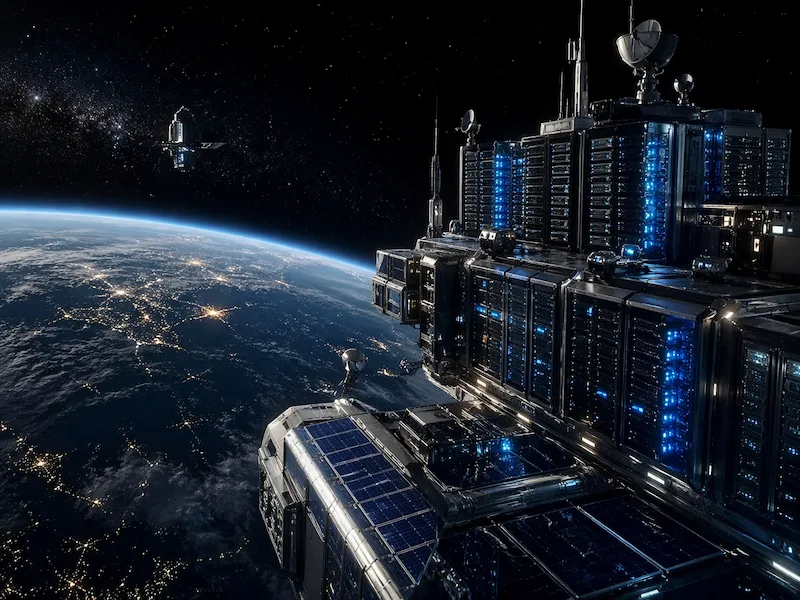
• Radiation exposure, extreme heat and the impossibility of in-orbit repairs make space-based AI computing a high-risk bet. • Many of SpaceX's long-term programmes depend on Starship, adding execution risk across the roadmap. What happened SpaceX has warned in IPO-related regulatory filings that its concept for space-based AI data centres depends on unproven technologies. The company said these systems remain in early stages of development and may never achieve commercial viability. The disclosure appears in the risk factors section of documents prepared ahead of a potential initial public offering.
The planned listing is expected to rank among the largest in history, placing scrutiny on SpaceX's long-term technological roadmap and associated risks. The filing highlights major engineering challenges in operating computing infrastructure in orbit. These include exposure to radiation, extreme thermal conditions, and limited ability to perform maintenance or repairs once systems are deployed in space. SpaceX also links the concept to its broader long-term roadmap, including lunar and Martian industrial development.
These ambitions depend heavily on its Starship launch system, which remains under development and has not yet demonstrated full operational capability. Why it's important The filing highlights the gap between long-term technological ambition and current engineering constraints in space-based infrastructure. While orbital computing is sometimes proposed as a way to overcome Earth-based energy and cooling limits, SpaceX's disclosure shows that core technical and operational barriers remain unresolved.
It also reinforces the central role of Starship in the company's strategy, as many future programmes depend on its ability to operate reliably at scale. Any delays in its development could therefore affect multiple long-term projects. Also read: Amazon acquires Globalstar for $11.6bn to challenge Starlink Also read: SpaceX delays Starship test launch by one month Also read: Amazon acquires Globalstar for $11.6bn to challenge Starlink Also read: SpaceX delays Starship test launch by one month
Member Briefing
Deeper Trend Context
Sign in with the right membership level to unlock the full briefing and source notes.
Only for Strategic Circle
Strategic Circle
Open to all readers. Unlock trend briefings after joining and signing in.
Join Strategic CircleOnly for Leadership Alliance
Leadership Alliance
For operators, investors, and policy teams that need relationship evidence, failure paths, and source notes. Sign in to unlock.
Join Leadership AllianceSnapshot
Category
Global Cloud Services TrendsSpaceX is covered for governance relevance.
Region
GlobalSignal Focus
GovernanceContent Type
EventPrimary Domain
MarketTopic
GovernanceImpact
MediumConfidence
Good confidence (80%)Confidence score guide
Published reporting