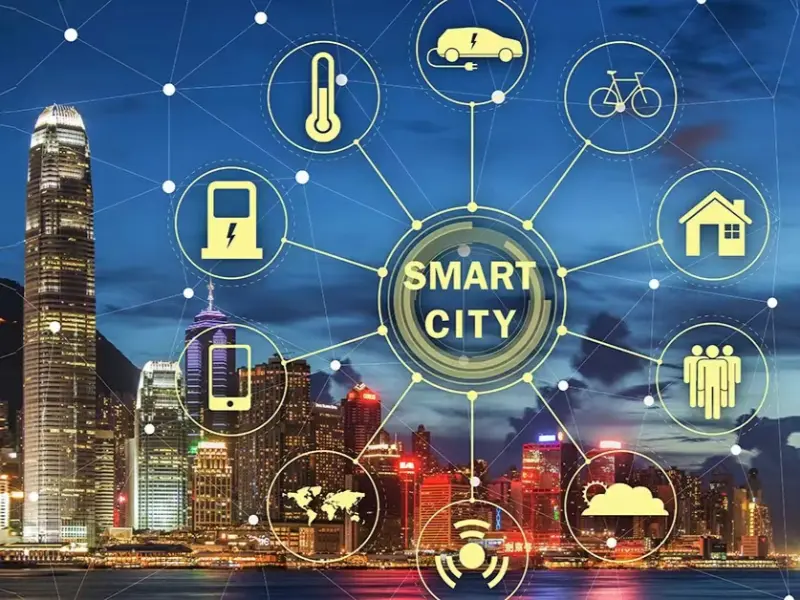
- The differences between smart cities and normal cities are stark, primarily driven by the level of technological integration and data utilisation.
- Smart cities are paving the way for a future where urban living is more efficient, sustainable, and responsive to the needs of residents.
As technology continues to evolve, the term “smart city” has become a buzzword in urban planning and development. The adoption of smart city principles offers a promising path towards more resilient, sustainable, and liveable environments. While normal cities strive to improve, the leap to becoming a smart city represents a transformative shift in urban development.
6 differences between smart city and normal city
1. Technological infrastructure
At the heart of a smart city is advanced technological infrastructure. This includes widespread use of the Internet of Things (IoT), where devices and sensors collect and share data to improve various city functions. Smart grids, intelligent transportation systems, and high-speed communication networks are integral components.
In contrast, normal cities operate on more traditional infrastructure. While they may have some technological advancements, they lack the integrated, data-driven systems that characterise smart cities. Utilities, transportation, and communication systems are typically less efficient and interconnected.
Also read: What happens after RFID is hacked and how to deal with it?
2. Data-driven decision making
One of the defining features of smart cities is their use of data analytics to drive decision-making. Real-time data from various sources helps city officials manage resources more effectively, optimise traffic flow, enhance public safety, and improve service delivery.
Normal cities often rely on historical data and manual processes for decision-making. This can result in slower responses to issues and less efficient resource management. The absence of real-time data analytics means they cannot adapt as quickly to changing conditions.
3. Sustainability and environmental impact
Sustainability is a cornerstone of smart cities. They employ technology to reduce energy consumption, minimise waste, and lower carbon emissions. Smart buildings, energy-efficient lighting, and renewable energy sources are common. These cities also implement smart waste management systems and water conservation techniques.
Normal cities may adopt some sustainability measures, but they generally lack the comprehensive, technology-driven approaches found in smart cities. Their efforts to reduce environmental impact are often less coordinated and less effective.
4. Quality of Life
The integration of technology in smart cities enhances the quality of life for residents. Smart healthcare systems, efficient public transportation, and improved safety measures contribute to a higher standard of living. Citizens benefit from services that are more responsive to their needs.
Also read: Chrome to introduce new AI-powered features for product searches
While normal cities can offer a good quality of life, they often fall short in areas where smart cities excel. For example, public services may be slower and less efficient, and the overall urban experience can be less convenient and less safe.
5. Economic opportunities
The innovation and efficiency of smart cities attract businesses and investors, fostering economic growth. The presence of advanced technology hubs creates jobs and stimulates local economies. These cities often become centres for tech startups and innovation.
Normal cities, without the same level of technological integration, may not attract as much business investment. Economic opportunities can be more limited, and job creation may not keep pace with that of smart cities.
6. Citizen engagement
Smart cities leverage technology to engage citizens actively. Digital platforms allow residents to participate in governance, provide feedback, and access information in a more direct and convenient way. This increased engagement leads to more transparent and responsive city management.
In normal cities, citizen engagement tends to be more traditional and less interactive. Opportunities for residents to participate in city governance are often limited, and communication between city officials and citizens can be slower and less efficient.