
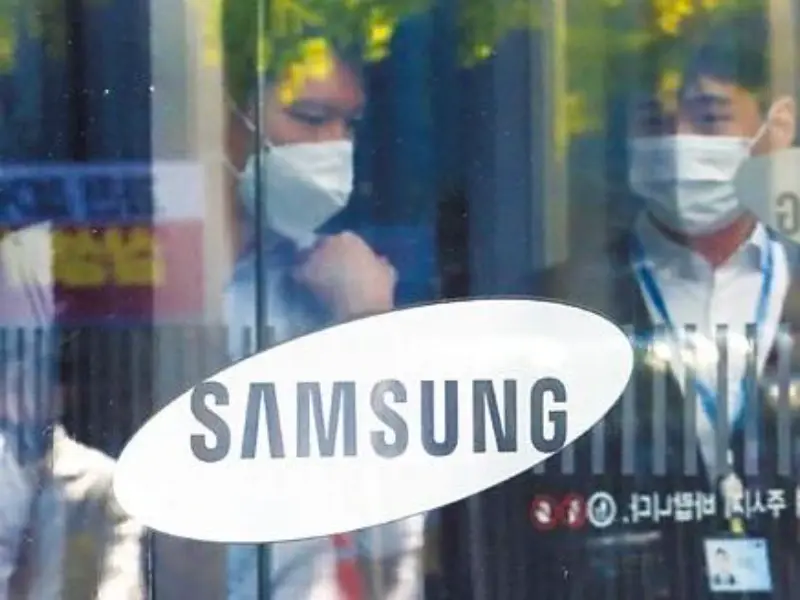
- A Samsung Electronics union in South Korea is due to stage on Friday the first walkout at the technology giant.
- Some analysts did not expect the labour action over pay and conditions to have a major impact on chip production.
- NSUE has about 28,000 members, or more than a fifth of the company’s total workforce, has said it will stop work for a day as part of broader protest measures.
OUR TAKE
In February, South Korean government released a program to expand medical school enrolment in early February, which met with strong opposition from the medical community. As the ‘strike’ by doctors continues to expand, Korean society has seen several industrial general strikes, from last year’s general strike in the teaching profession and the truck drivers’ strike to the current general strike, the public’s dissatisfaction with daily life, labor disputes, and economic expectations has intensified. The strike at Samsung also reflects the intense class conflict in South Korean society.
—Aria Jiang, BTW reporter
Samsung Electronics’ workers plan to stage their first strike on Friday, seeking better pay and working conditions, though it is not expected to significantly impact chip production. The National Samsung Electronics Union (NSUE), representing about 28,000 members or over a fifth of the company’s workforce, will participate in the strike. This action highlights growing labor tensions and widespread dissatisfaction in South Korea, which have been evident in recent strikes across various sectors, including doctors, teachers, and truck drivers.
Also read: Samsung reshuffles semiconductor leadership, boosts AI market
Strike will not affect productivity
Market research firm TrendForce reported that the planned one-day walkout by Samsung Electronics’ union will not affect DRAM and NAND Flash memory chip production or cause shipment shortages. The strike predominantly involves employees at Samsung’s Seoul headquarters rather than production workers. Additionally, the strike’s timing—following a public holiday with some staff already on leave and the high automation in production—suggests minimal impact.
Also read: Samsung’s HBM chips failing Nvidia tests: Heat, power issues
Employee demands
In recent weeks, workers have held intermittent protests at Samsung’s Seoul offices and its Hwaseong chip production site. The union, dissatisfied with this year’s 5.1% wage increase, is demanding an additional day of annual leave and transparent performance-based bonuses. Samsung Electronics has stated it is committed to “sincerely engaging in discussions with the union.”