
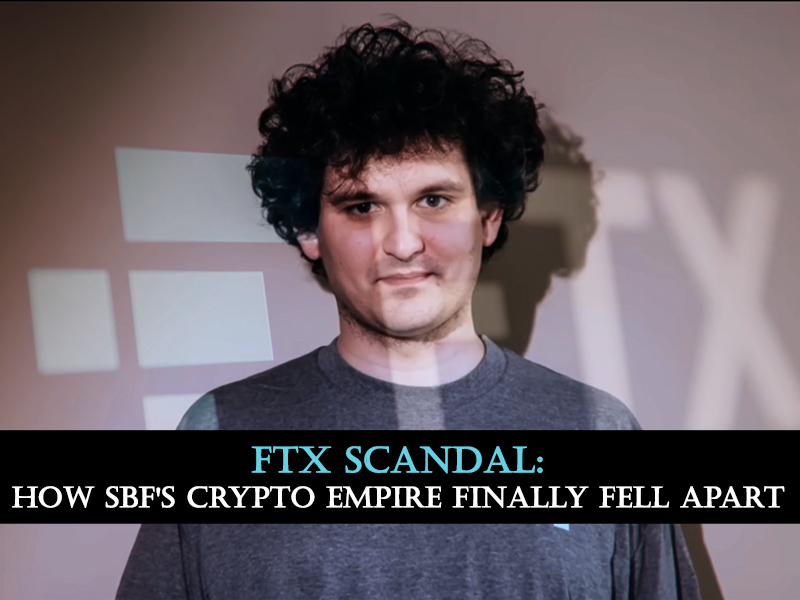
Samuel Bankman-Fried's 25-year sentence turns the FTX collapse from a market shock into a long-duration legal and restitution case. The event matters because it shows how exchange custody, affiliated trading desks, investor claims, and customer funds can collapse into one control failure. The next watchpoints are appeal posture, victim compensation, and whether successor crypto platforms separate customer assets, governance authority, and related-party trading access.
Samuel Bankman-Fried's sentencing is a market-structure event, not only the final scene of a failed exchange. The Southern District of New York said the FTX founder received 25 years in prison after a trial over customer-fund misuse, investor fraud, lender fraud tied to Alameda Research, and false assurances about how customer assets were handled. That makes the sentence a public reference point for how crypto platforms are judged when custody, trading privileges, fundraising claims, and founder authority sit inside the same operating perimeter.
The control surface is the exchange trust model. FTX customers believed deposits were held for trading and withdrawal; prosecutors said funds were routed to Alameda, investments, political contributions, real estate, and loan repayment. For market entities, the impact mechanism is broader than one conviction: exchange operators, investors, auditors, and regulators now have a concrete enforcement record showing how related-party access and opaque balance sheets can destroy customer recoverability.
BTW tracks the case as an event around custody discipline and financial-market confidence. The watchpoints are Bankman-Fried's appeal path, recovered assets for victims, claims resolution in the FTX estate, and whether new crypto venues can prove sharper separation between customer balances, proprietary trading, governance rights, and executive discretion. The evidence basis is the Justice Department sentencing release and case docket, with market interpretation kept separate from the court record.
Signal Brief
- Signal: Sam Bankman-Fried sentencing closes a major FTX fraud chapter
- Region: United States
- Market Class: North America Cloud Services Trends
Market Context
- The sentence and forfeiture order frame FTX as a benchmark case for crypto-platform custody controls and financial-crime enforcement.
- Operational relevance: Medium
- Time Horizon: Multi-year
Member Briefing
Deeper Trend Context
Sign in with the right membership level to unlock the full briefing and source notes.
Only for Strategic Circle
Strategic Circle
Open to all readers. Unlock trend briefings after joining and signing in.
Join Strategic CircleOnly for Leadership Alliance
Leadership Alliance
For operators, investors, and policy teams that need relationship evidence, failure paths, and source notes. Sign in to unlock.
Join Leadership AllianceSnapshot
Category
North America Cloud Services TrendsBankman-Fried founded FTX and Alameda Research and was convicted over schemes that misused customer and investor funds.
Region
United StatesContent Type
Signal BriefingPrimary Domain
FinanceImpact
HighThe sentence and forfeiture order frame FTX as a benchmark case for crypto-platform custody controls and financial-crime enforcement.
Confidence
Good confidence (96%)Confidence score guide
Several public sources