
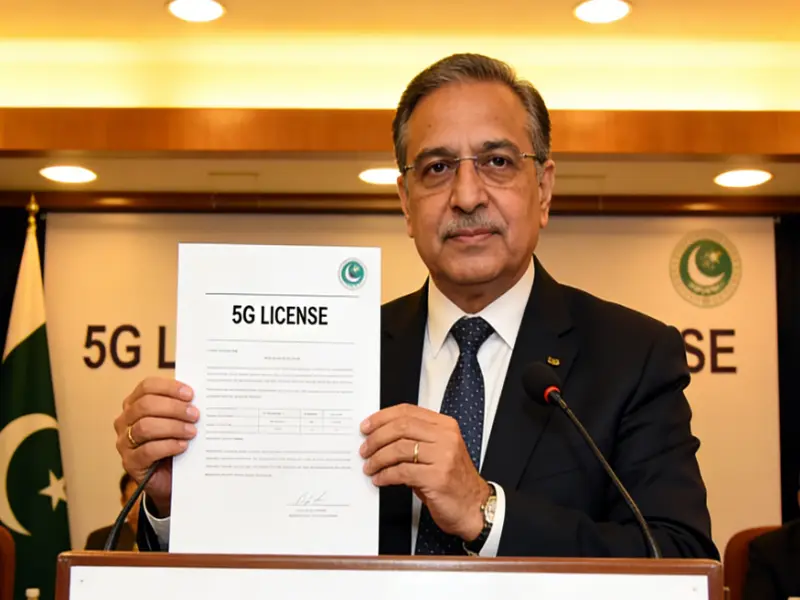
- Pakistan has sold 5G spectrum licences following more than a decade without a major mobile spectrum auction.
- The move signals the start of nationwide investment in next-generation mobile networks.
What happened: Long-delayed spectrum auction
Pakistan has finally issued licences for 5G spectrum, ending a 12-year gap since its last major mobile spectrum sale and paving the way for the country’s telecom operators to begin deploying next-generation networks.
According to reporting by Telecoms.com, the spectrum auction marks a key step towards launching commercial 5G services in the country after years of regulatory delays and market uncertainty. The last major spectrum auction in Pakistan took place in 2014, when operators acquired 3G and 4G licences.
The sale was overseen by the Pakistan Telecommunication Authority, which is responsible for allocating spectrum and regulating the country’s mobile market. Officials have framed the licensing process as a milestone in modernising Pakistan’s digital infrastructure.
Pakistan’s telecom sector is currently dominated by several mobile network operators including Jazz, Telenor Pakistan and Zong. These companies are expected to use the newly acquired spectrum to expand capacity and prepare for the transition from 4G to 5G services.
According to the report, the government hopes the rollout of 5G networks will support digital services ranging from mobile broadband and cloud connectivity to emerging applications such as smart cities and industrial automation.
However, operators have also warned that high spectrum prices, economic pressures and limited consumer purchasing power could slow the pace of commercial deployment.
Also Read: CircuitX turns Barcelona F1 track into 5G testbed
Also Read: Telefonica brings standalone 5G indoors at Madrid mall
Why it’s important
Pakistan’s 5G licensing marks a significant turning point for the country’s telecommunications sector, which has struggled to keep pace with network upgrades seen elsewhere in Asia.
After more than a decade without a major spectrum release, operators are now under pressure to expand network capacity and support growing mobile data demand. Smartphones, streaming services and cloud-based applications are already pushing existing 4G infrastructure close to its limits in many urban areas.
The introduction of 5G could also help Pakistan strengthen its digital economy by enabling new services such as low-latency connectivity for enterprise applications and advanced mobile broadband for consumers.
From a financial perspective, spectrum auctions can generate important revenue for governments, but they also place heavy capital demands on operators that must invest billions in network upgrades. Analysts often view these auctions as the start of a long investment cycle rather than a quick technological shift.
Pakistan’s move therefore reflects a broader global trend: countries are increasingly treating advanced mobile networks as strategic infrastructure necessary for economic competitiveness.
After years of delay, the challenge now lies not in licensing spectrum but in turning it into nationwide connectivity.