
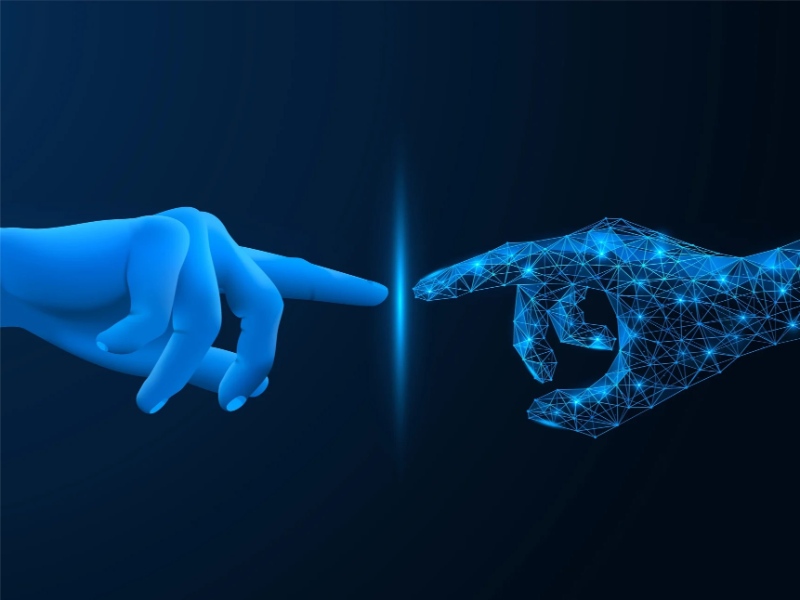
- AI’s development and application must be in the interest of humanity, respect human rights, and avoid negative impacts and ethical risks.
- As AI technology continues to advance, computer systems are becoming more complex, potentially leading to a decrease in human autonomy.
Artificial Intelligence (AI) is transforming the world at an unprecedented pace. From healthcare to finance, and from transportation to entertainment, AI is becoming increasingly integral to our daily lives. Yet, as we embrace this technology, we must also consider its ethical implications. Is AI ethical? Is it morally respected? This article seeks to shed light on these questions, examining the ethical challenges AI presents and its moral standing in society.
Basic principles of AI ethics
- Transparency and fairness: AI algorithms should follow the basic ethical principles of transparency, fairness, responsibility and privacy. These principles require AI systems to be open and interpretable in their design and operation to ensure that their decision-making process is open and fair to users and society.
- Human rights and social responsibility: The development and application of AI must be in the interest of humanity, respect human rights and ethics, and avoid negative impacts and ethical risks. This means that AI needs to be developed and deployed in a way that takes into account its impact on society, especially on vulnerable groups.
- Moral subjectivity: the discussion on whether AI has moral subjectivity has been a hot topic. Although generative AI such as ChatGPT possesses powerful language understanding and text generation capabilities, it only absorbs the integration of digital codes in the virtual world, and is still far from interacting with the objective world. Therefore, when assessing the ethical attributes of AI, one must be cautious about its potential as an ethical actor.
Also read: Google splits up a key AI ethics watchdog
Challenges for AI ethics
- Complexity and inexplicability: due to the complexity of the software, it is almost impossible to explain precisely why AI systems make particular decisions. This makes the decision-making process of AI systems lacking in transparency, making it more difficult to regulate and scrutinise.
- Bias and discrimination: AI systems may replicate biases and discrimination in training data, leading to unfair results. For example, if the training data for an AI model used for facial recognition contains information that is biased against certain races or genders, the model may exhibit the same biases in real-world applications.
- Autonomy and control: As AI technology continues to advance, computer systems are becoming more complex, potentially leading to a decrease in human autonomy. This trend raises concerns about the possible consequences of AI evolving itself.
Also read: Apple commits to AI safety in White House Initiative
The future of AI ethics
The future of AI ethics will likely involve a multifaceted approach:
- Regulation: Governments and international bodies may need to establish regulations to govern AI development and use, ensuring ethical considerations are addressed. For example, the Code of Ethics for the New Generation of Artificial Intelligence calls for ethics to be integrated into the entire life cycle of AI to promote fairness, justice, harmony and safety.
- Public engagement: Engaging the public in AI ethics discussions can help ensure a variety of perspectives are considered, promoting socially responsible AI development.
- Ethical AI design: Developers should incorporate ethical considerations into AI system design, creating transparent, fair, and accountable systems.
- Ongoing research: Continued research into AI’s ethical implications is essential for understanding and addressing the moral challenges it presents.
The question of AI’s ethics and moral respect is complex and multifaceted. It requires careful consideration of the ethical challenges, moral standing, and the challenges AI presents. As AI continues to evolve, it is crucial that we engage in thoughtful discussions and take proactive steps to ensure its development and use align with our moral values and respect for all individuals.