
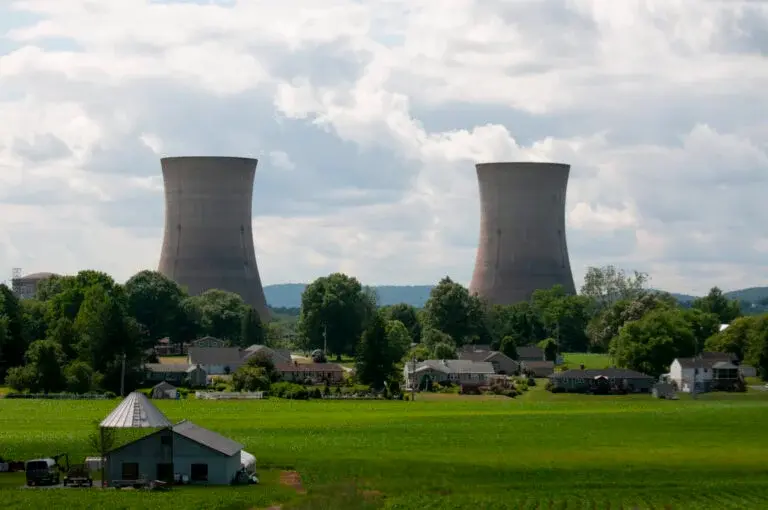
- Constellation Energy plans to bring Unit 1 online a year early to supply Microsoft’s growing data centre demand.
- The reboot raises questions about nuclear reliability and whether the fast-track timeline is feasible.
What happened:Unit 1 reboot fast-tracked
Constellation Energy has confirmed that the Three Mile Island nuclear plant’s Unit 1 will be restarted in 2027, accelerating its schedule by a year. The unit, deactivated in 2019 due to economic pressures, is now being fast-tracked to power Microsoft’s expanding AI data centres through a 20-year energy agreement. The facility, now rebranded as the Crane Clean Energy Center, has already begun ordering equipment and undertaking safety assessments. The Pennsylvania government and regional grid operator PJM Interconnection have also approved the project’s grid access ahead of schedule, a move that could help the project avoid typical energy connection delays.
Also read: Meta signs 20‑year nuclear deal to fuel AI data centre growth
Also read: Nordic data centres set sustainability benchmark
Why it’s important
This decision underscores how tech giants are reshaping the energy sector. Microsoft’s involvement reflects a broader trend in which digital companies are turning to nuclear power to meet the enormous electricity demands of AI infrastructure. While nuclear offers carbon-free energy, the economic and regulatory risks of reviving dormant reactors are considerable. No fully shut US plant has ever been restarted before, making the Three Mile Island reboot both ambitious and historically untested.
The site also carries significant historical weight. Its sister reactor, Unit 2, suffered a partial meltdown in 1979—the worst accident in US nuclear history—casting a long shadow over public trust. Even though Unit 1 was unaffected, concerns about reactor age, updated safety protocols, and public scrutiny remain unresolved. The urgency behind this reboot—largely driven by private tech-sector demand—may conflict with the caution typically associated with nuclear restarts.
While Pennsylvania’s swift approval of the grid connection is unusual, scepticism remains about whether the plant can meet its 2027 target. If it does, this could signal a new era of tech-financed nuclear development. But if delays or overruns occur, it may reinforce longstanding doubts about whether old nuclear infrastructure can adapt to new digital realities.