Institution Profiling / Internet infrastructure institution

Libyan Telecom & Technology: rebuilding national networks

Libyan Telecom & Technology: rebuilding national networks is tracked as a internet infrastructure institution within the internet infrastructure ecosystem.

Libyan Telecom & Technology: rebuilding national networks
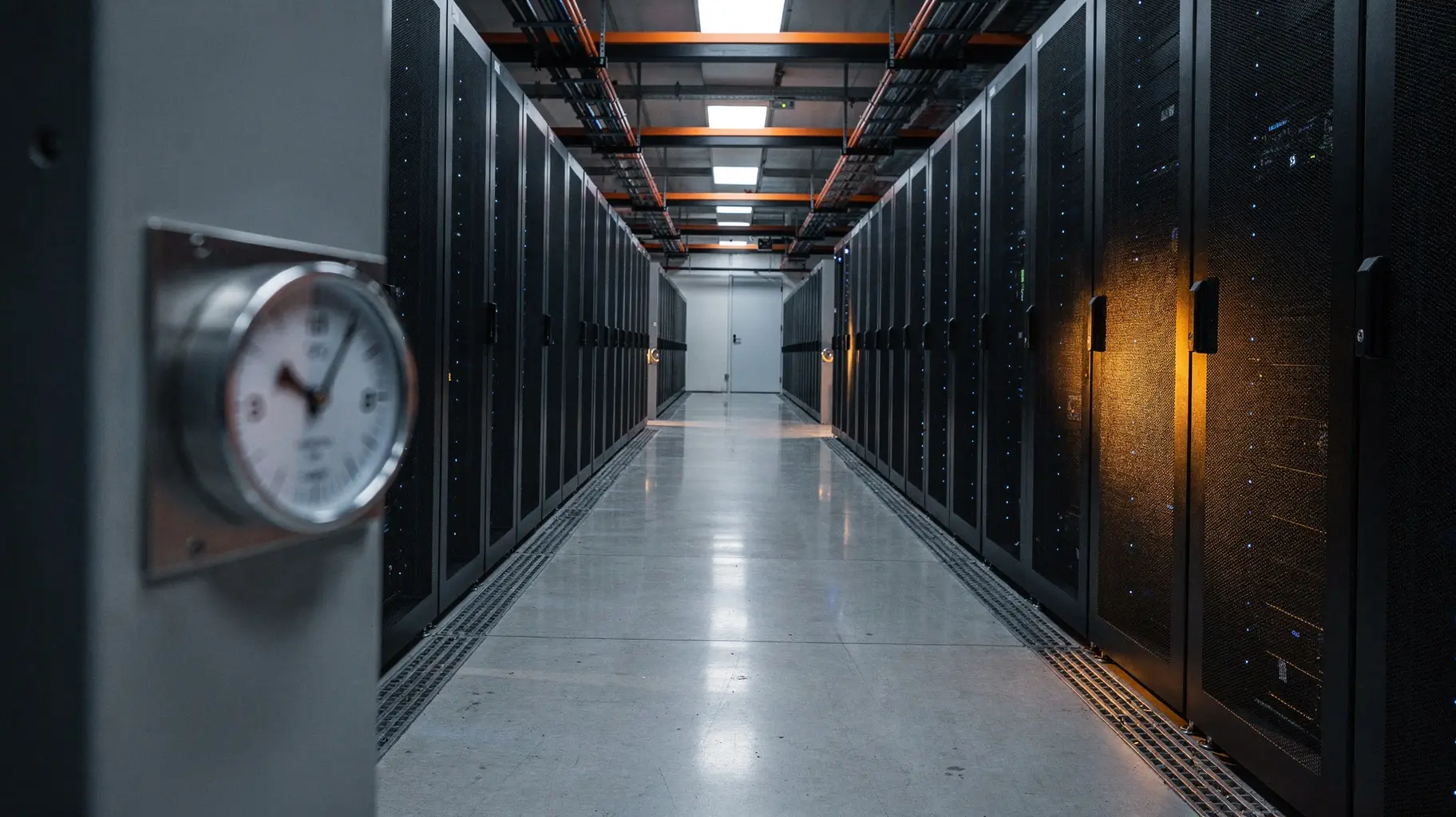
Caption: Libyan Telecom & Technology: rebuilding national networks · Source context: featured article image · Relevance reason: visual context for Libyan Telecom & Technology: rebuilding national networks · Image provenance: BTW media library

Sources

Public references used for this article.

CategoryInstitution

Libyan Telecom & Technology: rebuilding national networks is tracked as a internet infrastructure institution within the internet infrastructure ecosystem.

RegionGlobal

Libyan Telecom & Technology: rebuilding national networks has public-source relevance to network operations, governance, dependency mapping, or market structure.

Signal FocusInternet infrastructure institution

Libyan Telecom & Technology: rebuilding national networks has public-source relevance to network operations, governance, dependency mapping, or market structure.

Content TypeProfile

Libyan Telecom & Technology: rebuilding national networks is tracked as a internet infrastructure institution within the internet infrastructure ecosystem.

Primary DomainGovernance

Public-source signals support medium-impact monitoring for infrastructure visibility and dependency analysis.

TopicInternet infrastructure institution

Libyan Telecom & Technology: rebuilding national networks is profiled by BTW Media because published evidence links it to internet infrastructure, governance, operational dependencies, or market visibility.

ImpactMedium

Public-source signals support medium-impact monitoring for infrastructure visibility and dependency analysis.

Confidence?Confidence Grade
0.90–1.00AHigh — direct sources
0.75–0.89A/BStrong
0.55–0.74B/CMedium
0.35–0.54C/DWeak–medium
0.10–0.34DWeak signal
0.00–0.09DInternal monitoring
Limited confidence (80%)

Several public sources

Libyan Telecom & Technology: rebuilding national networks is profiled by BTW Media because published evidence links it to internet infrastructure, governance, operational dependencies, or market visibility.

  • LTT operates under a state-owned telecom holding structure, focusing on internet infrastructure and national coverage.
  • The company plays a pivotal role in stabilising post-conflict communications and enabling digital access for citizens.

Telecommunications integration for national recovery

Libya Telecommunications & Technology (LTT), the country’s primary Internet Service Provider, is part of the state-backed telecom holding company established under Prime Ministerial Resolution No. 63 of 2005. The umbrella company also owns other key national telcos, including Libyana, Al-Madar, and Libya Hatif. The group was formed to consolidate telecom operations, boost infrastructure investment, and expand internet and mobile coverage to underserved communities across Libya.

As the main internet gateway, LTT has taken on the task of restoring digital access amid ongoing instability. It offers fixed and wireless broadband, including VSAT and DSL services, while working alongside Libya Hatif to support fixed-line connectivity. The government sees LTT’s role as vital in modernising ICT services in both urban centres and remote areas. Despite limited private sector competition, LTT has focused on ensuring network continuity and localised expansion during periods of infrastructure disruption.

Also Read: FutureNet World 2025: Network automation & AI
Also Read: 
Internet Day 2025: Shaping the Future of Connectivity

The Challenge of digital infrastructure and governance

LTT’s resilience is critical in a country where infrastructure has been repeatedly damaged by civil unrest. With Libya’s reliance on a centralised state model for telecommunications, the performance and independence of LTT could determine how quickly citizens regain access to essential digital services. The broader question remains: can a single state-backed entity deliver modern, competitive connectivity?

Regional governments are increasingly turning to public-private partnerships to accelerate innovation. For Libya, the challenge lies in turning legacy infrastructure into a scalable, secure, and commercially viable platform. In this context, LTT’s strategic positioning could either drive progress—or bottleneck it, depending on regulatory openness and long-term investment.


At A Glance

  • Name: Libyan Telecom & Technology: rebuilding national networks
  • Type: Internet infrastructure institution
  • Base: Global
  • Profile focus: Institution

What It Does

  • Public records support monitoring of its role, services, and key relationships.

Why It Matters

  • Public-source signals support medium-impact monitoring for infrastructure visibility and dependency analysis.
  • Operational criticality: Medium
  • Time horizon: Next quarter

What To Watch

  • Monitoring focuses on verified service continuity, governance changes, and relationship signals.
NowMedium priority

Track verified source updates, role changes, and current public evidence.

QuarterMedium policy sensitivity

Public-source signals support medium-impact monitoring for infrastructure visibility and dependency analysis.

YearNext quarter outlook

Longer-term relevance depends on verified operating, policy, and relationship changes.

Member Briefing

Deeper Profile Context

Login is required to unlock the full profile briefing and source notes.

Only for Strategy Circle

Strategic Circle Access

Open to all readers. Unlock profile briefings after joining and logging in.

Join Strategic Circle

Only for Leadership Alliance

Leadership Alliance Access

For owners and management of IP-holding companies. Login required to unlock.

Join Leadership Alliance
← BackAll Companies