
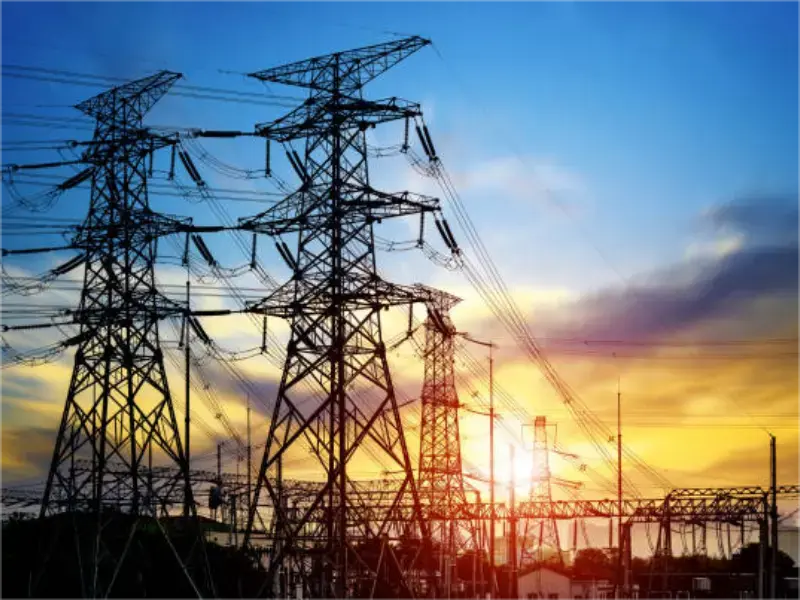
- The electricity supply chain consists of three main segments, including generation, transmission and distribution.
- Electricity is transmitted over long distances using high-voltage transmission lines to minimise energy losses.
- Modern T&D systems incorporate smart grid technologies and integrate renewable energy sources to increase efficiency and adapt to changing energy demands.
The electricity supply chain consists of three main segments: Generation, where electricity is produced. Transmission, which moves electricity over long distances via high-voltage power lines. And distribution, which moves electricity over shorter distances via lower-voltage lines to end users (homes, businesses, industrial sites, etc.).
The efficiency of power transmission and distribution has a direct impact on the reliability, availability and cost of electricity. As the demands on the grid evolve with increased digitalisation and the push towards renewable energy, the role of sophisticated T&D systems becomes more important than ever. Future advances are likely to focus on improving grid resilience, incorporating more sustainable practices and harnessing technological innovation to meet the growing energy needs of the world’s population.
What is electricity transmission and distribution
Power transmission and distribution are the critical stages of getting electricity from power plants to end users. This system forms the backbone of the electrical infrastructure, enabling the flow of electricity over long distances and varied terrain.
Understanding power transmission
The role of high voltage transmission lines: Power transmission is the process of transporting electricity over long distances from generating stations to substations. This is done using high-voltage transmission lines, typically 115 kV (kilovolts) and above, to efficiently minimise energy losses.
Why high voltage? High voltage is used in transmission to reduce the loss of electricity as heat. According to Joule’s Law, power dissipation is proportional to the square of the current times the resistance of the wires. Therefore, by increasing the voltage (and thus reducing the current), the same power can be transmitted with much less loss.
The transmission network: Often referred to as the “highway” of electricity, the transmission grid consists of interconnected transmission lines that allow electricity to move between different geographical areas, providing redundancy and reliability of service.
Substations and transformation
The step-down process: Substations play a key role in the transition from transmission to distribution. Here, transformers step down high voltage electricity to a lower voltage suitable for distribution to consumers.
Safety and management: Substations also contain equipment that regulates power quality, switches lines in and out of the network and provides essential protection for the distribution system.
The distribution network
The last mile of electricity delivery: The distribution network takes electricity from the substations and delivers it to individual customers. This stage uses lower voltage levels, typically below 35 kV.
Different configurations: Residential customers typically receive their electricity in single-phase service, while commercial and industrial customers often use three-phase service to accommodate higher loads.
Safety and accessibility: The design of distribution networks takes into account safety, reliability, accessibility and cost-effectiveness. It involves extensive planning to cover urban, suburban and rural areas.
Also read: US power cos cite data centres as key cause of electricity hike
Modern improvements in transmission and distribution
Smart grid technology: Incorporating smart grid technology into transmission and distribution networks improves efficiency and reliability through real-time data monitoring, automated outage management and adaptive response capabilities.
Renewable integration: Modern T&D systems are increasingly integrating renewable energy sources such as wind and solar. This integration often requires updates and adaptations in network management to handle the variable nature of renewable generation.
Also read: IoT solutions: Transforming industries and enhancing lives
Challenges and innovations
Aging infrastructure: One of the main challenges in existing T&D networks is the ageing infrastructure, which can lead to increased outages and service interruptions.
Upgrades and future trends: Ongoing efforts are underway to upgrade old systems with newer, more efficient technologies, including advanced materials for lines and more efficient transformer solutions.