
AFRINIC governance for the African IP address allocation region.
Governance / RIR Watchdog / AFRINIC
AFRINIC
AFRINIC governance intelligence tracks institutions, policy processes, standards activity, registry operations, accountability disputes, and implementation signals that affect internet infrastructure. BTW.MEDIA organizes public reporting, source-backed analysis, institutional context, and long-running case coverage so readers can follow decision points, governance risk, operational continuity, legitimacy questions, and policy outcomes across the global network ecosystem. Readers comparing RIRs, standards bodies, ICANN processes, network operator groups, public policy actors, accountability disputes, and source evidence can use the page to see which processes are procedural, which signals may change operating assumptions, and which communities are exposed. It gives researchers and infrastructure stakeholders a stable way to compare governance developments by actor, process, evidence, consequence, geography, and operational exposure rather than treating each policy update as an isolated notice. It is written for readers who need to know which governance signals are procedural noise, which ones may change operating assumptions, which institutions or communities are most exposed, and what public evidence supports continued monitoring.
AfricaInstitutional CrisisBoard Legitimacy
Board legitimacy, election integrity, and legal continuity.
Multi-year governance disruption under active monitoring.
Governance breakdown creates precedent for RIR accountability.
Latest Coverage
AFRINIC Headlines
417 articles

Companies
Startups and AFRINIC elections: Africa’s digital future
Structural barriers keep African startups from voting in AFRINIC elections, weakening representation and leaving governance to legacy actors.

Companies
Decentralization vs. centralization in AFRINIC’s electoral model
AFRINIC’s electoral crisis shows how decentralised member control can be undermined by unconstitutional state interference.
Companies
Why AFRINIC’s election security needs stronger legal guarantees in Mauritius
Mauritius annulled AFRINIC’s June vote and staged a September rerun, a process which is lacking legal legitimacy.
Companies
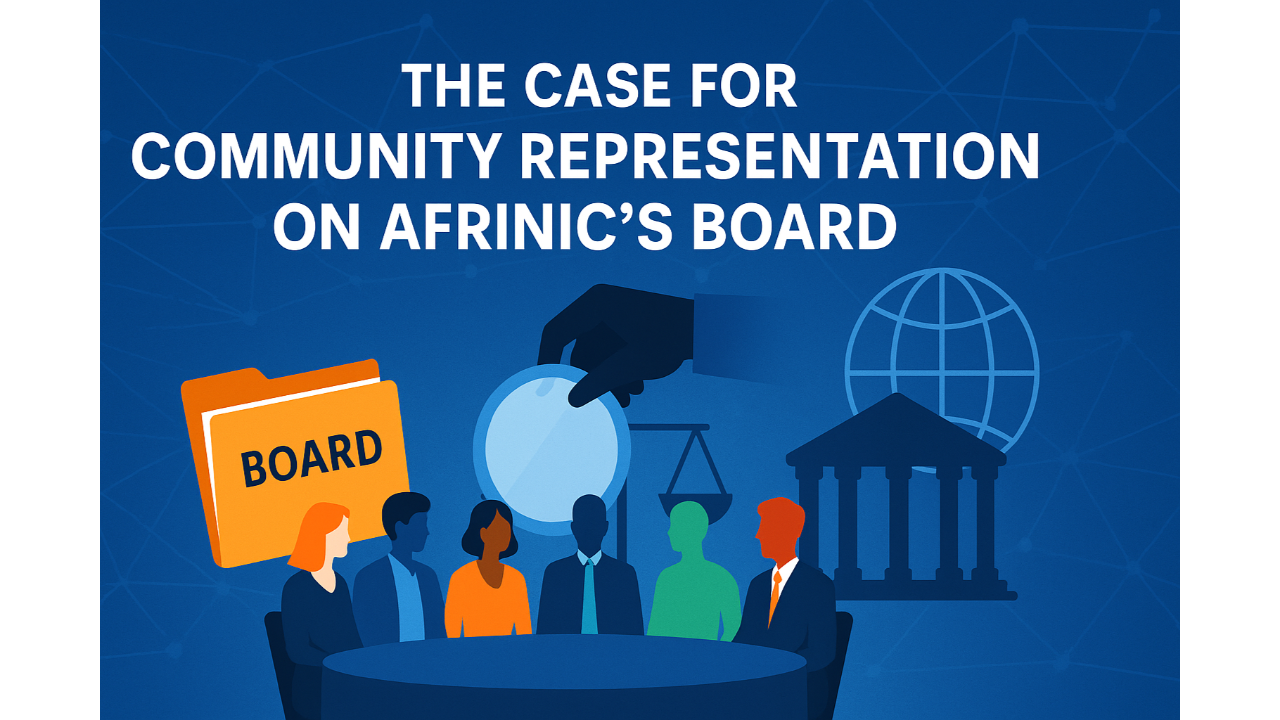
The case for community representation on AFRINIC’s Board
AFRINIC’s September 2025 elections broke bylaws, stripped members’ rights, and deepened fears of capture in Africa’s internet governance.

Companies
AFRINIC’s elections in global perspective
AFRINIC’s election disputes highlight the need for clear processes to maintain Africa’s internet governance credibility.

Companies
AFRINIC elections and policy decisions: Why they shape Africa’s internet future
AFRINIC’s disputed elections are more than a governance issue—they shape the policies that decide Africa’s digital future. Without transparent, accountable processes, critical decisions on IP resource allocation and connectivity risk being captured by elites instead of the…

Companies
How AFRINIC board elections affect IPv4 and IPv6 allocation in Africa
The governance crisis at AFRINIC is directly impacting IP resource management in Africa, with implications for IPv4 and IPv6 allocation.

Companies
AFRINIC elections and policy development
AFRINIC’s policy process suffers as election legitimacy fails; procedural reform is essential for progress.
Companies
How AFRINIC can rebuild confidence after election dispute
AFRINIC must follow law, recognise June election, and resist government interference to regain African community trust.

Companies
Who controls the internet in Africa? The AFRINIC vs. Cloud Innovation case explained
The AFRINIC–Cloud Innovation legal battle underscores Africa’s struggle to maintain regional internet governance amid institutional collapse.
Companies
How AFRINIC election issues affect African ISPs and startups
AFRINIC election disputes put African ISPs and startups at risk. Delays in IP allocation, weak trust, and unstable governance.

Companies
Why AFRINIC’s election legitimacy matters for internet governance globally
AFRINIC’s election legitimacy raise concerns about transparency in internet governance, with implications for Africa and global trust.

Companies
How AFRINIC’s electoral future relies on stronger constitutional safeguards
AFRINIC’s June and September 2025 election failures highlight the urgent need for stronger constitutional safeguards.

Companies
AFRINIC elections and the consequences of weak legal remedies in Mauritius
Mauritius’ AFRINIC election annulment shows how weak legal safeguards invite state capture and foreign interference.

Companies
AFRINIC elections and the importance of judicial independence in Mauritius
Mauritius’ legal uncertainty endangers AFRINIC elections; judicial independence needed to restore community-led governance.

Companies
AFRINIC elections in the shadow of Mauritius’ political polarization
Mauritius’ political polarization affects AFRINIC elections, with legal disputes and contested rules risking trust and fairness.

Companies
AFRINIC elections and Mauritius constitution: Law vs governance
AFRINIC’s election rules, shaped by Mauritius’ constitution, spark repeated disputes and question governance legitimacy.
Companies
Mauritius politics and AFRINIC crisis challenge ICANN
Mauritius politics shapes AFRINIC crisis, raising questions over ICANN’s role and Africa’s internet governance future.

Companies
Why AFRINIC’s electoral integrity is a test of Mauritius’ constitutional strength
The annulment of June’s lawful vote over one proxy dispute exposes inconsistencies in Mauritius’ judicial oversight.

Companies
Lessons from other RIRs on election governance
AFRINIC’s broken election system has left members facing annulled votes, court disputes, and collapsing trust. In contrast, other Regional Internet Registries (RIRs) enforce transparency, independent oversight, and strict bylaw compliance. Cloud Innovation argues Africa must…