Institution Profiling / Internet infrastructure institution

Google expands subsea network with new US–EU cable

Google expands subsea network with new US–EU cable is tracked as a internet infrastructure institution within the internet infrastructure ecosystem.

Google expands subsea network with new US–EU cable
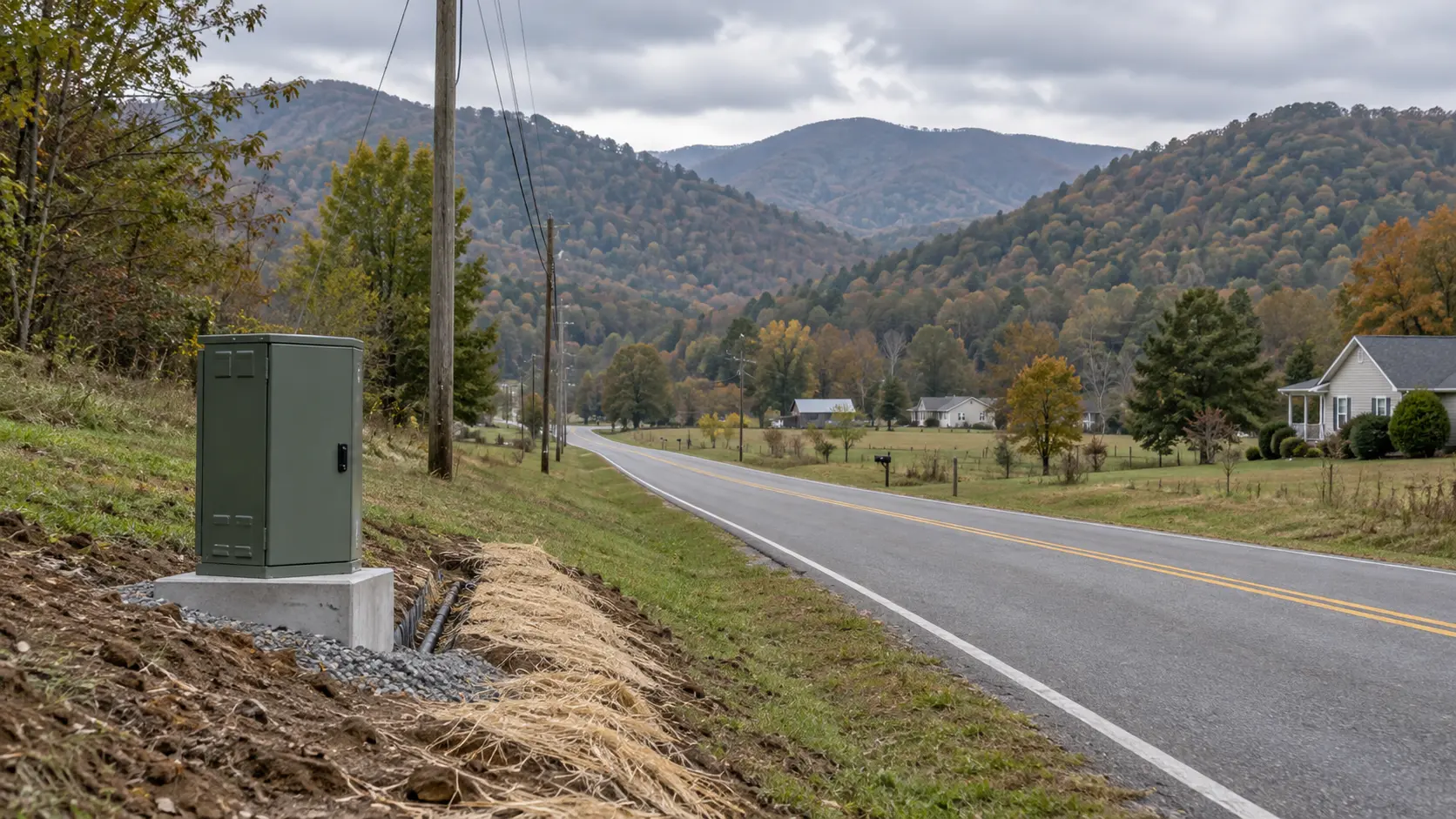
Caption: Google expands subsea network with new US–EU cable · Source context: featured article image · Relevance reason: visual context for Google expands subsea network with new US–EU cable · Image provenance: BTW media library

Sources

Public references used for this article.

CategoryInstitution

Google expands subsea network with new US–EU cable is tracked as a internet infrastructure institution within the internet infrastructure ecosystem.

RegionAfrica

Google expands subsea network with new US–EU cable has public-source relevance to network operations, governance, dependency mapping, or market structure.

Signal FocusInternet infrastructure institution

Google expands subsea network with new US–EU cable has public-source relevance to network operations, governance, dependency mapping, or market structure.

Content TypeProfile

Google expands subsea network with new US–EU cable is tracked as a internet infrastructure institution within the internet infrastructure ecosystem.

Primary DomainGovernance

Public-source signals support medium-impact monitoring for infrastructure visibility and dependency analysis.

TopicInternet infrastructure institution

Google expands subsea network with new US–EU cable is profiled by BTW Media because published evidence links it to internet infrastructure, governance, operational dependencies, or market visibility.

ImpactMedium

Public-source signals support medium-impact monitoring for infrastructure visibility and dependency analysis.

Confidence?Confidence Grade
0.90–1.00AHigh — direct sources
0.75–0.89A/BStrong
0.55–0.74B/CMedium
0.35–0.54C/DWeak–medium
0.10–0.34DWeak signal
0.00–0.09DInternal monitoring
Limited confidence (80%)

Several public sources

Google expands subsea network with new US–EU cable is profiled by BTW Media because published evidence links it to internet infrastructure, governance, operational dependencies, or market visibility.

The Nuvem subsea cable will link South Carolina and Portugal, offering additional capacity for growing digital traffic.
The cable is part of Google’s wider infrastructure strategy and follows recent investments in cloud and AI data centers.


What happened: Google launches Nuvem subsea project

Google announces a new private subsea cable system, named Nuvem, designed to connect the United States and Portugal. The cable will land in South Carolina and the Portuguese town of Sesimbra. It will be built in partnership with SubCom, a US-based undersea cable supplier. According to Google, Nuvem will include advanced fibre technology, allowing it to carry more data and operate efficiently under increasing demand.

The cable is set to be completed in 2026. Nuvem joins Google’s expanding portfolio of private subsea systems, including Firmina (linking the US to South America) and Equiano (connecting Portugal to Africa). The project is part of the company’s larger network strategy, which currently supports over 38 cloud regions globally. Google states the cable will enhance network resilience, reduce latency and offer more secure data movement across continents.

Also read: Sparkle turns subsea cables into seismic sensors with EU backing
Also read: Google announces two new subsea cables for Indo-Pacific connectivity

Why it’s important

The Nuvem cable reflects increasing corporate control over internet infrastructure. As tech firms expand cloud, AI, and enterprise services, they seek direct ownership of the physical systems that support them. Subsea cables now carry around 99% of international internet traffic, making them a key component of global digital trade.

Google’s move follows similar steps by Meta, Amazon, and Microsoft, who have all funded or co-owned subsea cable systems. These projects give large platforms more control over latency, cost, and redundancy. They also raise questions about long-term neutrality, data governance and equitable access to internet infrastructure.

Smaller cloud providers and telecom carriers may struggle to compete as hyperscalers consolidate capacity and build parallel systems. Portugal’s increasing role as a European cable landing hub is part of a broader trend, with EllaLink and Equiano also reinforcing connections between Europe, Africa and the Americas. These investments will shape internet performance and control across the Atlantic for years to come.

At A Glance

  • Name: Google expands subsea network with new US–EU cable
  • Type: Internet infrastructure institution
  • Base: Africa
  • Profile focus: Institution

What It Does

  • Public records support monitoring of its role, services, and key relationships.

Why It Matters

  • Public-source signals support medium-impact monitoring for infrastructure visibility and dependency analysis.
  • Operational criticality: Medium
  • Time horizon: Next quarter

What To Watch

  • Monitoring focuses on verified service continuity, governance changes, and relationship signals.
NowMedium priority

Track verified source updates, role changes, and current public evidence.

QuarterMedium policy sensitivity

Public-source signals support medium-impact monitoring for infrastructure visibility and dependency analysis.

YearNext quarter outlook

Longer-term relevance depends on verified operating, policy, and relationship changes.

Member Briefing

Deeper Profile Context

Login is required to unlock the full profile briefing and source notes.

Only for Strategy Circle

Strategic Circle Access

Open to all readers. Unlock profile briefings after joining and logging in.

Join Strategic Circle

Only for Leadership Alliance

Leadership Alliance Access

For owners and management of IP-holding companies. Login required to unlock.

Join Leadership Alliance
← BackAll Companies