Fixed wireless hits 350 M by 2030 as monetization ramps is profiled by BTW Media because published evidence links it to internet infrastructure, governance, operational dependencies, or market visibility.
Fixed wireless hits 350 M by 2030 as monetization ramps is tracked as a internet infrastructure institution within the internet infrastructure ecosystem.
Fixed wireless hits 350 M by 2030 as monetization ramps has public-source relevance to network operations, governance, dependency mapping, or market structure.
Fixed wireless hits 350 M by 2030 as monetization ramps is tracked as a internet infrastructure institution within the internet infrastructure ecosystem.
Public-source signals support medium-impact monitoring for infrastructure visibility and dependency analysis.
Fixed wireless hits 350 M by 2030 as monetization ramps is profiled by BTW Media because published evidence links it to internet infrastructure, governance, operational dependencies, or market visibility.
Public-source signals support medium-impact monitoring for infrastructure visibility and dependency analysis.
| 0.90–1.00 | A | High — direct sources |
| 0.75–0.89 | A/B | Strong |
| 0.55–0.74 | B/C | Medium |
| 0.35–0.54 | C/D | Weak–medium |
| 0.10–0.34 | D | Weak signal |
| 0.00–0.09 | D | Internal monitoring |
Several public sources
- Over 50% of service providers now offer speed‑tiered 5G FWA, up from 40% in 2024.
- 5G subscriptions reach 2.9B by end‑2025, and FWA projected to hit 350M by 2030.
What happened: Highlights of FWA monetization
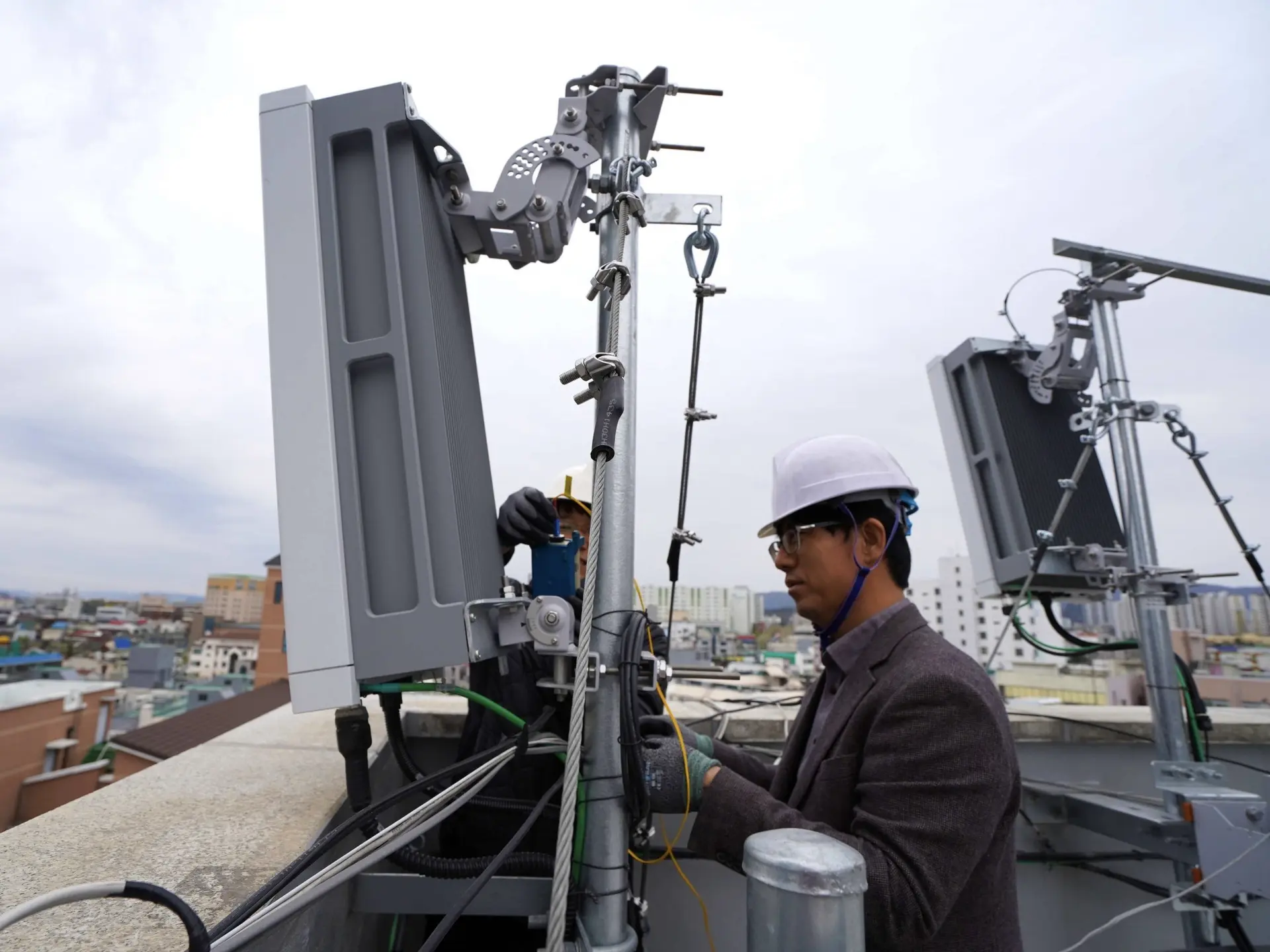
Ericsson published its June 2025 Mobility Report on June 24, showing that about 80 percent of global communication service providers (CSPs) now offer fixed wireless access (FWA). More strikingly, 51 percent of them have introduced speed-based tariff plans using 5G FWA—up from just 40 percent a year ago. This shift is driven largely by North America, Europe, and the Middle East where mid-band coverage is expanding. In addition, Ericsson forecasts 2.9 billion 5G subscriptions by end‑2025 and sees mobile data traffic doubling by 2030.
The report also projects FWA will account for over 35 percent of new fixed broadband connections, reaching 350 million by 2030. This momentum is supported by growing infrastructure deployments and declining costs, backed by real‑world examples such as BT Group’s rollout of 5G standalone (SA) networks covering 40 percent of the UK.
Also Read: VodafoneThree drives broadband expansion with FWA
Also Read: ZTE introduces AI-enhanced FWA solutions
Why it is important
The rising monetization of 5G FWA reflects a structural shift in how CSPs deliver broadband. Speed-tiered pricing allows providers to better align pricing with quality of service, moving beyond the traditional “one plan fits all” model. As more households seek flexible and wireless alternatives to fiber, this strategy strengthens operators’ positions in both urban and rural markets, especially where fiber rollout is costly or slow.
It also reflects growing maturity in 5G standalone (SA) deployments and spectrum use. Operators investing in mid-band and mmWave infrastructure can now convert coverage into revenue, instead of focusing only on data consumption. The report suggests that regions with earlier 5G rollouts—such as the U.S. and parts of Europe—are already seeing returns on network investment through diversified fixed wireless offerings.
Moreover, FWA monetization opens doors to integrated digital services. From bundling cloud storage and smart home platforms to offering fintech services in underbanked areas, CSPs are transforming from pure connectivity providers into full-scale digital enablers. For vendors like Ericsson, this creates momentum for both hardware sales and long-term service contracts in emerging and developed markets

At A Glance
- Name: Fixed wireless hits 350 M by 2030 as monetization ramps
- Type: Internet infrastructure institution
- Base: North America
- Profile focus: Institution
What It Does
- Public records support monitoring of its role, services, and key relationships.
Why It Matters
- Public-source signals support medium-impact monitoring for infrastructure visibility and dependency analysis.
- Operational criticality: Medium
- Time horizon: Next quarter
What To Watch
- Monitoring focuses on verified service continuity, governance changes, and relationship signals.
Track verified source updates, role changes, and current public evidence.
Public-source signals support medium-impact monitoring for infrastructure visibility and dependency analysis.
Longer-term relevance depends on verified operating, policy, and relationship changes.
Member Briefing
Deeper Profile Context
Login is required to unlock the full profile briefing and source notes.
Only for Strategy Circle
Strategic Circle Access
Open to all readers. Unlock profile briefings after joining and logging in.
Join Strategic CircleOnly for Leadership Alliance
Leadership Alliance Access
For owners and management of IP-holding companies. Login required to unlock.
Join Leadership Alliance