
Impact
Critical
Within the Impact facet, Critical impact intelligence highlights articles where the expected effect level, operational exposure, or decision relevance is comparable. Readers can use the page to separate routine market updates from higher-consequence governance, infrastructure, security, and investment signals that may affect planning, procurement, policy, or customer exposure. The page connects the consequence band to public evidence, related organisations, regional context, operating dependencies, service continuity, competition, investment timing, compliance, and customer risk. It helps readers decide which developments deserve deeper monitoring, which actors are most exposed, and how a signal may affect operations or market planning.

North America Cloud Services Trends
Rollback has not happened until every edge population proves the old decision is gone
A control plane can accept the previous Fastly service version in seconds. The business is not restored until requests across the edge stop encountering the withdrawn rule, artefact or cache decision—and the evidence covers the populations that matter.

Global National Telecom
Tonga's 2022 Cable Break Turned Redundancy and Repair Logistics Into a National Continuity Test
When Tonga's only international submarine fibre route failed after the Hunga eruption, an extraordinary natural hazard became a test of ordinary continuity controls: diverse paths, usable fallback capacity, compatible spares, repair-vessel access, restoration priorities and…

Global National Telecom
T-Mobile's 2020 outage made failover-path assurance a carrier accountability test
A fiber transport link failed for twelve minutes on June 15, 2020. T-Mobile's nationwide voice and text disruption lasted more than twelve hours. The difference between those two intervals is the accountability story: an intended alternate path could not carry the signaling sent…

Europe and Middle East Cloud Services
CloudNordic made backup separation a hosting-continuity accountability test
The August 2023 ransomware incident showed what happens when a hosting provider loses not only customer systems but also the provider-controlled route back to them. The central question is not whether backups existed by name. It is whether production, administration, migration…

Global Institutional
Oracle E-Business Suite and the Accountability Gap in Emergency Patching
Oracle's October 2025 security alert did not present CVE-2025-61882 as a simple one-file repair. The emergency update depended on the October 2023 Critical Patch Update already being in place. That prerequisite turned an urgent vulnerability notice into a test of work performed…

Global Institutional
WanaBana Made Importer Verification and Recall Execution a Children's Food-Safety Accountability Test
The investigation into lead and chromium associated with WanaBana, Schnucks and Weis apple-cinnamon puree products began with a signal close to the people at risk. Public-health workers in North Carolina investigating elevated blood-lead results in young children identified a…

Global Cloud Services
Cloudflare's Bot Feature-File Failure Made Global Configuration an Accountability Test
Cloudflare's global outage on 18 November 2025 began with a database access-control change. The change altered the results of a metadata query. Those results fed an automatically generated Bot Management feature file. The file doubled in size, moved through a global distribution…

North America Institutional
McDonald's Quarter Pounder Outbreak Made Ingredient Traceback and Recall Scope an Accountability Test
The 2024 E. coli O157:H7 outbreak associated with Quarter Pounder hamburgers was not resolved by a single decisive test. It was managed through epidemiology, ingredient traceback, competing hypotheses, bounded laboratory evidence, withdrawal decisions and a supplier recall. That…

North America Institutional
Blue Bell Made Listeria Control and Recall Escalation a Manufacturing Accountability Test
The 2015 Blue Bell investigation shows why food-safety accountability depends on the escalation system connecting uncertain test results to holds, shutdowns, customer warnings, recall expansion and evidence-based restart.
North America Institutional
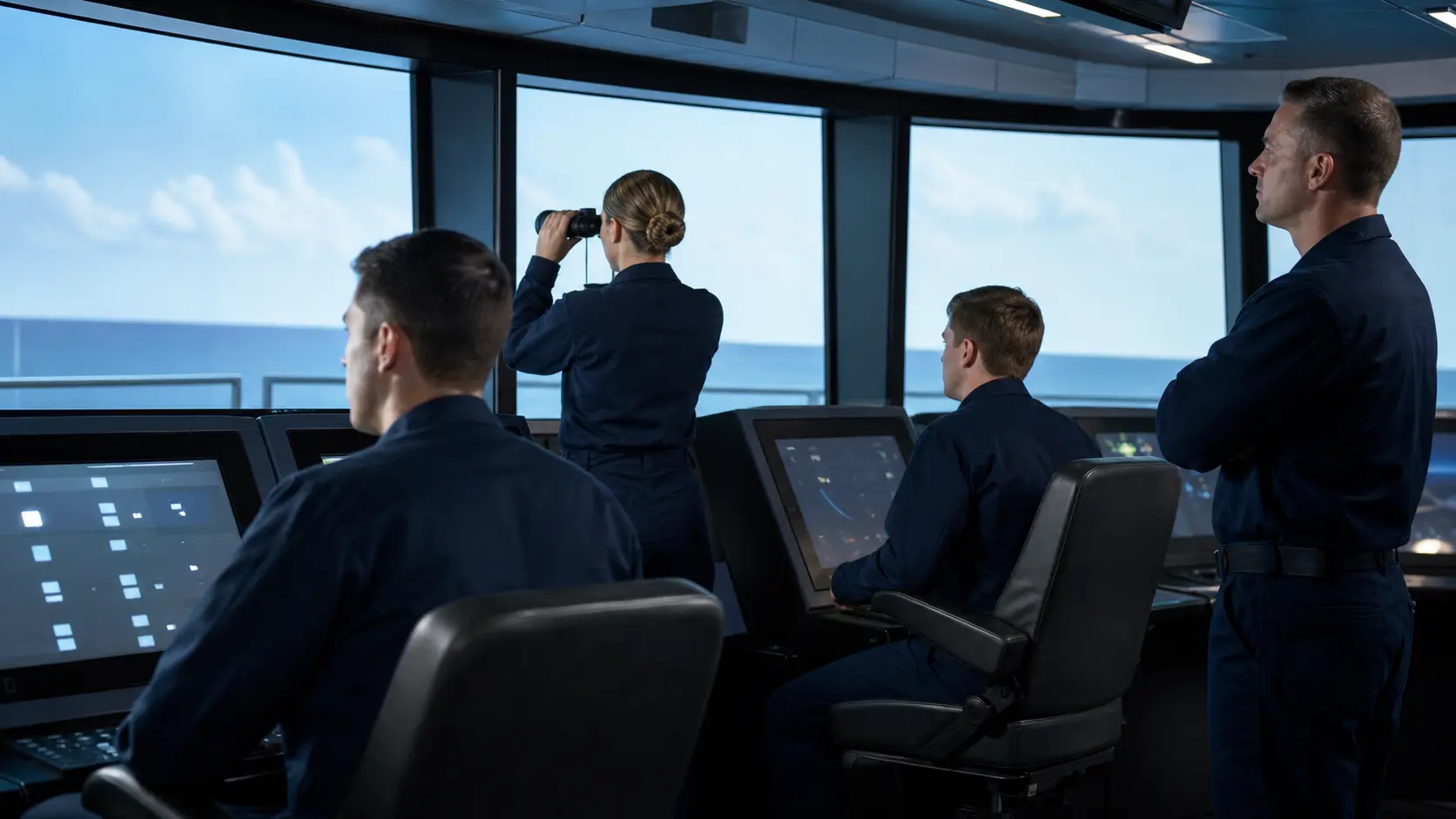
The Seventh Fleet Collisions Made Readiness Certification an Operational-Risk Accountability Test
The 2017 deaths aboard USS Fitzgerald and USS John S. McCain exposed two different navigation failures and one shared institutional question: what evidence should be required before a warship is represented as ready for demanding operations?

Global Cloud Services
SharePoint ToolShell Made On-Prem Collaboration a Patch-Readiness Accountability Test
The 2025 ToolShell exploitation record shows that keeping collaboration infrastructure on premises also means owning inventory accuracy, supported-version planning, emergency isolation, patch deployment, key rotation, compromise assessment, and executive escalation.

North America Cloud Services
PowerSchool Made Student Data Custody a Contractor-Access Accountability Test
The December 2024 incident turned a school software vendor's support access, historical records, ransom decision, and district notification duties into a test of who governs student data before control is lost.

North America Institutional
HealthEquity Made HSA Data a Vendor-Access Accountability Test
HealthEquity's 2024 incident showed why a business-partner account and an unstructured repository can carry core accountability even when HSA transaction systems keep running.

North America Institutional
Patriot made clock drift a battlefield-software accountability test
The 1991 Dhahran failure was not just a rounding-error anecdote; it tested whether software timing limits, operating assumptions and warning paths matched live deployment duration.

North America National Telecom
AT&T Made Wireless Continuity a Configuration-Accountability Test
AT&T Mobility's February 2024 outage shows how a production configuration error, failed peer review, missing safeguards, and overloaded registration systems turned a three-minute change into a twelve-hour recovery problem.
North America Institutional
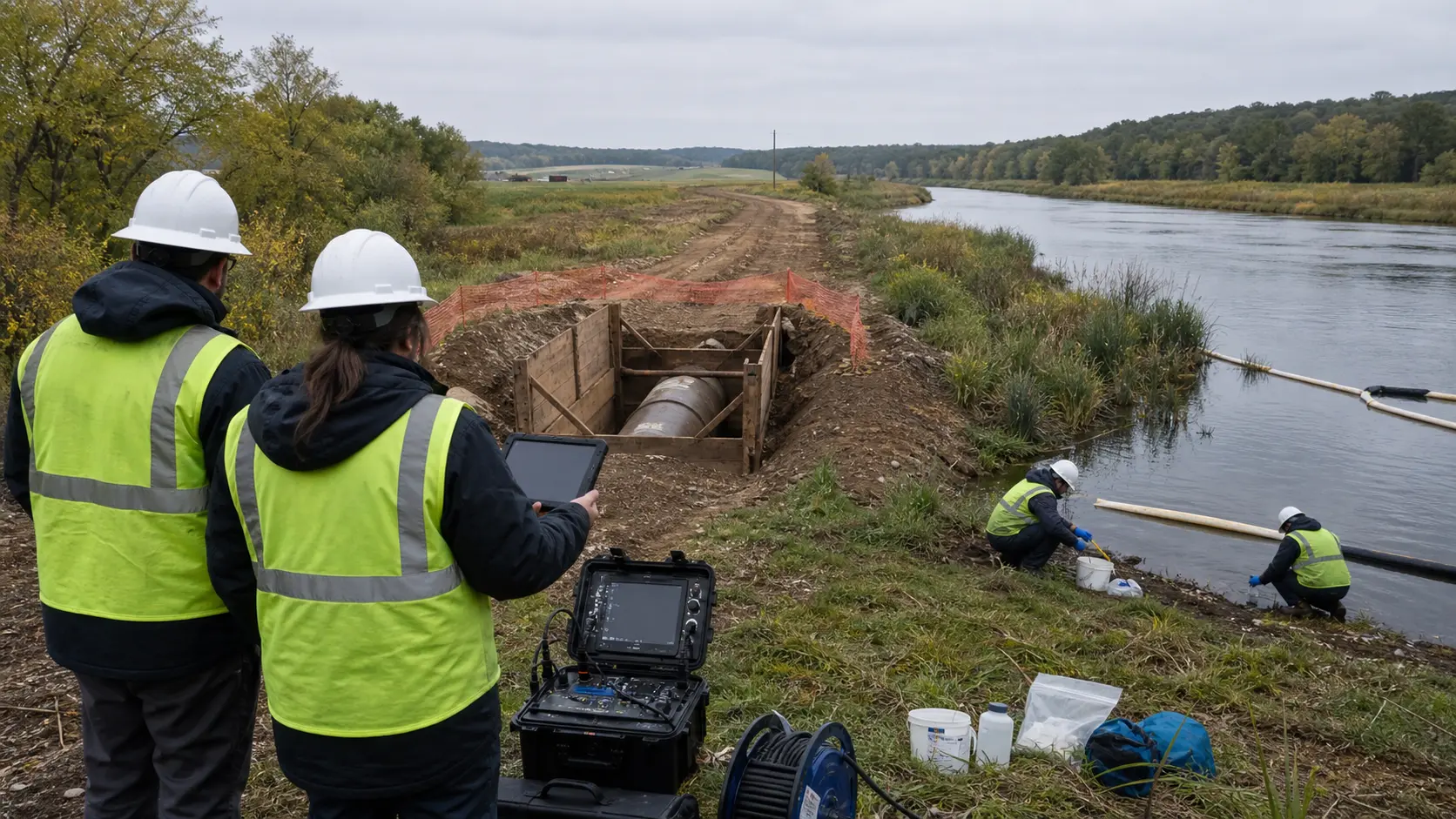
Enbridge Line 6B made control-room response and integrity management an oil-pipeline accountability test
The Line 6B rupture shows that pipeline integrity, alarm diagnosis, restart authority and river response must operate as one auditable safety system rather than as separate technical programs.

Global Institutional
Samarco's Fundão dam made tailings governance and river restoration a mining accountability test
Fundão shows why a tailings facility, its warning system and the watershed below it must be governed as one long-duration public-risk system, with evidence that remains usable from design through compensation and ecological recovery.

North America Institutional
San Bruno made pipeline records and automatic shutoff a gas-safety accountability test
San Bruno shows why a gas utility must treat pipe records, material verification, integrity assessment, control-room recognition and rapid isolation as one safety system rather than separate engineering and administrative functions.
North America Institutional
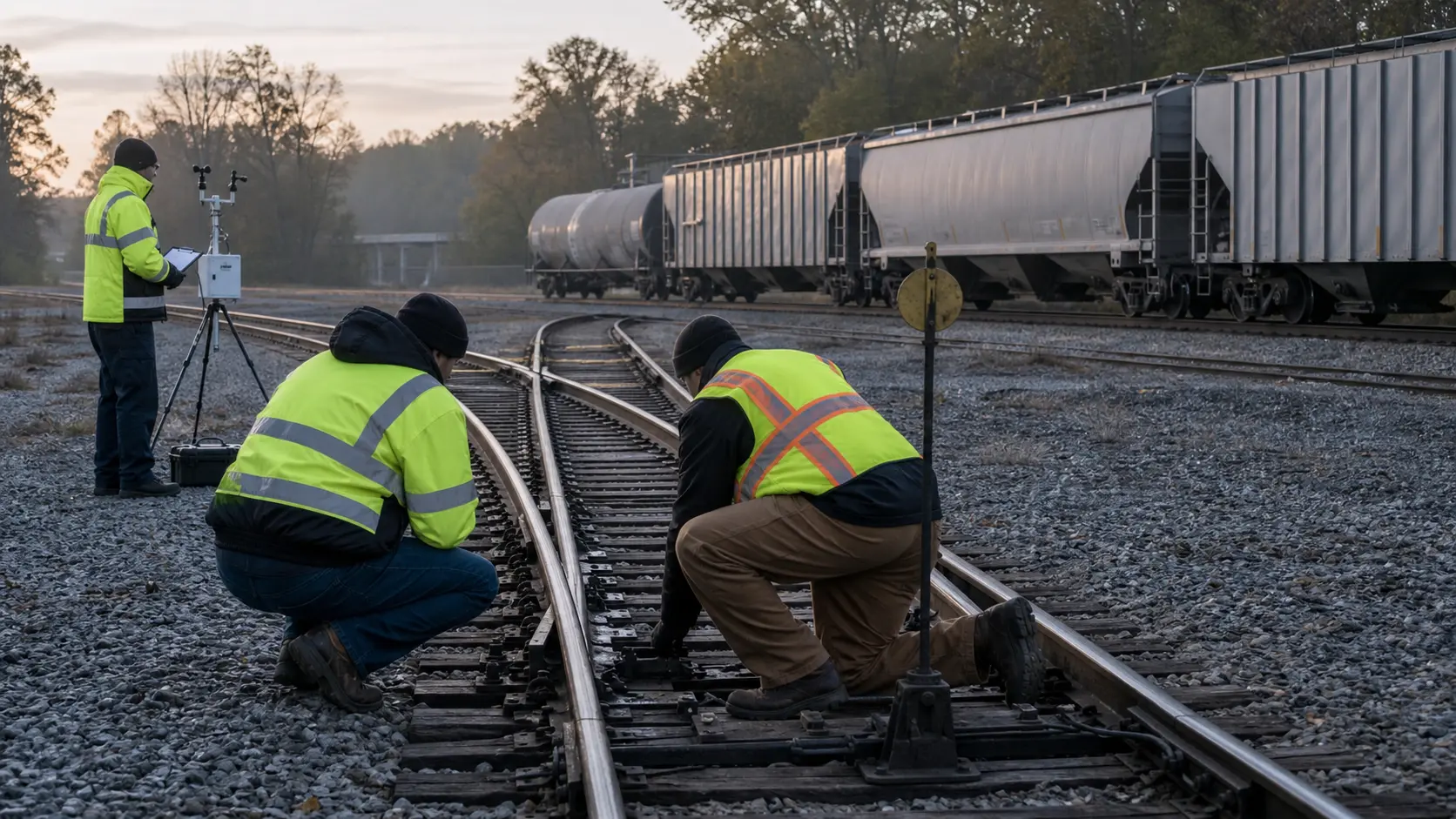
Graniteville made railcar routing and community warning a chlorine-transport accountability test
The Graniteville collision and chlorine release show why a hand-operated switch, a pressure tank car, train-crew protection and community warning must be governed as one hazardous-material transport system rather than as separate operating, equipment and emergency-response…

Asia-Pacific Institutional
Montara made well-control barriers and offshore oversight an oil-spill accountability test
The Montara blowout shows why offshore well control must be governed through verified physical barriers, competent execution, independent regulatory challenge, credible spill response and long-tail environmental and civil-remedy evidence rather than through procedural confidence…