
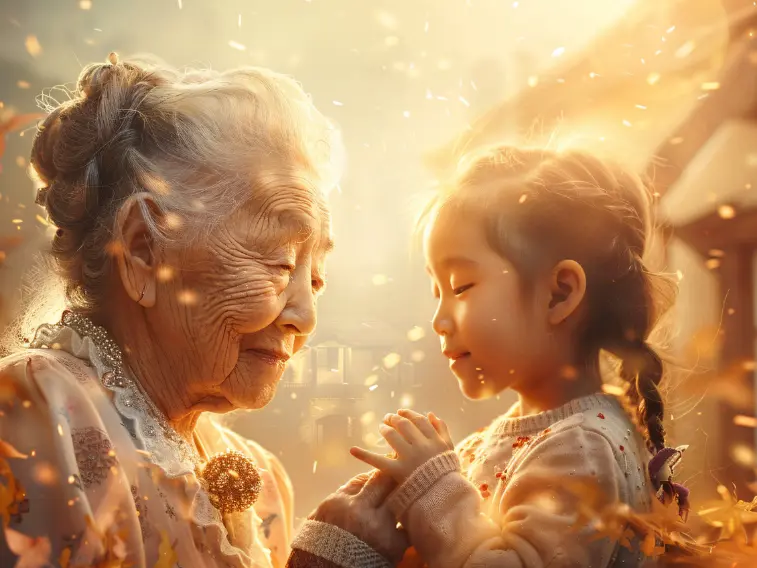
- AI technologies now offer innovative ways to create digital memorials, presenting new possibilities for commemorating loved ones.
- These advancements raise significant ethical concerns regarding privacy, authenticity, and emotional manipulation.
OUR TAKE
The idea of AI memorials tugs at my heart in conflicting ways. I understand the appeal of having a digital semblance of a loved one, but it feels like trying to hold onto a shadow. Nothing can replace the warmth of a real hug, the sound of genuine laughter, or the feeling of being truly known and loved. For me, the memories of my grandmother are sacred and deeply personal. I worry that interacting with an AI version of her would be like grasping at an illusion, a temporary comfort that could ultimately deepen my grief. We must tread carefully, ensuring that our embrace of technology doesn’t distance us from the raw, authentic emotions that make us human.
Doris Du, BTW reporter
In an era where technology blurs the lines between reality and simulation, AI-driven memorials offer both solace and ethical dilemmas, challenging traditional notions of remembrance and raising profound questions about the sanctity of memory. How can we navigate this delicate balance between digital preservation and emotional authenticity?
A personal perspective on loss
My grandmother was a source of immense love and care in my life. Even as her health declined, she always made sure I was well-fed, worrying over my torn jeans, calling them a sign of poverty rather than fashion.
In reality, my grandmother had many grandchildren and due to some traditional preferences for sons over daughters, our bond wasn’t particularly deep. I was primarily raised by my paternal grandmother. I used to joke that she wouldn’t miss one granddaughter among many.
A few days before she left us, I visited her in the hospital. She was so thin, almost skeletal, but her spirit remained vibrant. She laughed, talked, and cared for me as always, even insisting on giving me food and lamenting my torn jeans. This is my last memory of her. If I hadn’t seen her with my own eyes, I wouldn’t have believed that the once plump and spirited woman had become so frail.
I remember clearly that my grandmother was diagnosed with advanced stomach cancer when I finished my university entrance exams. My mom, uncles and aunts were secretly heartbroken and tried to shield her from the worst of it. Just one year later, she was gone, after enduring multiple surgeries. Even a week before she passed, knowing the surgery was risky and that she might not survive, she still wanted to try. No one expected that it would hasten the end of her life.
This was my first experience of losing a family member. The pain and longing weren’t constant but would hit me at certain moments: visiting my grandfather during the New Year, passing by the hospital where she stayed, or wearing those torn jeans she once pitied. These moments made me realise she was truly gone.
The last thing she left me was a batch of green tangerines she had planted, perfectly sour to my taste. My mother gave them to me. I sat in my college dorm, slowly eating oranges, tears silently streaming down my face.
Losing my grandmother was a profoundly emotional experience, a moment that still resonates deeply within me. As I grapple with her absence, I often wonder about the role AI could play in preserving her memory. Would interacting with a digital version of her provide comfort or deepen my grief? This question is at the heart of the ethical debate surrounding AI in memorialisation.
Authenticity and emotional impact
After my grandmother passed away, the void she left was palpable. Her presence, her voice, her quirks — these were irreplaceable parts of my life. The idea of an AI-generated memorial, where I could see her face or hear her voice again, is both tempting and unsettling. It offers a semblance of continued presence, a digital echo of a loved one. Yet, would this be a genuine connection or a mere illusion?
The authenticity of these digital interactions is a significant concern. AI can mimic my grandmother’s voice and personality, but it cannot replicate the warmth of her touch or the depth of her love. Interacting with an AI version of her might feel like grasping at shadows, a fleeting comfort that might hinder my ability to move forward and accept her loss. It raises the question: are we truly preserving memories, or are we creating artificial constructs that delay our healing process?
AI’s role in digital memorials
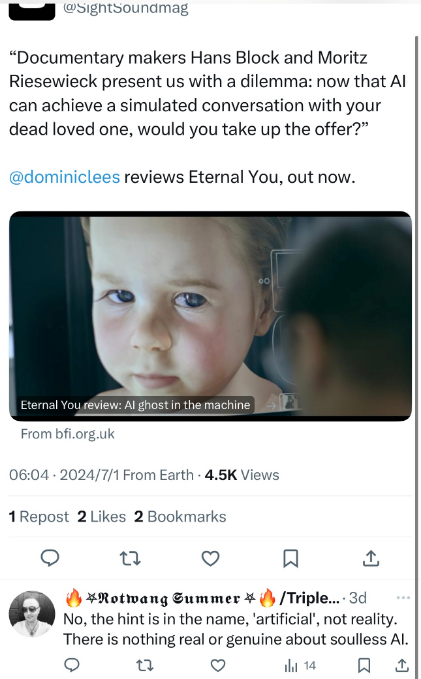
As AI technologies advance, they offer unprecedented capabilities to generate digital memorials and simulate interactions with the deceased. For instance, companies like Eternime use AI to create digital avatars that can mimic the personalities and voices of deceased individuals. These avatars can interact with loved ones, offering a semblance of continued presence and comfort. This technology holds great promise for preserving memories and providing solace, but it also brings up profound ethical questions.
Impact on the grieving process
The psychological implications of AI-generated memorials are significant. While these digital avatars can provide comfort and a sense of continued presence, they can also complicate the grieving process. By offering an artificial interaction with the deceased, they may delay emotional healing and acceptance of loss. Ethical guidelines are essential for developers and users of AI in memorialisation, ensuring these technologies support, rather than hinder, the grieving process.
Future directions and responsible AI use
Ethical AI development is crucial for ensuring responsible and respectful use of AI in commemorating loved ones. Strategies should include transparent practices, informed consent, and robust ethical frameworks guiding AI applications in memorialisation. Developers must prioritise the well-being of users, balancing technological possibilities with ethical considerations to create meaningful and respectful digital memorials.
Pop Quiz:
What is a major ethical concern with AI-generated memorials?
A. Cost of technology
B. Authenticity and emotional impact
C. Technical complexity
D. Accessibility
The correct answer is at the bottom of the article.
Real-world examples
Real-world examples illustrate both the promise and pitfalls of AI in memorialisation. For instance, the company HereAfter AI offers services to record and preserve personal stories for future generations, creating interactive experiences for loved ones. These digital memorials use AI to curate and present memories, allowing users to interact with their loved one’s stories in an engaging way. HereAfter AI founder, James Vlahos, developed this technology after creating a “Dadbot” that mimicked his father’s voice and personality, preserving his father’s memories and stories even after his passing. However, ethical guidelines must be followed to ensure these interactions remain respectful and supportive. Transparency, user consent, and cultural sensitivity are essential in guiding the responsible use of AI in this deeply personal domain.

Also read: Should dead children be given an AI ‘afterlife’?
Also read: Google struggles to meet its climate goals in Gemini AI era
Impact on society
The integration of AI in memorialisation has broader implications for society. As these technologies become more prevalent, they challenge traditional notions of memory and legacy. The ability to digitally preserve and interact with the deceased changes how we think about death and remembrance, potentially altering our grieving processes and cultural practices. This shift necessitates ongoing dialogue and reflection, ensuring that we navigate the ethical complexities with care and sensitivity.
Opinion summary
The ethical complexities of AI in memorialisation are multifaceted and profound. As we navigate the evolving role of technology in how we remember and honour our loved ones, it is essential to prioritise ethical considerations. AI offers remarkable possibilities for preserving memories and providing comfort, but it must be used responsibly. Balancing innovation with respect and empathy ensures that these technologies genuinely support the grieving process, rather than complicating it.
Embracing ethical guidelines and fostering cultural sensitivity will enable us to harness the potential of AI in a way that honours the sanctity of memory and the depth of human connection.
As we embrace these advancements, we must continually question their impact on our emotional well-being and societal norms. Are we enhancing our ability to remember and cherish loved ones, or are we merely fabricating illusions that mask our true feelings? It’s crucial to approach AI-driven memorials with a critical eye, ensuring that they enhance rather than diminish the human experience of loss and remembrance. Balancing innovation with empathy is key to preserving the sanctity of memory in an increasingly digital age.
The correct answer is B. Authenticity and emotional impact.