
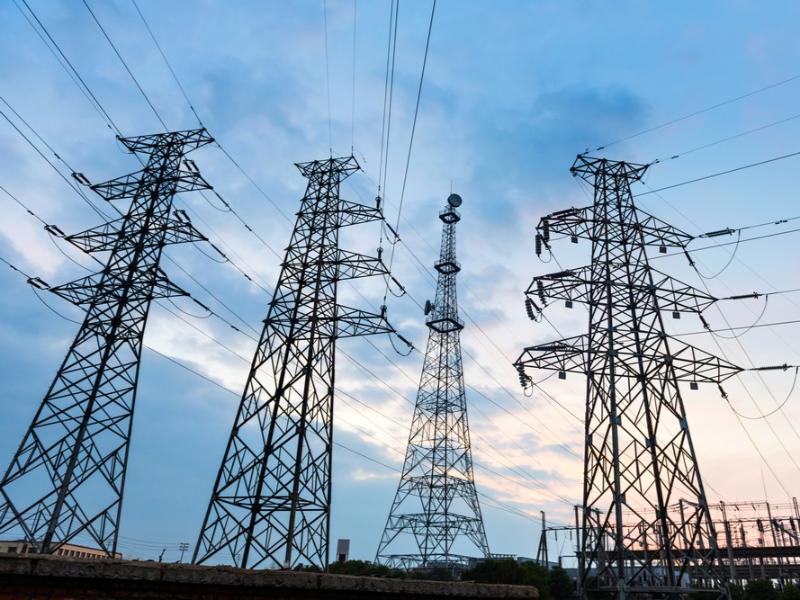
- Distributed generation (DG) refers to electricity generation done by small-scale energy systems installed near the energy consumer.
- It involves producing electricity from local sources such as solar PV, wind turbines, CHP, biomass, and hydroelectric systems.
As the world shifts towards cleaner and more sustainable energy sources, distributed power generation is becoming increasingly vital. This decentralised approach not only reduces reliance on large centralised power plants but also paves the way for a more resilient and environmentally friendly energy future.
What is distributed power generation
Distributed power generation, often referred to as distributed energy resources (DERs), involves producing electricity from small-scale power sources located close to where it is consumed. Unlike traditional power generation, which relies on large, centralised facilities that transmit electricity over long distances, distributed generation utilises a variety of technologies installed at or near the point of consumption.
Also read: Exploring nuclear power plants: Engineering energy solutions
What are examples of distributed energy resources
Solar photovoltaics (solar PV): Panels installed on rooftops or in small ground-mounted arrays generate electricity directly from sunlight.
Wind turbines: Smaller wind turbines can be installed in urban and rural areas to produce clean electricity.
Combined heat and power (CHP): Also known as cogeneration, this technology captures heat generated during the production of electricity and uses it for heating purposes, significantly increasing overall efficiency.
Biomass: Organic materials, such as wood chips or agricultural waste, can be converted into electricity and heat.
Hydroelectric: Small-scale hydroelectric systems harness the power of water to generate electricity.
These technologies not only help reduce carbon emissions but also provide a more flexible and responsive energy supply, enhancing grid stability and reliability.
Also read: From atoms to energy: Common sense nuclear power on the rise
Benefits of distributed power generation
Enhanced reliability and resilience
One of the most significant advantages of distributed generation is its ability to enhance the resilience of the electrical grid. When multiple smaller power sources are connected to the grid, the system becomes less vulnerable to widespread outages. If a centralised power plant fails, localised generation sources can continue to provide electricity to nearby communities.
Reduced transmission losses
Electricity transmitted over long distances experiences losses due to resistance in the wires. With distributed generation, much of the electricity is produced and consumed locally, reducing these transmission losses and improving overall efficiency.
Economic benefits
By generating electricity closer to the point of use, distributed power generation can reduce the need for costly infrastructure upgrades and expansion. Additionally, homeowners and businesses that install solar panels or other renewable technologies can benefit from lower energy bills and potentially earn revenue by selling excess electricity back to the grid.
Environmental impact
Distributed generation, especially when based on renewable sources, significantly reduces greenhouse gas emissions and air pollution compared to fossil fuel-based power plants. This shift towards cleaner energy sources is crucial for combating climate change and improving public health.
Challenges and solutions of distributed power generation
Despite the many benefits, distributed power generation faces several challenges that need addressing:
Intermittency and storage: Renewable energy sources like solar and wind are intermittent, meaning they produce electricity only when the sun shines or the wind blows. To address this, advanced battery storage systems are being developed to store excess energy generated during peak times for use when generation is low.
Grid integration: Integrating distributed generation into existing electrical grids requires careful management to ensure stability. Smart grid technologies and advanced software solutions are being implemented to monitor and balance the flow of electricity more effectively.
Regulatory framework: A supportive regulatory environment is essential for the growth of distributed generation. Policies that encourage investment in renewable technologies, such as feed-in tariffs and tax incentives, are critical for accelerating adoption.