- Translates quantum states across multiple encoding formats with <4% fidelity loss
- Operates at room temperature using existing telecom fibre infrastructure
What happened
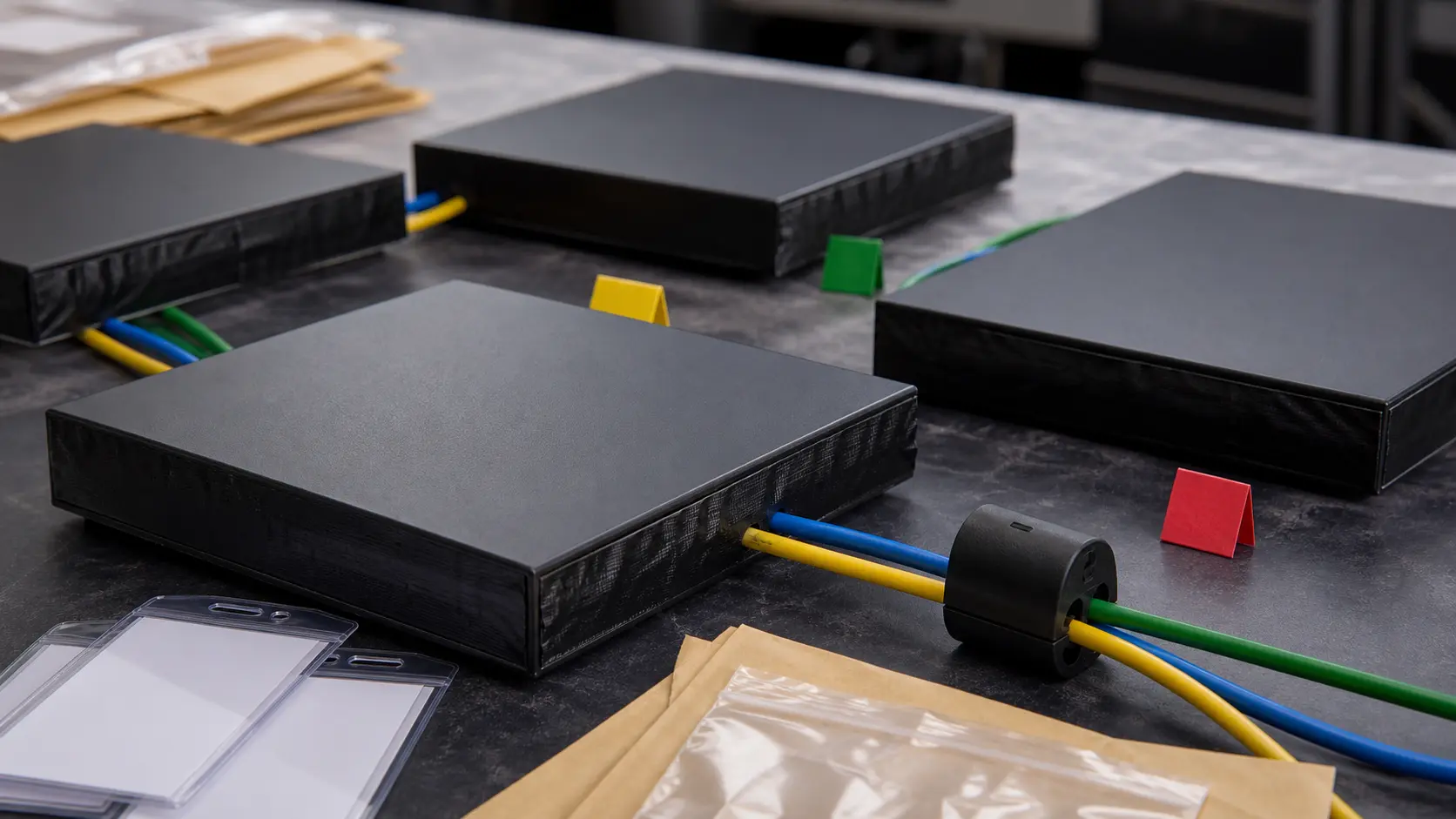
Cisco has launched a Universal Quantum Switch prototype designed to connect different types of quantum computing systems. The device enables quantum information to move between heterogeneous architectures, including photonic, superconducting and atomic-based systems.
It supports multiple quantum encoding formats such as polarisation, time-bin, frequency-bin and path encoding. The switch translates quantum states between these formats while preserving entanglement during transmission. Cisco reports early testing shows fidelity loss remains below 4 percent.
The system operates at room temperature and runs over standard telecom fibre infrastructure rather than specialised quantum environments. Cisco positions the switch as part of its broader quantum networking programme focused on linking incompatible quantum systems.
Also read: AWS & Lumen launch last-mile cloud connectivity service
Also read: Ericsson and Freshwave launch shared indoor 5G platform in the UK
Why it’s important
Quantum computing today is structurally fragmented. Different hardware approaches cannot communicate, which limits any path towards scalable distributed quantum systems.
Cisco is addressing this gap by introducing a routing and translation layer for quantum information. This shifts the focus from quantum computation itself to the connectivity layer between systems—treating quantum processors as nodes that require network infrastructure to function together. It is the same position Cisco held in classical networking, where value was created at the switching and routing layer rather than at the compute layer. Rather than competing in quantum hardware, Cisco is positioning itself in the interconnect layer that could define how future quantum systems communicate.
The use of standard telecom fibre is a structural decision. It suggests quantum networking may evolve on top of existing telecom infrastructure rather than through isolated quantum-specific networks. That brings telecom operators directly into the potential future quantum stack.
However, the system remains experimental. While sub-4 percent fidelity loss indicates progress in quantum state routing, it is not sufficient for fault-tolerant or long-distance quantum networking. Major technical barriers such as entanglement stability and error correction at scale remain unresolved.