
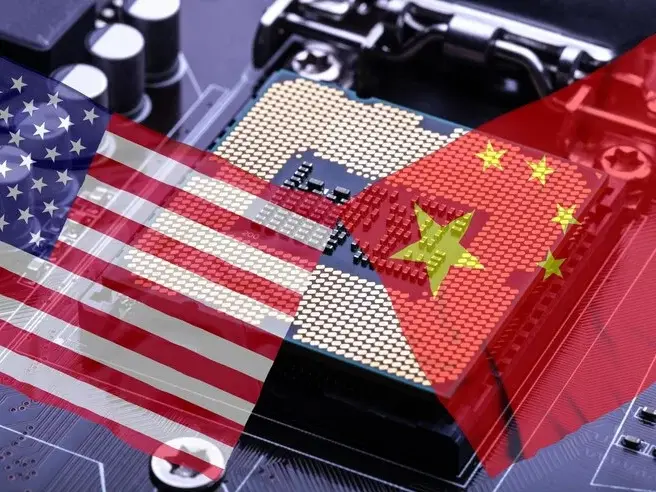
- China criticizes the Biden administration’s tightening of semiconductor export rules, arguing that it creates more trade hurdles and uncertainty in the chip industry.
- The Commerce Ministry spokesperson emphasizes that the US measures harm legitimate rights and interests of Chinese and foreign enterprises, affecting mutually beneficial cooperation and prompting China’s firm opposition to the move.
Delve into the escalating US-China tech tensions as China criticizes US semiconductor export rules. Explore the impact on major players like Nvidia and AMD and the broader implications for global trade and industry stability amidst geopolitical maneuvering.
The tensions negatively impact on global trade stability
Amidst the escalating tensions between the United States and China, a fresh salvo has been fired in the realm of technology, particularly impacting the semiconductor industry. The Biden administration’s recent revisions to rules governing semiconductor exports have sparked sharp criticism from Beijing, with China lambasting the move as detrimental to global trade and semiconductor stability.
According to a spokesperson from China’s Commerce Ministry, the tightened rules not only pose additional trade barriers but also inject profound uncertainty into the semiconductor sector. By broadening the scope of national security concerns and imposing stricter control measures, the US has allegedly impeded normal economic cooperation between Chinese and American companies.
The repercussions of these measures have rippled across the industry, affecting major players like Nvidia and AMD. Last October, the US implemented export restrictions, exacerbating tensions between the two economic powerhouses.
Also read: Japan to partner with EU in researching chips and EV materials
Attitude of China
In response, China has expressed its readiness to collaborate with all stakeholders to bolster cooperation and ensure the security and stability of the semiconductor industry.
“China is ready to work with all parties to strengthen mutually beneficial cooperation and promote the security and stability of the global semiconductor industry and supply chain,” the spokesperson said.