
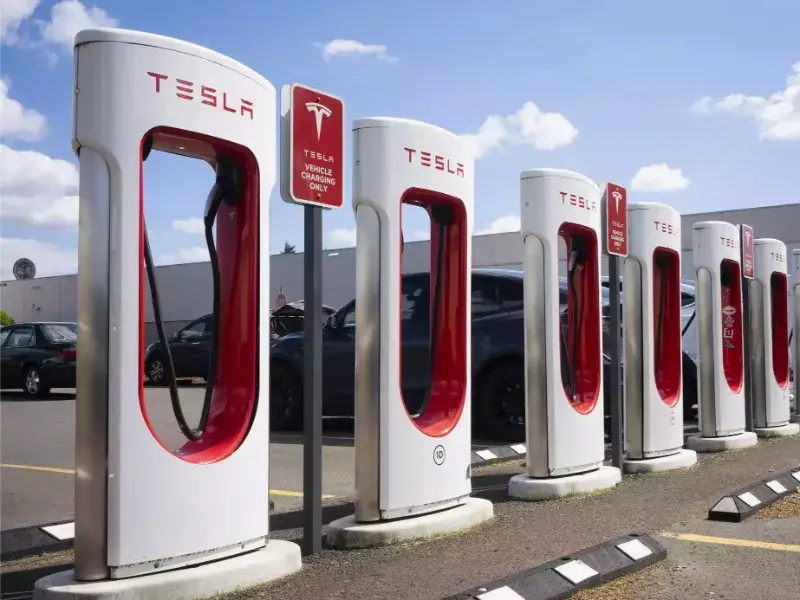
Tesla vehicles use a proprietary charging connector and protocol called the Tesla Supercharger Network, which other EVs can’t use. Using an adapter could allow certain non-Tesla electric cars to be charged on Tesla’s destination chargers. While Tesla has its own extensive network of superchargers tailored to Tesla vehicles, other electric vehicles (EVs) often use different charging standards, and compatibility between Tesla chargers and non-Tesla EVs is not widespread without additional equipment.
The exclusivity of Tesla’s charging technology limits the access of other electric vehicles, and achieving greater compatibility and interoperability between charging networks remains an important goal in advancing the sustainable development of electric vehicles. Tesla Supercharging network Not all EV s can use Tesla chargers, mainly because of Tesla’s proprietary charging technology. Tesla, a pioneer in the electric vehicle market, has built an extensive charging network called Tesla Superchargers.
These chargers are specifically designed for use in Tesla vehicles and use unique charging connectors and protocols that are not compatible with other electric vehicles with different standards. Tesla’s supercharging network is located on highways and in urban areas and is designed to provide Tesla owners with a convenient charging solution for long journeys. This network provides high-speed charging capabilities that allow Tesla vehicles to be charged quickly during long trips or while away from home. This infrastructure has been an important factor in Tesla’s popularity and adoption among electric car enthusiasts.
Also read: Tesla’s Q2 margins hit five-year low as focus shift to robotaxi and AI Also read: Tesla halts production amid IT outage caused by CrowdStrike Why can’t other cars use Tesla charging stations The charging connector used by Tesla vehicles is different from the standard adopted by most other electric car manufacturers. Tesla vehicles typically use a proprietary connector that is not compatible with the Combined Charging System (CCS) or CHAdeMO standards commonly used in other electric vehicles.
Most other electric vehicle manufacturers, such as Nissan, Chevrolet, BMW, Audi, etc., use CCS or CHAdeMO standards for fast charging, depending on the region and model. These standards differ from Tesla’s proprietary connectors and are not interchangeable without an adapter. However, adapters are becoming available that could allow certain non-Tesla electric vehicles to charge on Tesla’s destination chargers and even use superchargers in some cases, but this ability is limited and depends on the adapter and the specific Tesla charging station.
Inconvenience of being unable to use Tesla charging stations The incompatibility of Tesla chargers with non-Tesla EVs creates challenges for EV owners when they need to rely on public charging infrastructure. Although some adapters exist to provide charging for certain non-Tesla electric vehicles on Tesla destination chargers, these adapters are publicly documented context at all Tesla Supercharger stations. This limits the ease with which a wider range of electric vehicles can access Tesla’s fast-charging capabilities.
Despite compatibility challenges, there are ongoing efforts to drive interoperability and standardization within the EV charging ecosystem. Advocacy projects such as the Open Charging Point Protocol (OCPP) aim to create a more seamless connection between charging networks, regardless of vehicle make or model. In addition, several countries and regions are promoting the construction of standardized charging infrastructure to support the growing and developing electric vehicle market and enhance user convenience.