
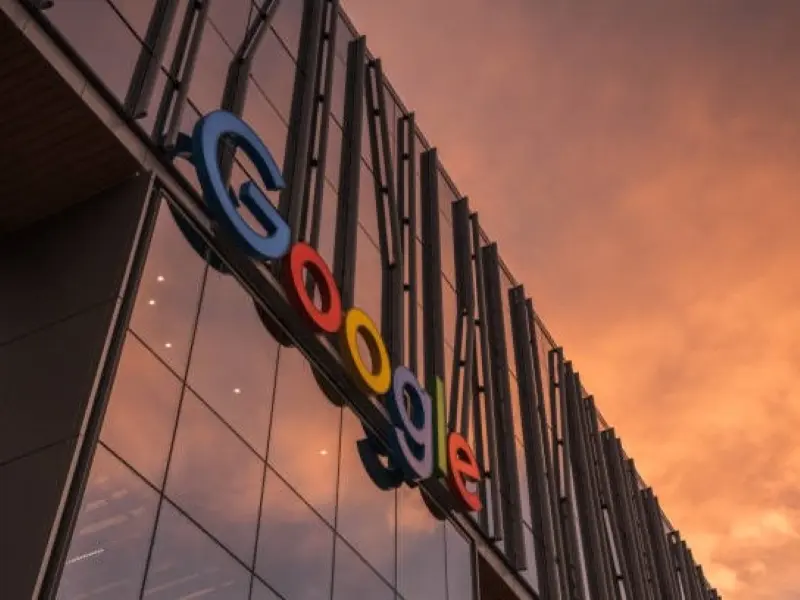
- Google begins construction of a Fiji cable station to enhance Pacific digital connectivity
- The project supports regional growth, disaster resilience, and internet reliability
What happened: Google lays the groundwork for Pacific connectivity
Google announced on November 30 that it will break ground on a new cable landing station in Fiji. The station will serve as a hub for an international undersea cable connecting the island nation to the wider Pacific Ocean. The facility will be based in Natadola on Fiji’s main island of Viti Levu. The site will house infrastructure to support subsea cables like Tabua and Bulikula, connecting the island nation to countries in North and South America, as well as Australia and Japan.
Shaheen Ali, secretary of trade, co-operatives, and communications in Fiji said in a LinkedIn post: “This is more than just an infrastructure project. It’s a defining step toward placing Fiji at the heart of the global digital ecosystem. Ali’s post claimed the project will create more than 3,600 jobs across various sectors by 2030, contributing an estimated US$250 million to Fiji’s GDP. Now, the island will be joined by the Bulikula cable, connecting Fiji and Guam; the South Pacific Connect Interlink cable, connecting Fiji and French Polynesia; and the Tabua cable, connecting Australia, Fiji, and the US. All three Google-owned cables will be ready for service by 2026. Details of the fourth Google cable are not known.
Also read: Google announces two new subsea cables for Indo-Pacific connectivity
Also read: Inligo launches ambitious Cable Landing Station in Darwin
What it’s important
The Fiji cable station is pivotal not only for regional development but also as part of a larger global shift towards reliable digital infrastructure. Submarine cables carry 99% of international data, underscoring their critical role in modern communication. For smaller companies, such infrastructure fosters innovation. For example, the Pacific-based startup Pacifitech Solutions specializes in telemedicine apps. Improved connectivity will allow them to expand services, particularly in remote areas, bridging healthcare gaps.
This investment also reflects broader trends, such as Meta’s expansion of undersea cables in Africa and India. Such projects help diversify global internet routes, reducing bottlenecks and ensuring stability in data transmission. These efforts are vital for mitigating disruptions like the 2022 Tonga undersea cable cut, which left the nation offline for weeks.
Taking a positive stance, Google’s project demonstrates its leadership in tackling the digital divide while providing smaller businesses and nations with the tools to thrive in an increasingly interconnected world.