

- Apple faced a challenging start in 2024 as iPhone sales plunged by 30% in China, according to a top Apple analyst.
- Analyst Ming-Chi Kuo predicts a gloomy outlook for Apple, stating that the tech giant won’t introduce new iPhone models with substantial changes until at least 2025.
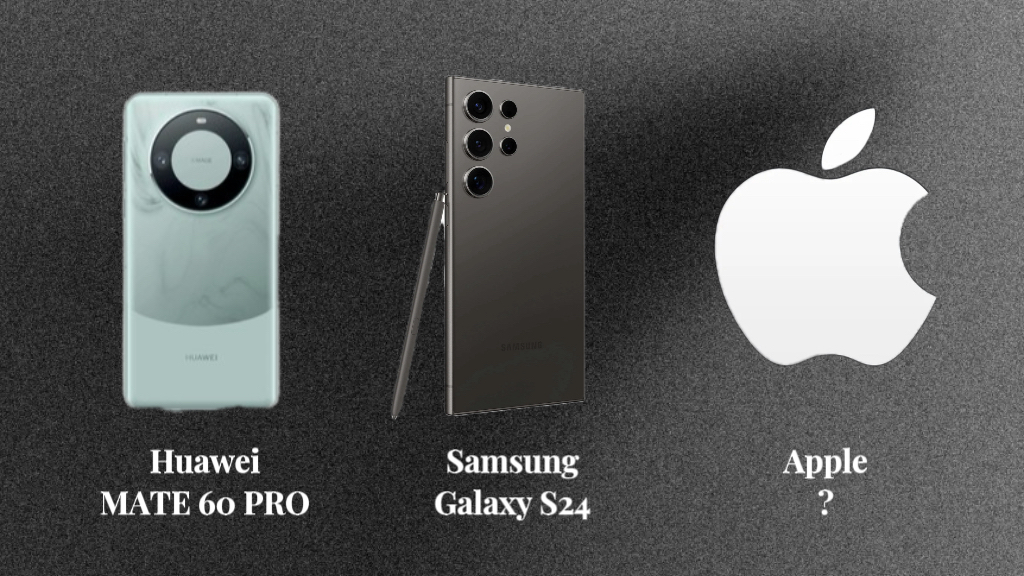
- Apple contends with heightened competition with Huawei and Samsung.
Apple has not had an auspicious start to 2024. The company’s market valuation dropped due to a 30% decline in iPhone sales in China. Despite securing the top spot in the international smartphone rankings in 2023, surpassing Samsung, a gloomy forecast for iPhone sales in 2024 was made by a prominent Apple International analyst.
IPhone sales plummet in China
Ming-Chi Kuo, a top Apple analyst, expressed his predictions in a blog post: “It is expected that Apple will not launch new iPhone models with significant design changes and a more comprehensive/differentiated GenAI ecosystem/applications until 2025 at the earliest. Until then, it will likely harm Apple’s iPhone shipment momentum and ecosystem growth.”
In his recent blog post detailing a supply chain survey, Kuo revealed that Apple, the top smartphone vendor in China for the first time last year, reduced shipments of “key upstream semiconductor components” to about 200 million units. This translated to a 15% year-over-year drop in iPhone shipments.
Kuo stated that Apple’s weekly shipments into China have decreased by 30% to 40% in the last several weeks compared to the same time last year, and this downward trend is expected to continue.
Despite rumors suggesting AI features in iOS 18, Kuo’s predictions indicate that Apple won’t fully adopt AI in the iPhone until the 2025 release of the iPhone 17 range. Additionally, Kuo anticipates that the iPhone will face challenging years ahead.
Also read: Apple beats Samsung, claims top spot in global smartphone sales
Also read: Apple offers iPhone 15 discount in China as smartphone competition increases
Fiercer competition
The “growing preference for foldable phones among high-end users as their first choice” in the Chinese market, together with Huawei’s resurgence as a top smartphone manufacturer, are the main factors contributing to the iPhone’s possible downfall, according to Kuo.
Kuo stated that Samsung will profit from the higher-than-expected demand brought on by the integration of GenAI functionalities. He emphasized that whereas Apple revised down, Samsung revised up the Galaxy S24 series shipments in 2024 by 5%–10%.
Apple is expected to release its quarterly report on Thursday. It is anticipated by analysts that revenue would increase by just 0.6% to $117.91 billion from the previous year.